

White noise is often promoted as a simple solution for better sleep, focus, or relaxation. But like any tool, it also comes with limitations. Understanding its downsides is important for both users and product developers.
White noise can cause auditory fatigue, interfere with sleep cycles, create dependence, and deliver poor results if the sound quality is not carefully engineered.
While white noise has many applications, especially in noisy environments, its drawbacks are often overlooked. These issues can arise from improper use, poor device quality, or misunderstanding of how the sound interacts with the brain and body over time.
Can White Noise Affect Hearing or Cause Fatigue?
Exposure to continuous sound, especially at high volume, can overstimulate the auditory system. This leads to fatigue and sometimes even reduced hearing sensitivity over time.
White noise may cause hearing strain or discomfort when used at unsafe volume levels or for excessive durations.
Common Symptoms of Auditory Overload
| Symptom | Description |
|---|---|
| Ear fatigue | A dull, tired sensation after long sound exposure |
| Reduced sensitivity | Difficulty detecting subtle sounds after white noise use |
| Irritation or restlessness | Sound becomes distracting instead of soothing |
Safe usage depends on maintaining low volume (under 50 dB), using machines with consistent output, and avoiding devices that produce electrical hum or unstable frequency shifts.
Does White Noise Disrupt Natural Sleep Patterns?
While white noise can help with falling asleep, it may interfere with deeper sleep stages if used continuously, especially at high intensity or without variation.
Research suggests that prolonged exposure to artificial sound can interfere with REM and deep sleep, especially if sound quality is poor.
Disruption Patterns
| Sleep Stage | Potential Interference |
|---|---|
| REM sleep | May be shortened due to sensory engagement |
| Deep sleep (N3) | White noise may reduce amplitude of slow brain waves |
| Natural awakenings | Can become dependent on noise presence |
Sleep quality is not only about falling asleep fast — it is about the depth and continuity of rest. Continuous noise, particularly with high-frequency content, may limit full restorative cycles.
Is Dependence on White Noise a Problem?
Relying on white noise every night can result in psychological dependence. This can make it difficult to sleep in new environments without access to the device.
Users who rely on white noise may find it difficult to sleep in silence or when traveling without access to the same sound.
This is especially common in:
- Children who associate sleep only with specific sounds
- Adults who use white noise nightly for years without breaks
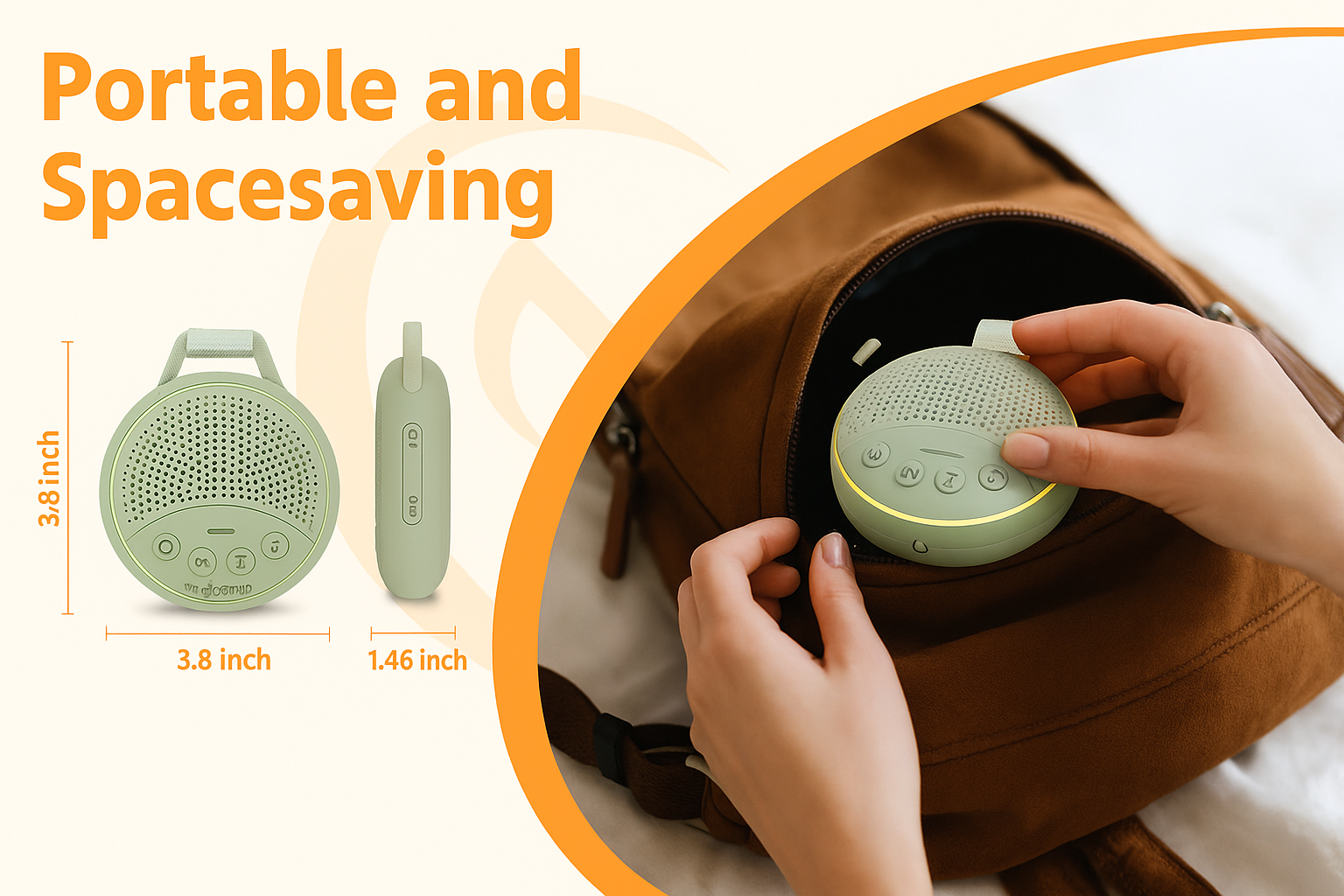
- Travelers without portable alternatives
Devices with built-in timers or fade-out functions can reduce this risk by limiting exposure and promoting gradual independence from external aids.
Can Low-Quality Devices Introduce More Problems Than Solutions?
Substandard white noise machines often generate poor sound quality. This includes distorted audio, buzzing, uneven frequency output, or even electromagnetic interference from poorly shielded circuits.
Low-quality machines can increase stress, disrupt sleep, and fail to provide effective sound masking.
Technical Shortcomings
| Problem | Cause |
|---|---|
| Harsh sound | Poor frequency balance or bad speaker components |
| Electrical interference | Inadequate circuit shielding |
| Volume instability | Unstable power delivery or poor software control |
| Sound loop fatigue | Repetitive short loops causing mental irritation |
Manufacturers must use calibrated sound generation, proper housing design, and noise testing chambers to ensure audio fidelity. High-volume production without testing increases the risk of customer dissatisfaction and product returns.
Are There Better Alternatives to White Noise in Some Cases?
Not all environments or users benefit equally from white noise. In certain scenarios, other sound types or methods may deliver better results with fewer risks.
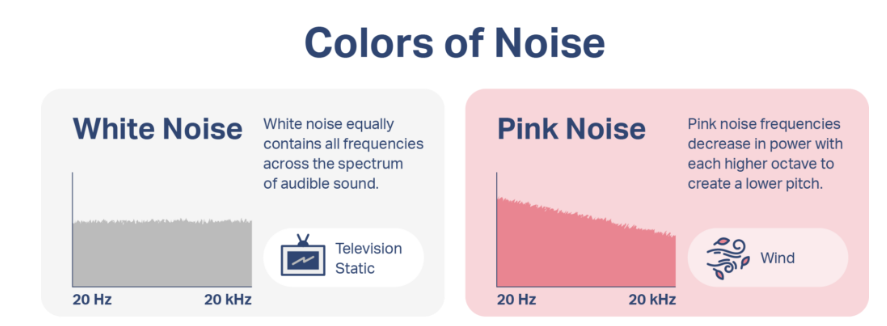
Alternatives like pink noise, brown noise, or natural soundscapes can offer more relaxing or acoustically balanced experiences.
Comparison of Noise Types
| Noise Type | Characteristics | Best For |
|---|---|---|
| White Noise | Equal power across all frequencies | General masking |
| Pink Noise | Softer high frequencies, balanced sound | Sleep, relaxation |
| Brown Noise | Emphasizes low frequencies | Deep relaxation, adult users |
| Nature Sounds | Includes variation (waves, rain, etc.) | Stress relief, ambient background |
Devices that allow users to switch between noise types or adjust frequency response are more versatile and user-friendly.
Conclusion
White noise offers useful benefits, but also carries clear disadvantages. Risks include auditory fatigue, disruption of natural sleep cycles, device dependence, and poor experiences with low-quality machines. Proper design, manufacturing, and usage practices are essential to reduce these drawbacks. When engineered with care and used wisely, white noise machines remain effective tools — but they are not universally suitable or risk-free.