

Anxiety often brings a racing mind and heightened sensitivity to sound. Many turn to white noise for relief—but can sound alone ease anxious thoughts?
White noise can reduce anxiety symptoms by masking overstimulating sounds, promoting relaxation, improving sleep, and helping regulate the nervous system.
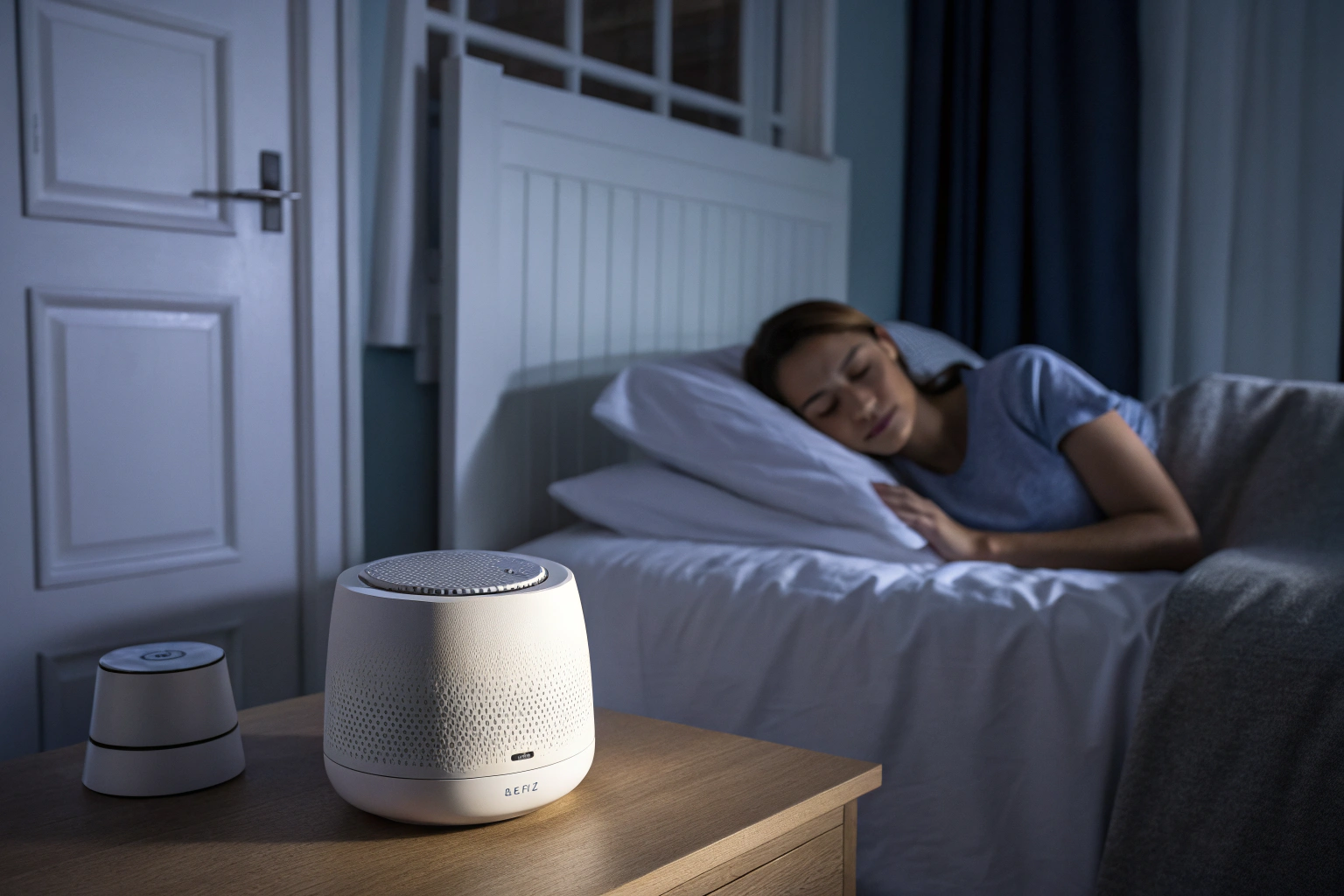
White noise doesn’t treat anxiety directly, but it creates a predictable sound environment that helps the brain disengage from chaotic stimuli. This steady input supports a calmer mental state and helps reduce the triggers that heighten anxious responses.
What Is the Link Between Anxiety and Sound Sensitivity?
Anxiety is often accompanied by sensory hypersensitivity. Loud or unpredictable sounds can trigger a stress response. This makes control over auditory input important for managing anxious states.
Consistent background noise helps reduce the brain’s reaction to external audio cues, limiting sensory overload.
Typical Reactions to Sound in Anxiety
| Triggering Sound | Result in Anxious Individuals |
|---|---|
| Sudden loud noise | Startle reflex, spike in cortisol |
| Random background chatter | Racing thoughts, distraction |
| Silence in high-alert state | Heightens internal tension and vigilance |
| Inconsistent environmental noise | Sustained nervous system activation |
White noise covers these stimuli with a uniform sound layer, reducing reactivity and calming the auditory system.
How Can White Noise Help Calm the Nervous System?
The autonomic nervous system controls the stress response. White noise influences the parasympathetic branch—responsible for rest and recovery—by creating a consistent, low-stimulus environment.
Steady sound encourages relaxation by helping the brain transition out of fight-or-flight mode into rest-and-digest mode.
Effects on the Nervous System
| Nervous System Function | Influence of White Noise |
|---|---|
| Sympathetic (stress mode) | Reduced activation |
| Parasympathetic (calm mode) | Increased dominance |
| Heart rate | Tends to decrease over time |
| Breathing rate | Becomes more regular and slower |
Low-frequency sound profiles like pink or brown noise are especially effective in calming heightened physiological responses.
What Types of White Noise Are Best for Anxiety Relief?
Different frequencies have different psychological effects. Harsh, static-heavy white noise may irritate rather than soothe. Softer, deeper profiles are better suited for anxiety management.
Pink noise and brown noise offer a more natural, calming sound structure that supports relaxation and mental focus.
Sound Type Comparison
| Sound Type | Description | Use for Anxiety |
|---|---|---|
| White Noise | Equal energy across frequencies | May feel sharp or overwhelming |
| Pink Noise | Reduced high frequencies, balanced tone | Calming and gentle on the ears |
| Brown Noise | Emphasis on low frequencies | Deep, warm, grounding sound |
High-quality machines allow users to select the right sound profile based on sensitivity and response. In manufacturing, this is achieved through digital noise chip design and speaker tuning.
How Factory Design Impacts Anxiety-Focused Devices?

Sound quality matters when addressing mental health. Poor design can produce hiss, hum, or spikes that worsen anxiety symptoms. Production accuracy ensures sound is consistent, clean, and stable.
Machines engineered for anxiety relief use fine-tuned acoustic components and are tested for long-duration consistency.
Key Manufacturing Considerations
| Factory Feature | Benefit for Anxiety Relief Users |
|---|---|
| Acoustic chamber testing | Ensures smooth, non-irritating audio output |
| Speaker cone materials | Produces soft, clean frequencies |
| Stable power circuitry | Avoids frequency drift and electrical noise |
| Profile customization | Allows tailored tone matching for comfort |
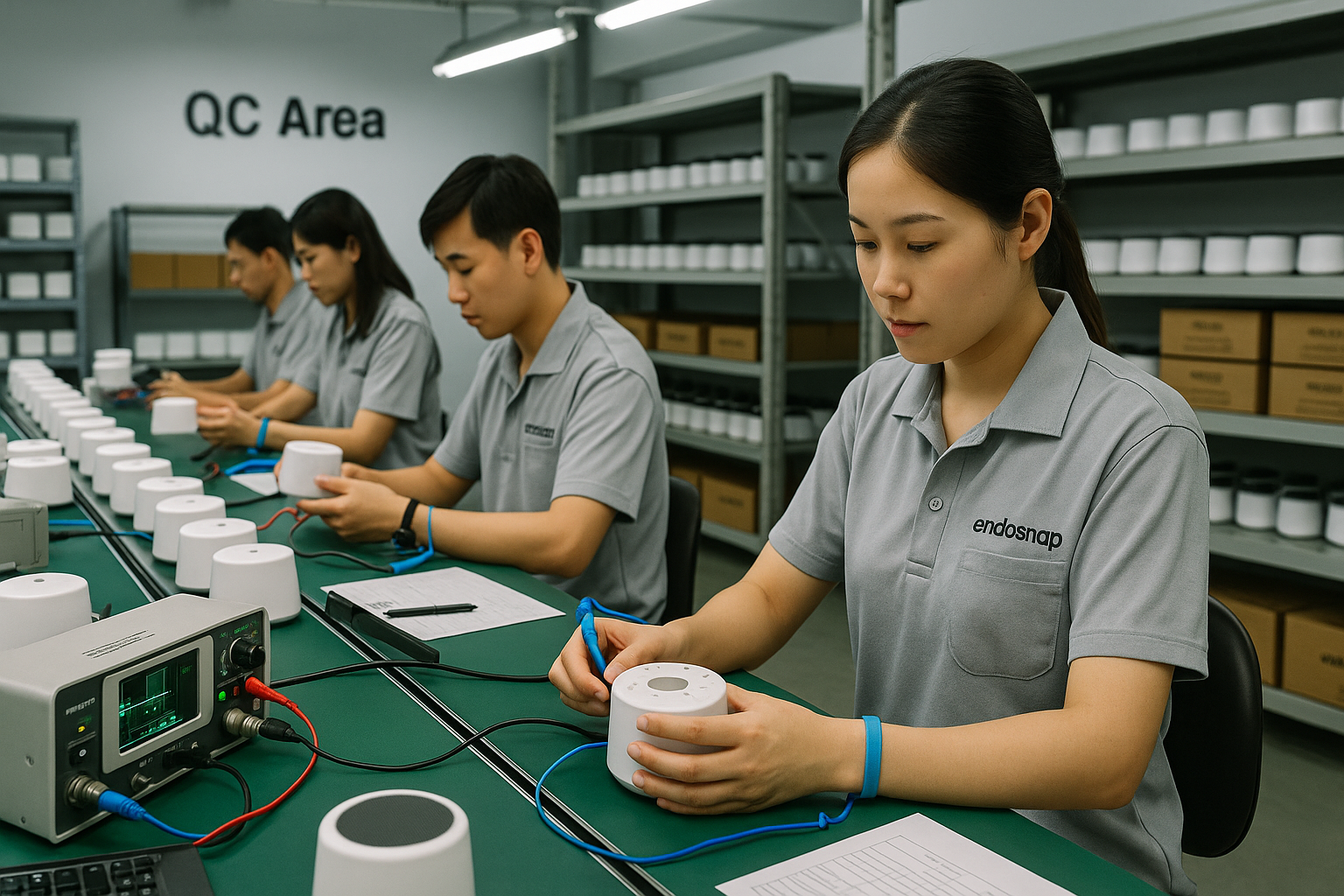
Our production process includes sound pressure testing, sleep-lab simulation, and full-machine aging tests to confirm every unit maintains a therapeutic effect across extended use.
When Should White Noise Be Used to Manage Anxiety?
White noise is most effective when integrated into daily routines, helping create predictable auditory environments that counteract overstimulation.
Best results come when white noise is used during sleep, relaxation, meditation, or work requiring calm focus.
Suggested Use Scenarios
- During nighttime for uninterrupted sleep
- Before sleep to settle thoughts and breathing
- In workspaces with distracting background noise
- During meditation or breathing exercises
- While reading or focusing in silence-prone environments
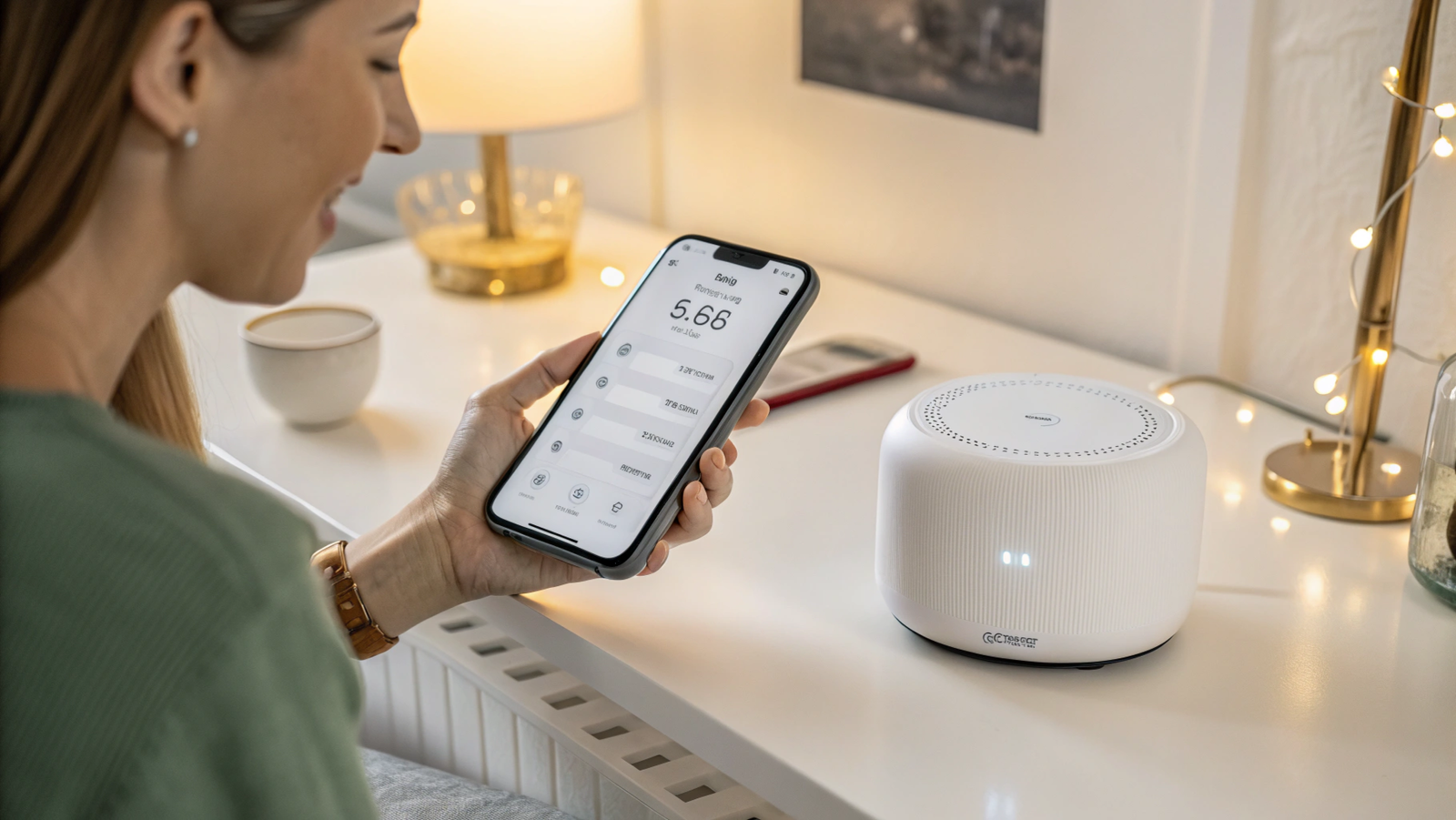
Smart noise machines with timers, fade-in/fade-out features, and mobile control provide greater flexibility to match personal anxiety rhythms.
Conclusion
White noise can ease anxiety symptoms by reducing sensory overload, supporting nervous system regulation, and encouraging mental relaxation. It is a non-invasive tool that helps calm the brain, especially when paired with structured routines.
As a dedicated sound machine manufacturer, all products are developed through calibrated testing, acoustic tuning, and long-duration output control. Each device supports customized sound profiles, smart features, and visual design. Factory tours are welcome, and solutions can be tailored for private label, retail, or regional market requirements.