

White noise is widely used for sleep, focus, and relaxation. But can it be played safely and effectively throughout the entire day without negative effects?
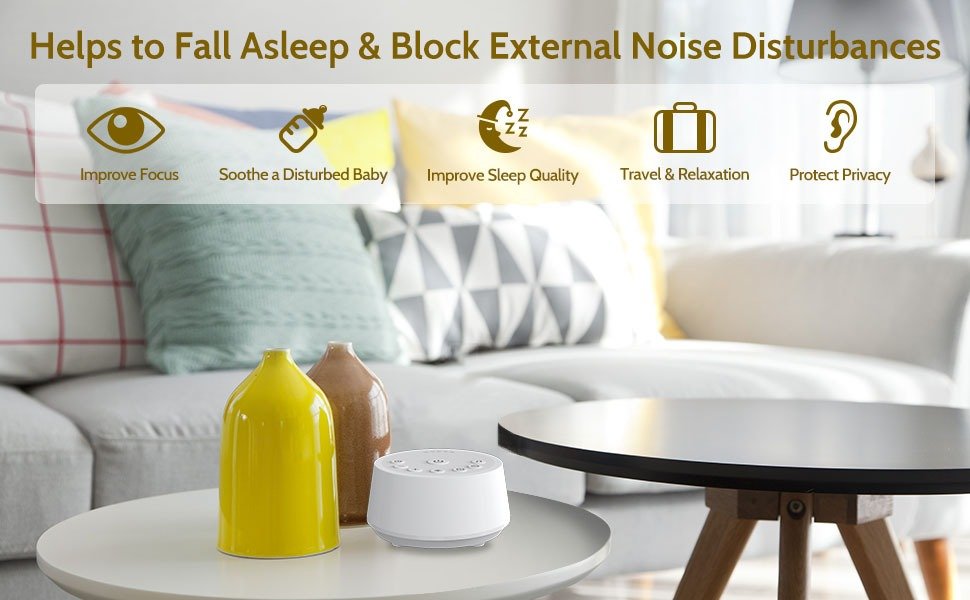
Listening to white noise all day is generally safe at low volumes, but sound type, quality, and duration must be managed to avoid auditory fatigue or overstimulation.
While continuous sound may help concentration or mask distractions, prolonged exposure to certain frequencies or poor-quality audio can stress the hearing system. Understanding how the brain responds to long-term sound input—and how proper device design matters—is key to safe use.
Is It Safe to Listen to White Noise All Day?
Safety depends on volume level, audio quality, and the listener's sensitivity. High-pitched static or fluctuating volume can strain hearing and increase mental fatigue.
Experts recommend limiting volume to below 50 dB and taking regular sound breaks during prolonged use.
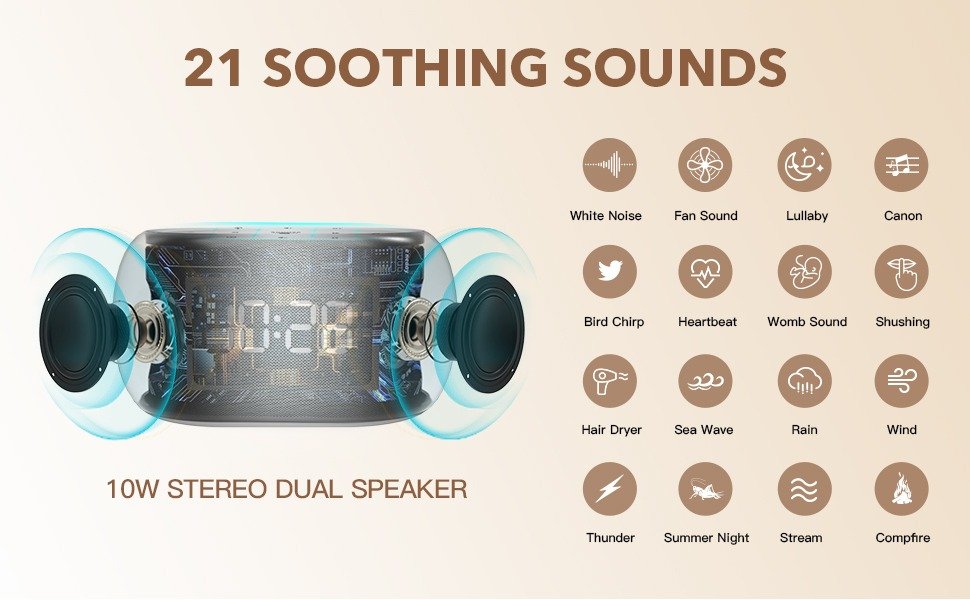
Safe Listening Parameters
| Factor | Recommended Value |
|---|---|
| Volume | Under 50 dB (measured at ear level) |
| Duration | Use in cycles (e.g. 1–2 hours with short breaks) |
| Frequency profile | Use pink or brown noise for softer tone |
| Environment | Avoid close proximity to speaker |
Continuous listening is possible with proper noise type and controlled output.
What Are the Benefits of All-Day White Noise?
White noise can provide more than just sleep support. Many use it in the daytime to improve work efficiency, reduce distraction, or create a stable acoustic background.
White noise during the day can increase focus, mask disruptive environments, and reduce stress in open or shared spaces.
Common Daytime Use Cases
| Situation | Benefit of Continuous Noise |
|---|---|
| Open office | Masks nearby conversation and movement |
| Studying or reading | Reduces distraction, supports deep focus |
| Home with background noise | Provides acoustic privacy |
| Mental stress periods | Creates calm, stable auditory environment |
Machines with loop-free output and non-fatiguing frequencies are best suited for long daily use.
What Type of Noise Is Best for Prolonged Listening?
Not all noise colors are equally comfortable. White noise may be too sharp for extended exposure. Softer tones are better tolerated over time.
Pink noise and brown noise are preferred for all-day listening due to their warm, low-frequency profile and minimal auditory fatigue.
Noise Type Comparison
| Sound Type | Characteristics | Suitability for Long-Term Use |
|---|---|---|
| White Noise | Flat frequency, can sound sharp | Limited duration, best for masking |
| Pink Noise | Softer highs, balanced low end | Recommended for day use |
| Brown Noise | Deep bass, very low frequencies | Good for background comfort |
Devices should allow easy switching between profiles depending on user comfort. This requires precise DSP programming during manufacturing.
How Manufacturing Quality Affects All-Day Listening Comfort?
For extended use, machine quality becomes critical. Flaws like frequency spikes, unstable output, or electric noise can lead to discomfort or hearing stress.
Well-manufactured machines provide smooth, stable audio output for long periods without causing listener fatigue.
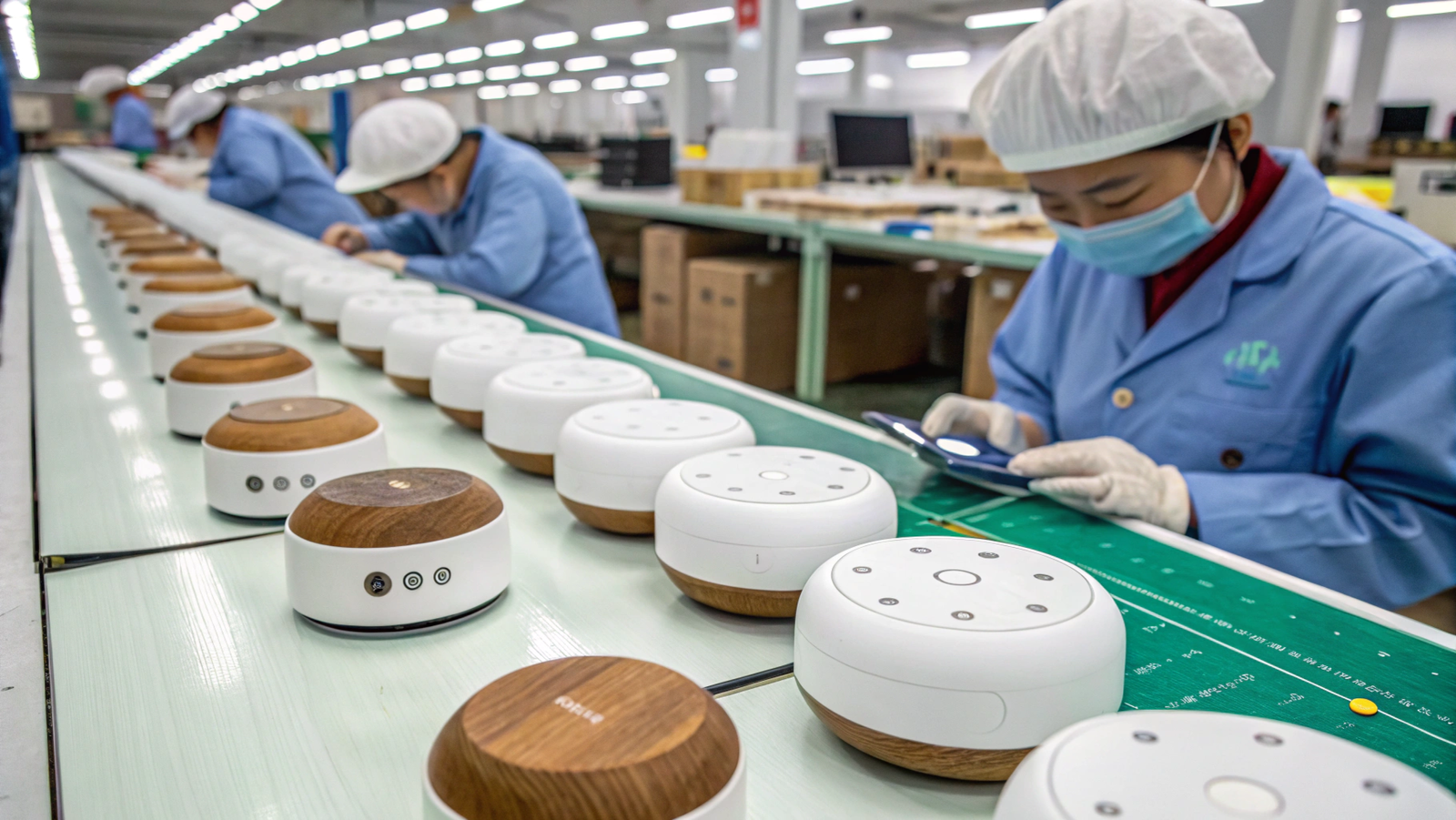
Key Design Features in Manufacturing
| Component/Process | Role in Prolonged Listening |
|---|---|
| Sound chip calibration | Maintains accurate, balanced audio |
| Heat resistance testing | Ensures consistent output under long use |
| Circuit insulation | Prevents buzzing or electrical interference |
| Acoustic lab verification | Confirms smooth waveform across frequencies |
Our factory follows ISO quality protocols and uses full-duration simulation to confirm long-term sound stability for each unit before packaging.
Conclusion
White noise can be played safely throughout the day if the sound profile is gentle and the machine is well-designed. Pink and brown noise are better suited for extended listening, especially when combined with breaks and volume control.
As a factory specializing in white noise device design and production, each machine is engineered for comfort and acoustic precision. Devices are tested for long-term performance in sound labs and are fully customizable in terms of frequency profiles, casing, packaging, and smart features. Visitors are welcome to tour our facility and explore OEM/ODM collaboration for home, office, and wellness applications.