

White noise is often used to soothe infants and help them sleep — but when should it be phased out? Is there an age where continued use becomes harmful?
White noise can be used safely through infancy and early childhood, but experts recommend gradually reducing reliance after 12–18 months to support natural sleep development.
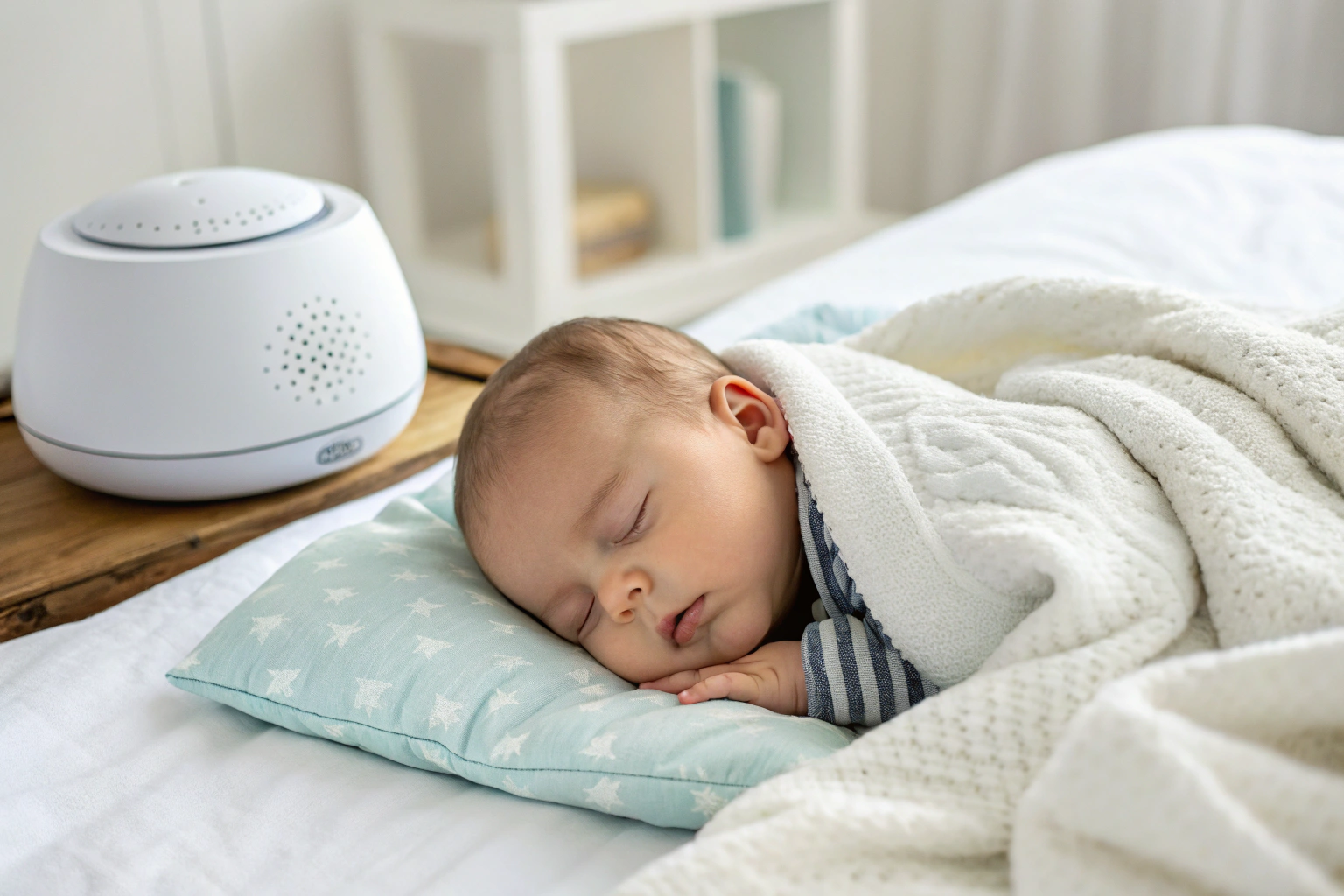
While white noise offers strong benefits early on, especially for newborns, long-term use may affect a child's ability to sleep independently or adapt to normal environments.
Why Is White Noise Useful for Babies?
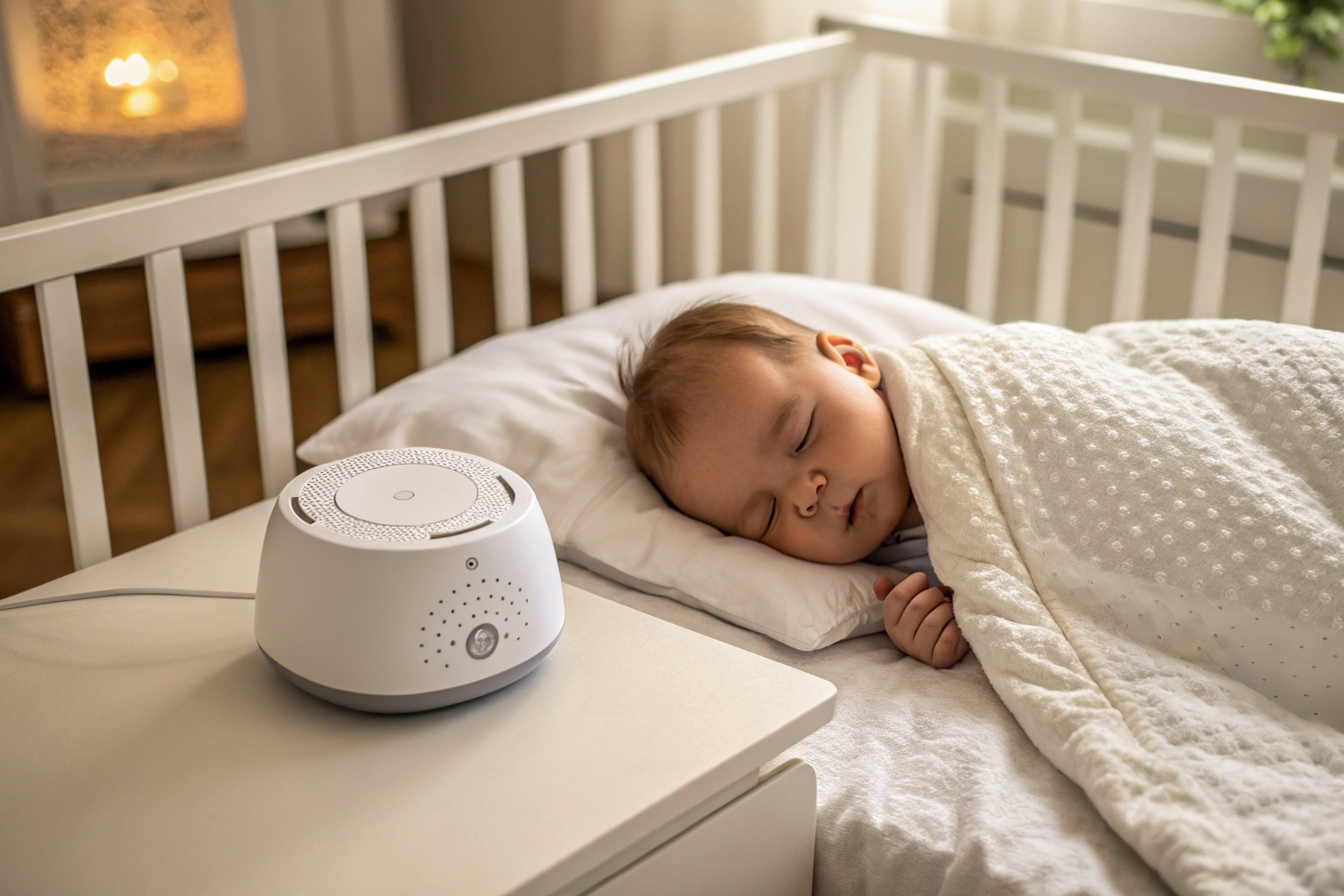
White noise mimics the sounds of the womb — consistent, muffled, and rhythmic. This helps newborns feel secure and calm.
It reduces crying, improves sleep duration, and masks environmental noise that can startle infants awake.
| Benefit for Babies | Description |
|---|---|
| Calming effect | Triggers soothing response, reducing fussiness |
| Sleep support | Helps infants fall asleep faster and stay asleep |
| Noise masking | Protects sleep from sudden household sounds |
White noise is most commonly used from birth through the first year.
When Does White Noise Use Become Less Necessary?
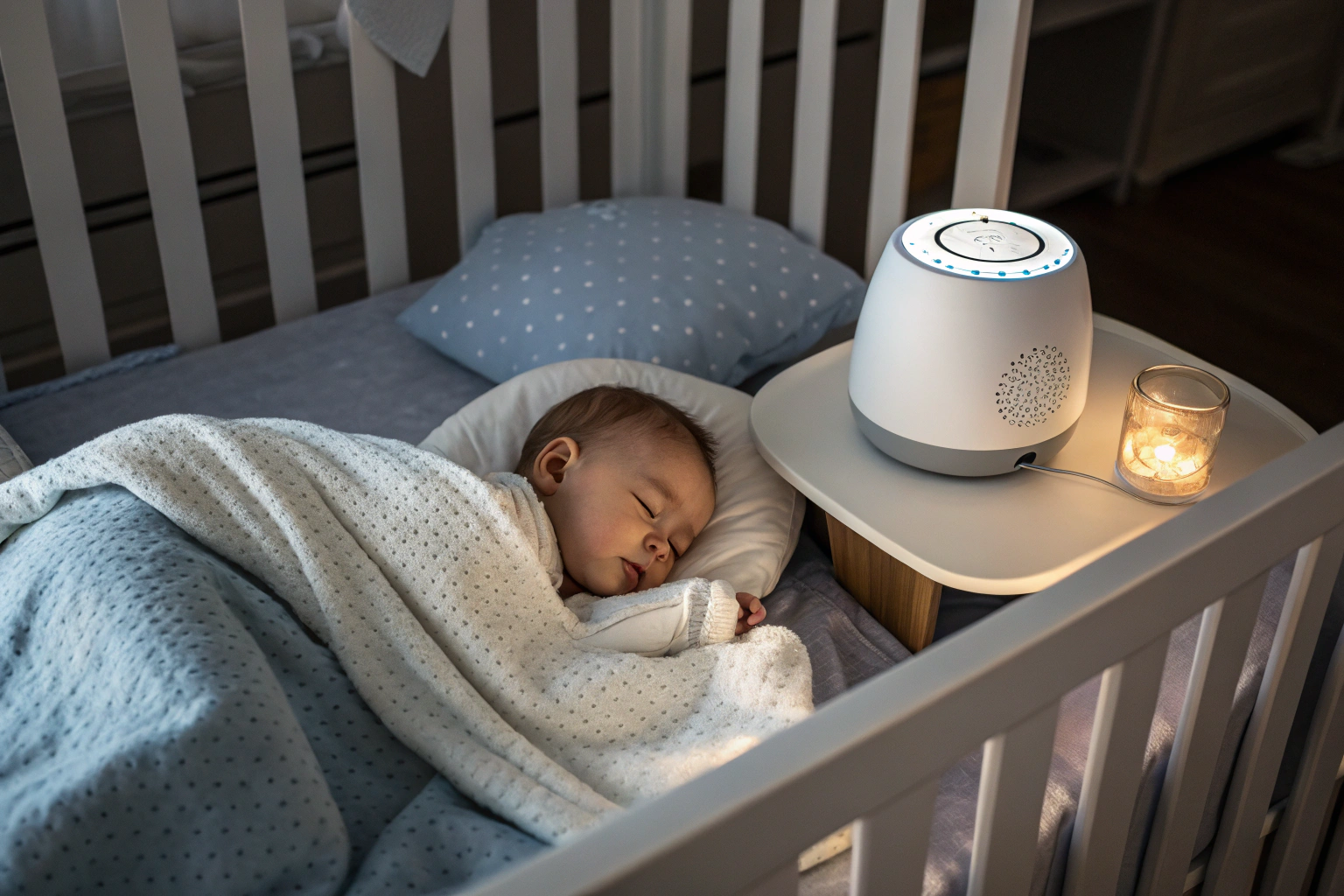
As children grow, their nervous system matures and becomes better at handling silent or changing environments.
By 12–18 months, toddlers may no longer need white noise, and parents can start phasing it out gradually.
| Age Range | Recommended Action |
|---|---|
| 0–6 months | Use is highly beneficial and safe |
| 6–12 months | Continue use if needed, start lowering volume |
| 12–18 months | Begin weaning off by reducing usage duration |
| 18+ months | Encourage sleep in quiet settings or with soft ambient |
Monitoring the child’s sleep response helps guide the timing of this transition.
Can Long-Term White Noise Use Cause Problems?
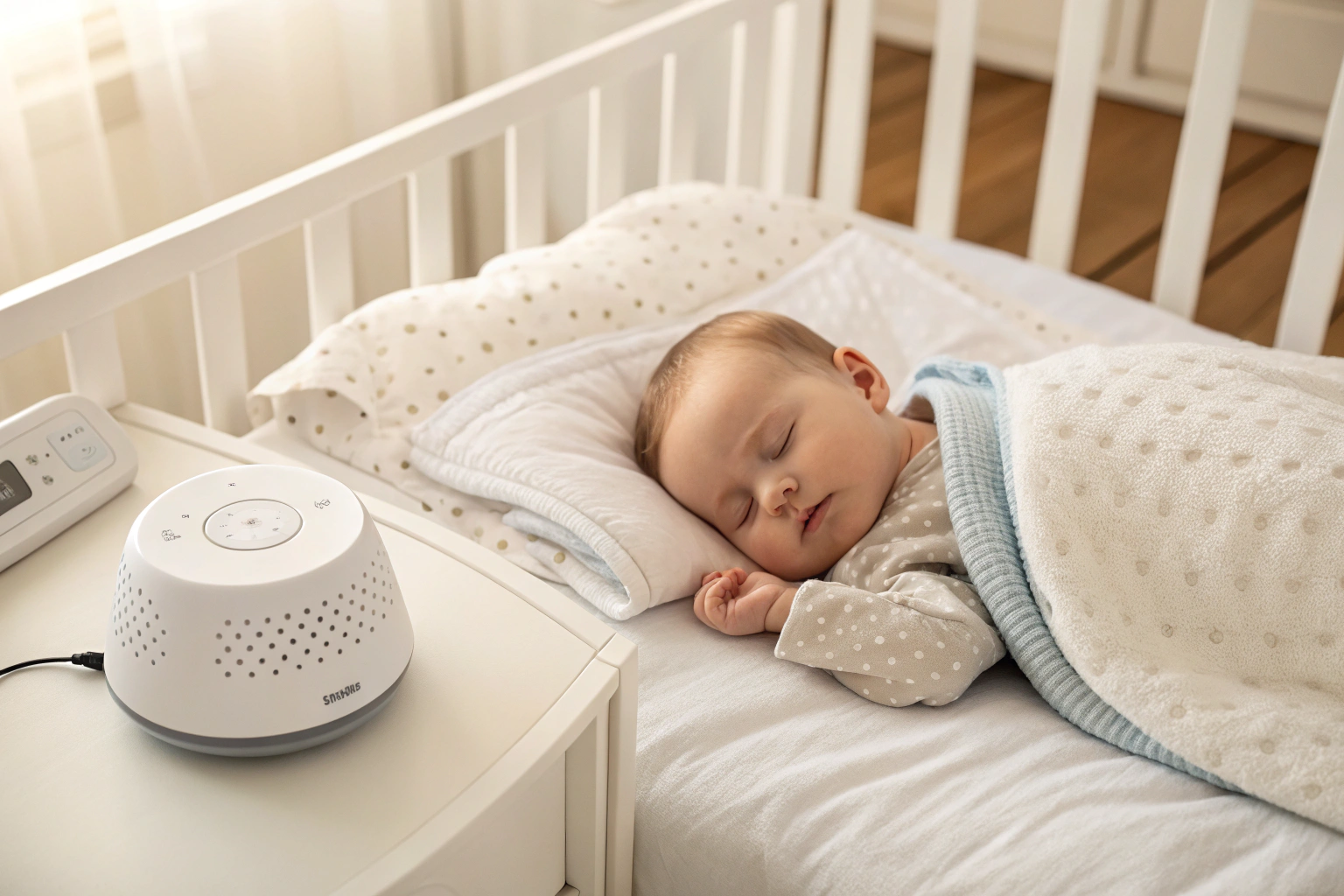
While not inherently dangerous, prolonged white noise dependence can limit a child's ability to fall asleep without it.
Excessive volume or overuse may also lead to mild hearing stress or delayed adjustment to natural sound environments.
| Risk | Explanation |
|---|---|
| Sound dependency | May make quiet sleep difficult in travel or daycare |
| Hearing strain | Can occur if volume is too high or device is too close |
| Reduced adaptability | May take longer to adjust to silence |
Following pediatrician volume guidelines (under 50 dB) minimizes these risks.
How to Wean a Child Off White Noise?
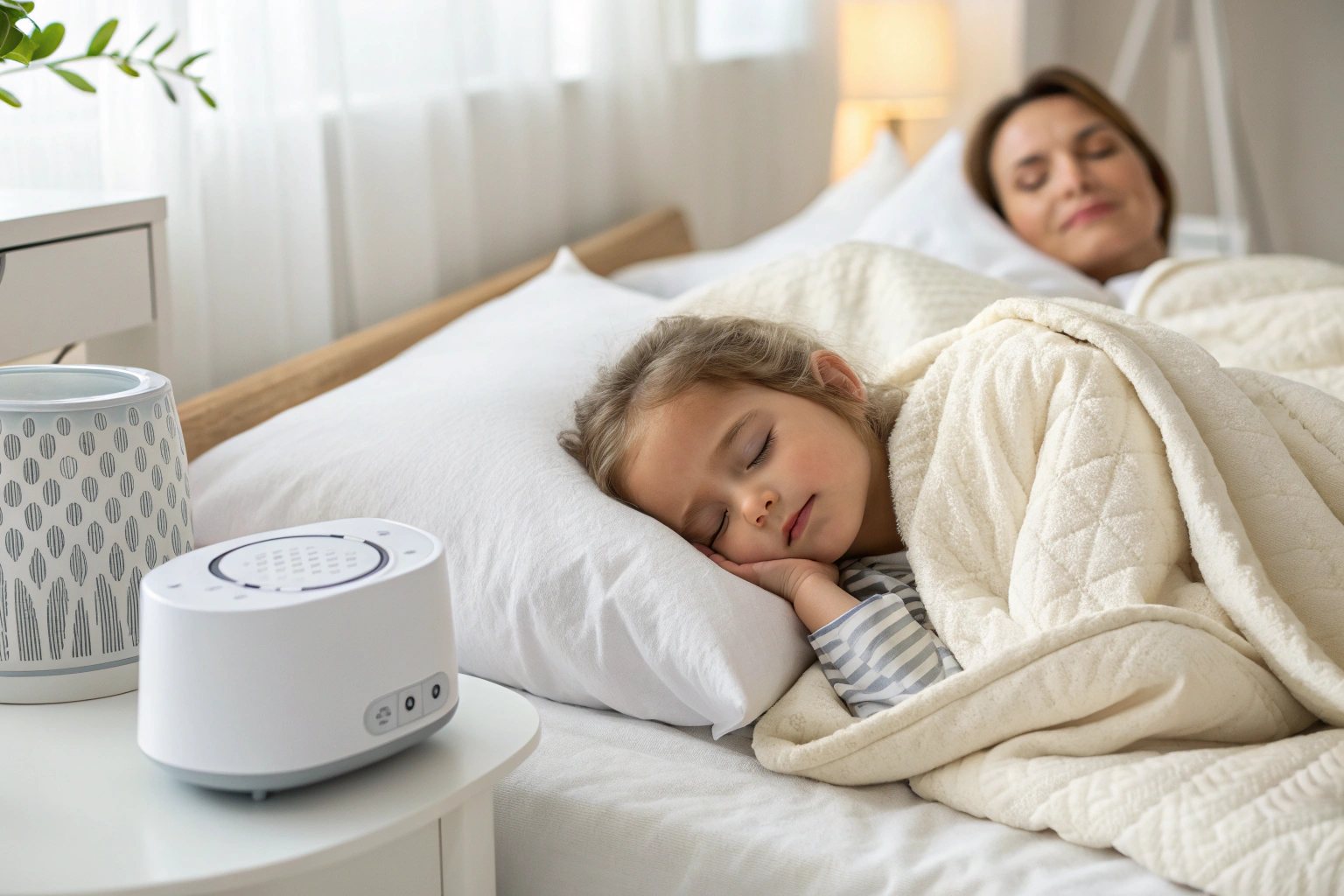
Transitioning away from white noise should be gentle and consistent to avoid disrupting sleep patterns.
Use a gradual reduction method — shorten playback time, lower the volume, or switch to softer sound types like pink noise.
| Weaning Strategy | Method Description |
|---|---|
| Volume tapering | Lower sound slightly each night over 1–2 weeks |
| Timer usage | Use auto shut-off features to limit overnight use |
| Switch to soft tones | Replace white noise with nature sounds or pink noise |
| Reinforce sleep cues | Use bedtime routines like books or dim lights |
Consistency is key — sudden removal may cause more disruption than a slow adjustment.
Why Device Quality Is Crucial for Infants and Children
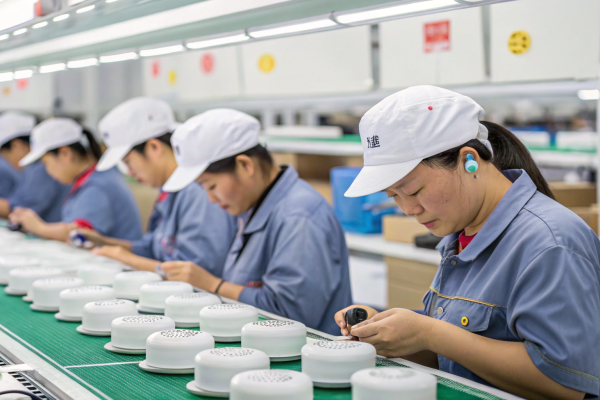
Children’s ears are more sensitive than adults'. Devices must provide clean, non-distorting sound at safe levels.
Well-manufactured machines offer smoother frequency output, stable volume, and no electrical hiss or static.
| Device Feature | Safety Benefit |
|---|---|
| Volume limiter | Prevents accidental loud output |
| Stable sound design | Ensures soft, uninterrupted noise playback |
| Certified components | Avoids low-grade electronics that may buzz or flicker |
| Lab-tested performance | Verifies safety for infant hearing over long durations |
We build all machines with child-safe standards and test them under pediatric acoustic conditions.
Conclusion
White noise is a powerful tool for newborns and infants, helping ease transitions, support deep sleep, and reduce environmental triggers. However, it should be gradually reduced after 12–18 months as children become more capable of independent sleep.
Our factory focuses on designing safe, quiet, and stable machines suitable for infants, toddlers, and caregivers. All products are tested for frequency balance, volume safety, and continuous reliability. We welcome visits to our production facility and offer custom solutions for sleep-support devices across age groups.