

White noise is more than background sound — it interacts with brain activity and influences how we think, feel, and rest. But what does science say about its effect?
White noise helps the brain by promoting focus, masking distractions, and supporting restful sleep, but excessive exposure or poor sound quality may overstimulate certain neural pathways.
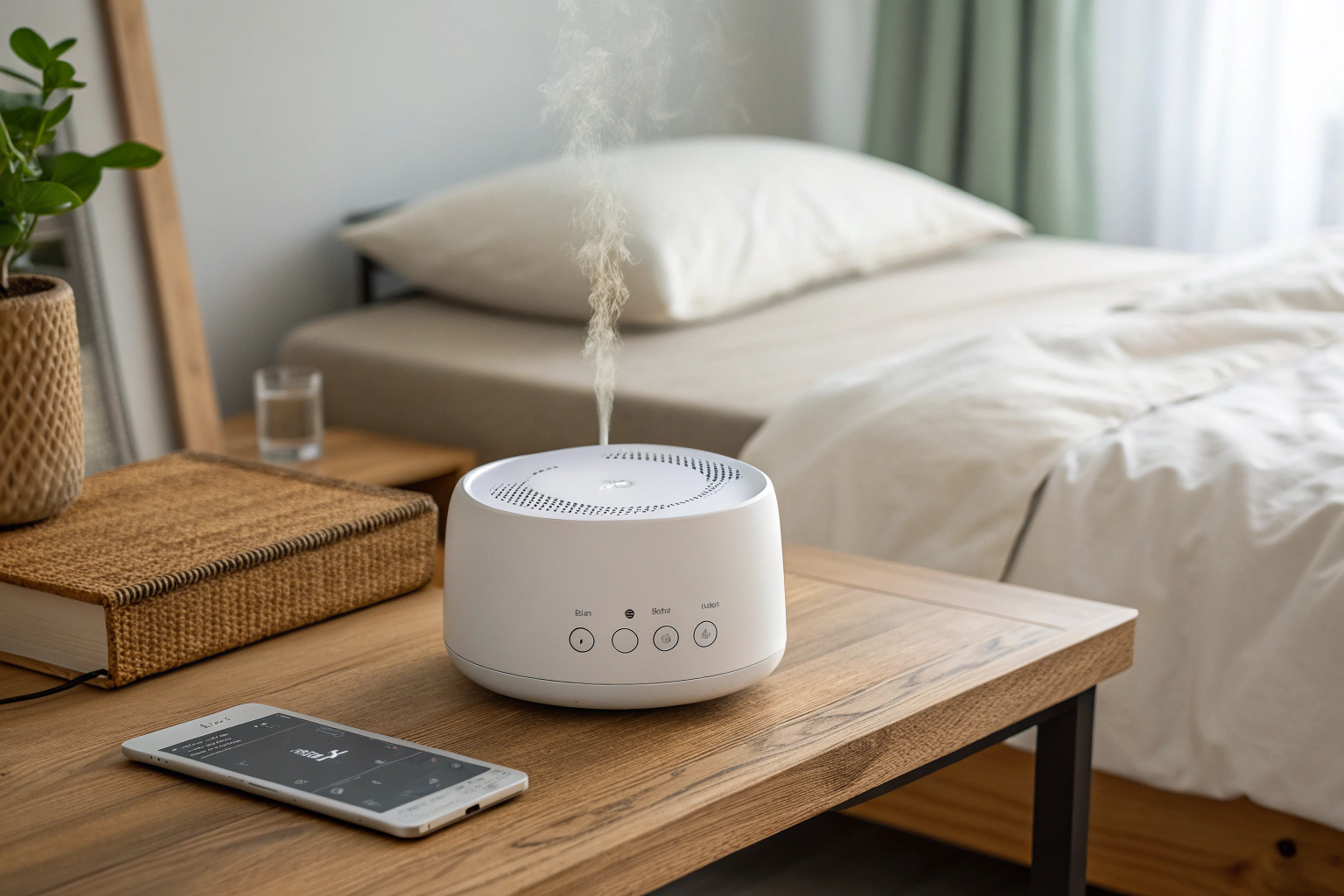
The brain responds to sound rhythm and consistency. White noise’s flat frequency spectrum creates a predictable auditory input, which can be calming or energizing, depending on use.
What Is the Brain’s Response to Constant Noise?
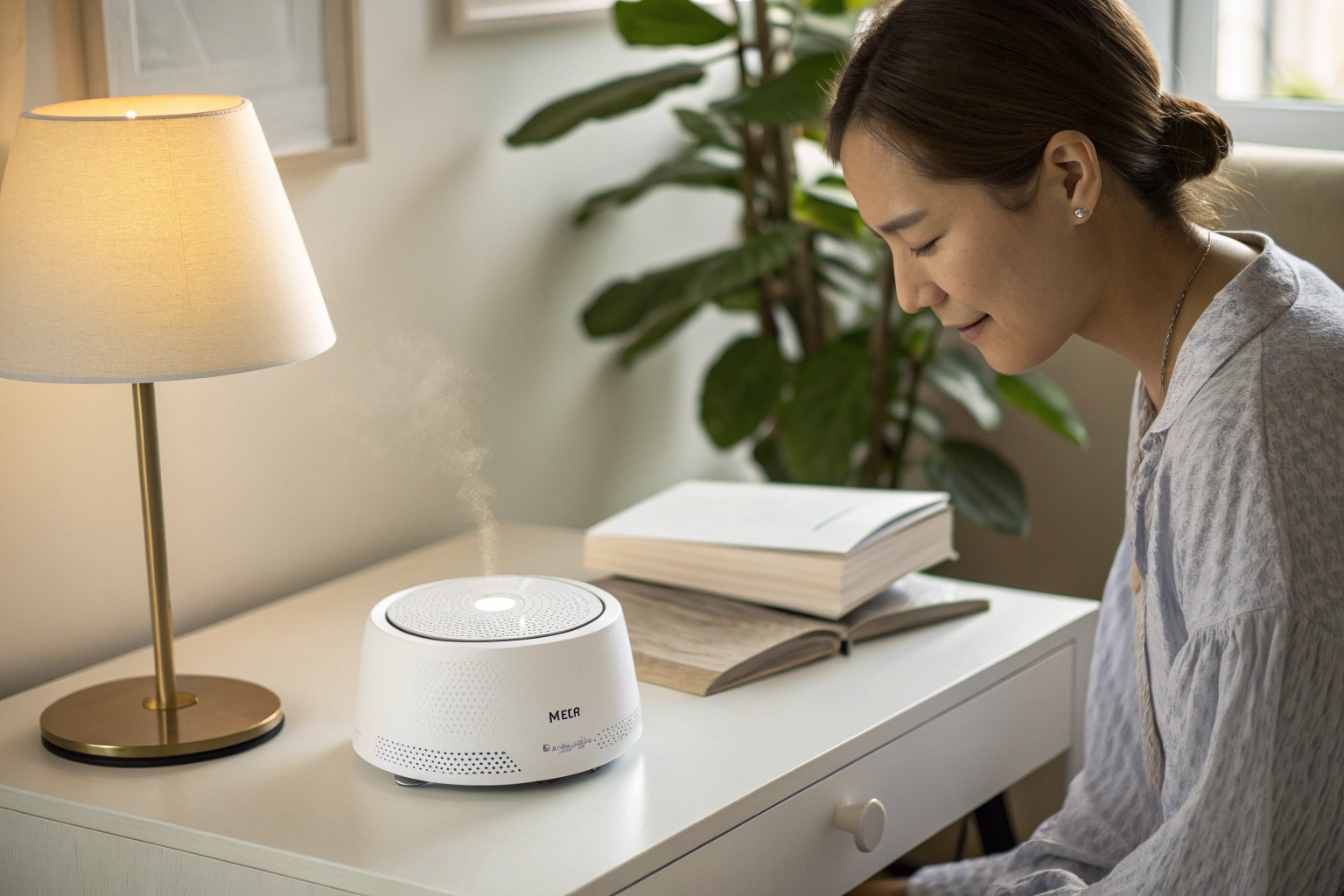
The brain constantly monitors the environment for changes. Irregular or sudden noise triggers alertness. White noise blocks this response.
White noise provides a steady sound field, helping the brain reduce unnecessary sensory scanning and maintain calm.
| Brain Function | Effect of White Noise |
|---|---|
| Sensory filtering | Reduces reactivity to external, irrelevant noise |
| Threat detection dampening | Lowers false alarms from minor sounds |
| Auditory rest | Allows ears and brain to 'relax' from high-alert mode |
This creates a more stable mental environment, especially in noisy or unpredictable settings.
Does White Noise Improve Focus and Learning?
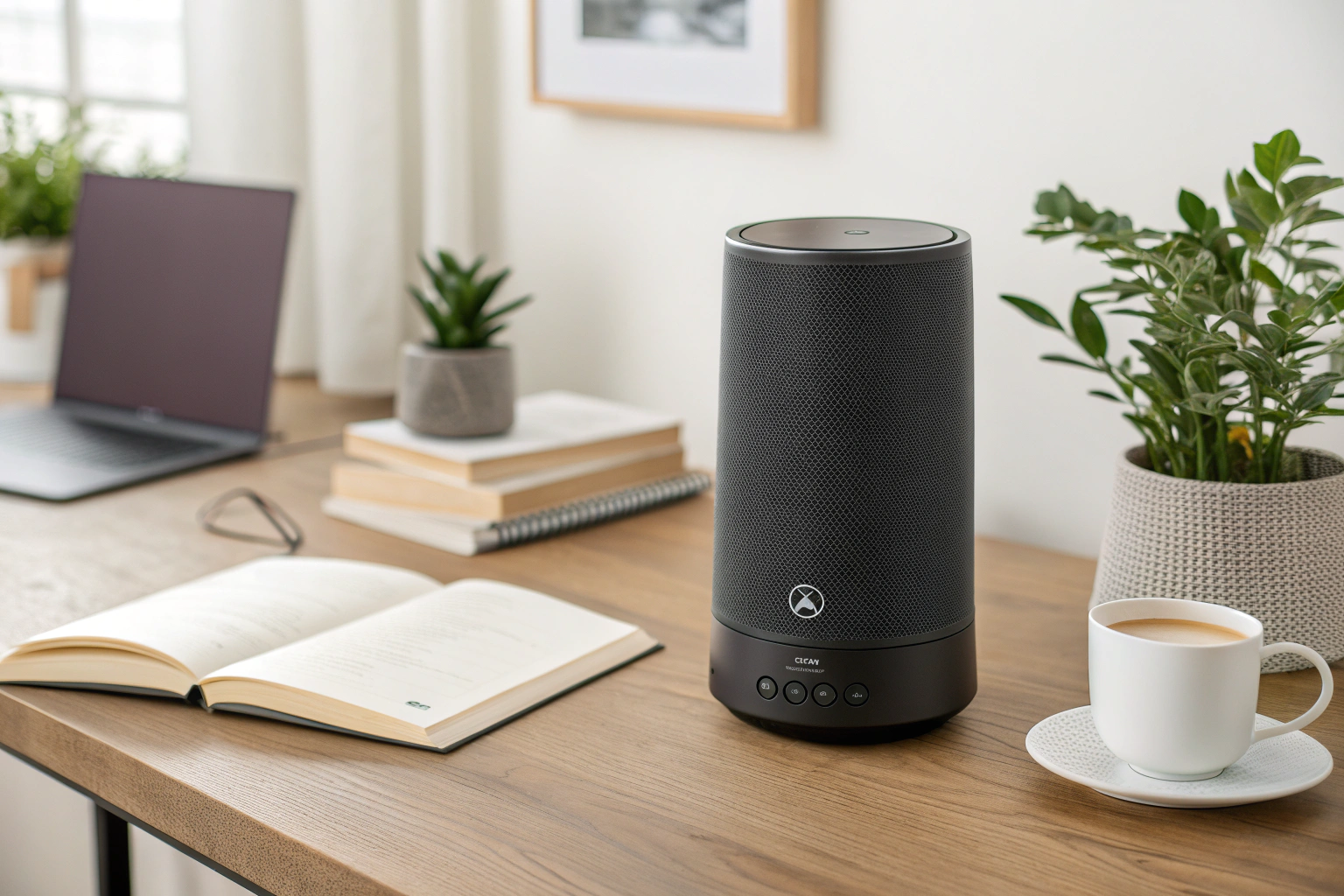
Yes — especially in environments with moderate distractions. White noise supports attention by smoothing out auditory interference.
It has been shown to improve performance in tasks requiring sustained focus, especially in individuals with ADHD or sensory sensitivity.
| Cognitive Process | Impact of White Noise |
|---|---|
| Attention span | Extended by reducing background interruptions |
| Working memory | Improved through environmental stability |
| Task switching | Easier due to reduced stress from noise variability |
However, the effect depends on volume, task type, and individual brain profiles.
How Does White Noise Support Sleep Brain Activity?
During sleep, the brain shifts through several stages. White noise helps stabilize these transitions by preventing external stimuli from triggering awakening.
It reduces micro-arousals — small, subconscious awakenings — and supports deep sleep continuity.
| Sleep Phase | Effect of White Noise |
|---|---|
| Light sleep (N1–N2) | Reduces disruption from household or street noise |
| Deep sleep (N3) | Supports longer, uninterrupted periods |
| REM sleep | Helps maintain rhythm when external sound varies |
These effects contribute to better cognitive recovery and emotional balance the next day.
Are There Any Neurological Risks?
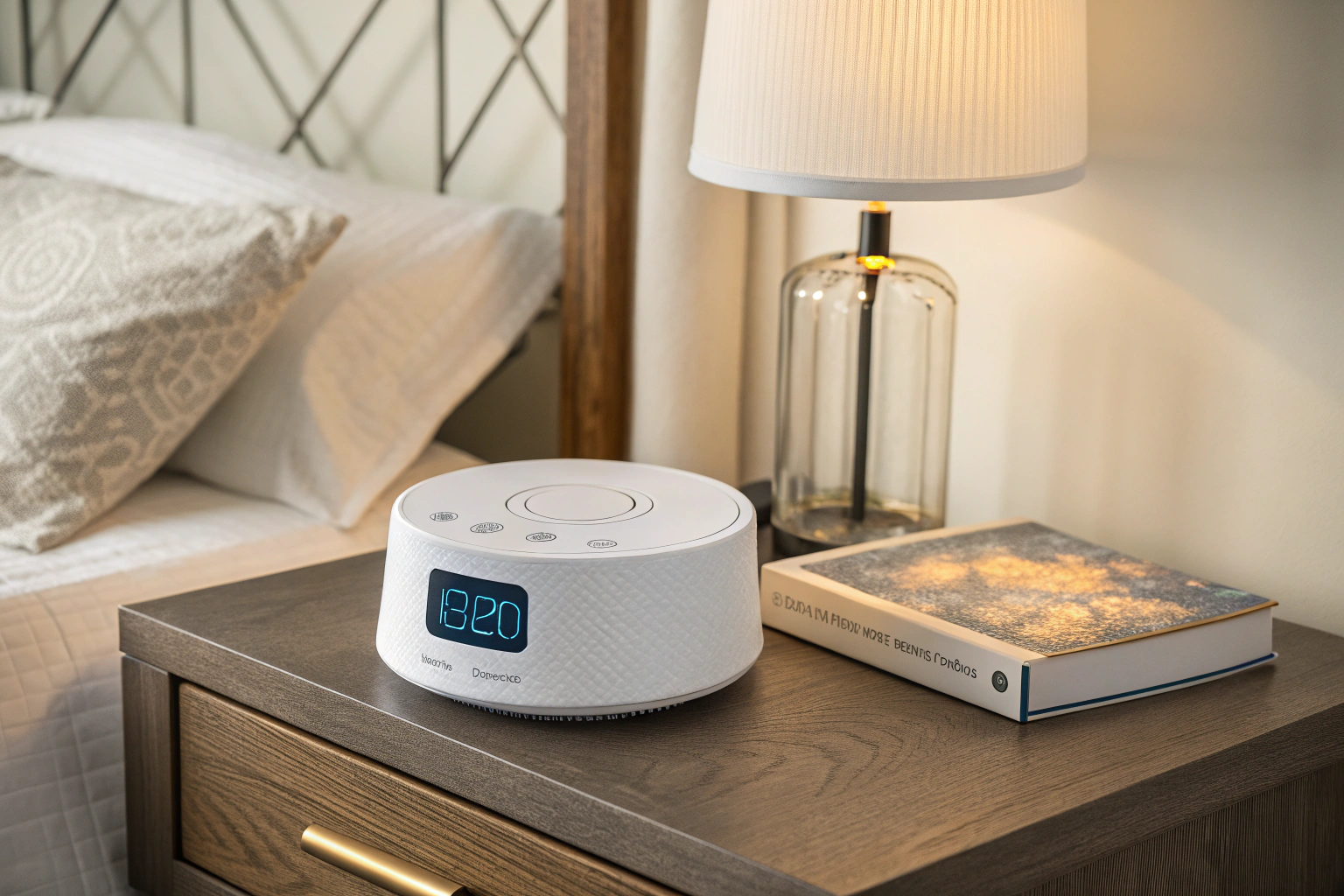
While beneficial, overuse or exposure to harsh white noise may cause issues like auditory fatigue or dependence on constant sound.
Too much volume or poorly designed machines can overstimulate the auditory cortex or interfere with normal sound sensitivity.
| Risk Factor | Neurological Concern |
|---|---|
| High-volume exposure | Potential auditory cortex overstimulation |
| Irregular sound output | May disrupt natural brainwave synchronization |
| Habitual reliance | Can hinder sleep in silence for some users |
The key is moderation, volume control, and using acoustically smooth, safe equipment.
Why Does Machine Quality Matter for Brain Safety?

The brain is sensitive to audio detail. Static, buzzing, or unbalanced frequencies may increase tension instead of promoting calm.
Machines must produce clean, continuous sound free from distortion, especially for overnight or workday use.
| Manufacturing Feature | Role in Brain Health |
|---|---|
| Calibrated frequency curve | Ensures even auditory stimulation |
| Anti-distortion circuits | Prevents irregular spikes that disturb brain response |
| Sleep lab testing | Verifies comfort across brainwave phases |
| Certified safe materials | Avoids chemical or EM interference |
All of these aspects are integrated into our factory production and verified under acoustic simulation protocols.
Conclusion
White noise affects the brain by improving focus, enhancing sleep stability, and supporting mental calm through consistent auditory input. When used at safe levels with proper equipment, it offers cognitive and emotional benefits.
We manufacture each unit with attention to sound balance, neural comfort, and long-duration stability. All products are tested for neurological safety, audio consistency, and long-term reliability. Our factory welcomes partners and clients to explore the design process and develop tailored solutions for home, office, and healthcare environments.