

Some people fall asleep faster in complete silence, while others rely on soft background sound. So which option actually supports better rest?
Sleeping with gentle, consistent noise can improve sleep quality by masking disruptions — but for some, silence remains ideal. The best choice depends on personal sensitivity and environment.
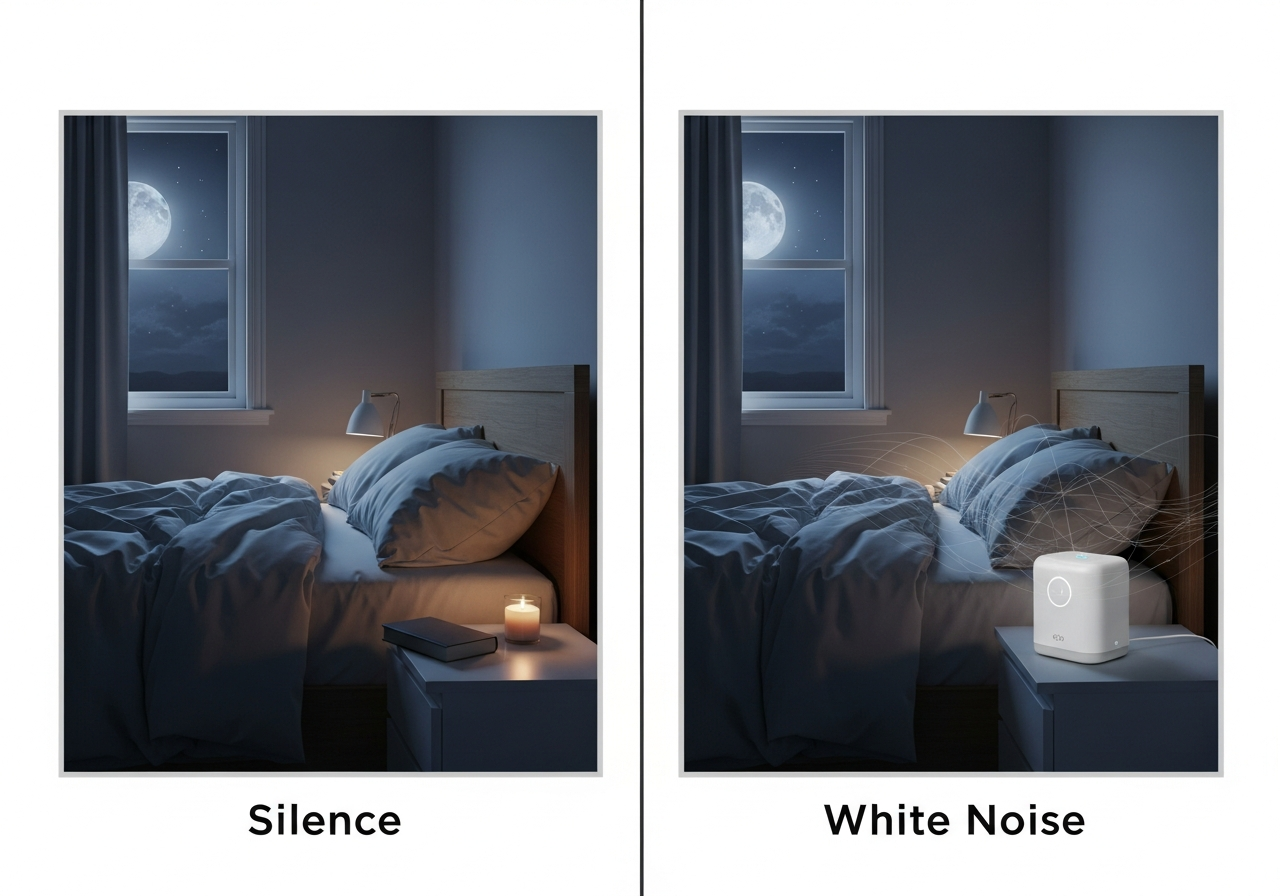
Both silence and white noise have benefits. The key is understanding how the brain responds to sound during sleep and how consistent environments promote rest.
What Happens When You Sleep in Silence?
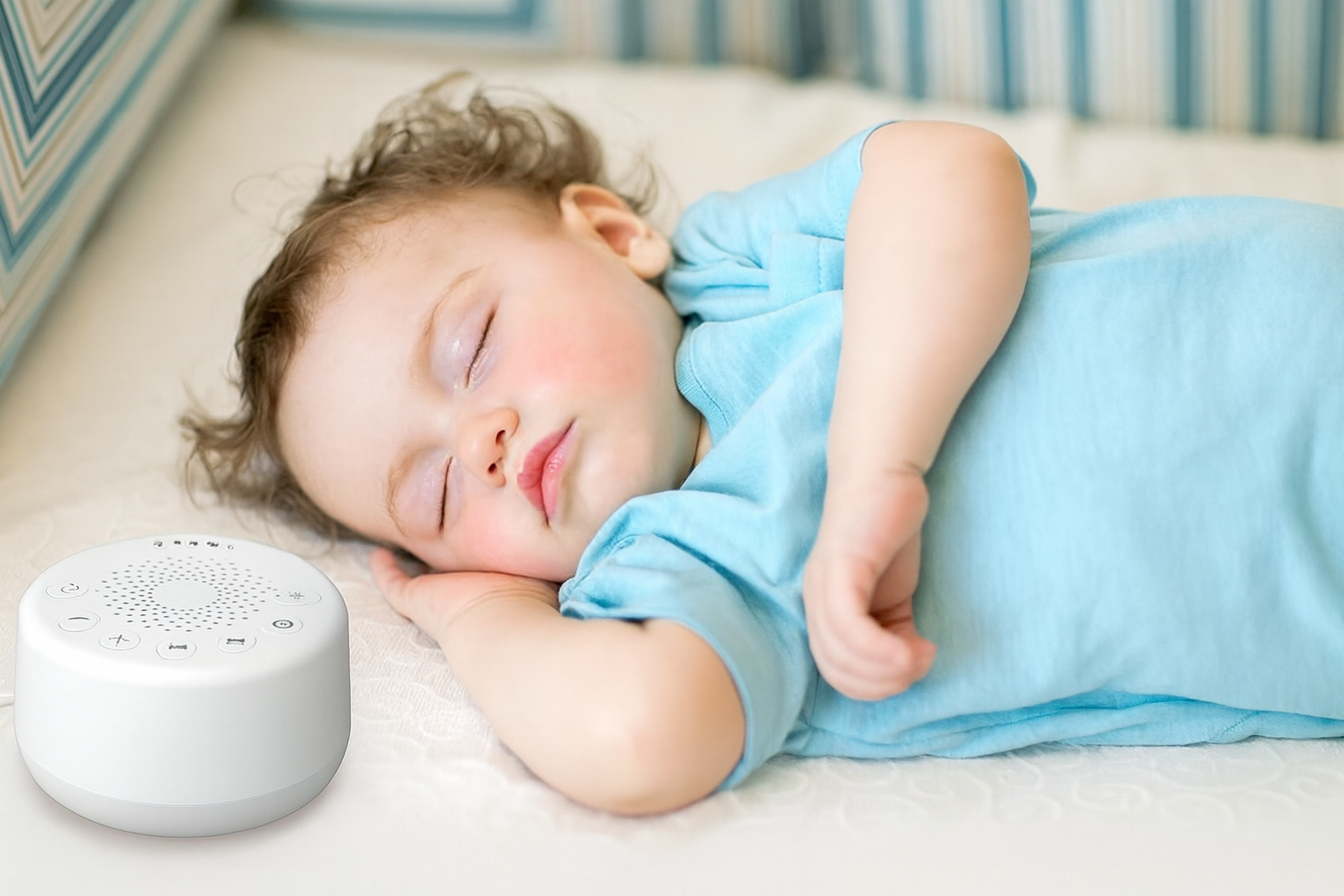
Silence can be deeply restful — but only if your environment stays quiet throughout the night.
Silent rooms may improve deep sleep, but unpredictable noises like traffic, pets, or house creaks can easily interrupt rest.
| Factor | Impact on Sleep |
|---|---|
| Total silence | Supports deep rest in quiet areas |
| Sudden noise in silence | More likely to trigger awakenings |
| Rural or isolated settings | Silence works well due to minimal background noise |
Silence is most beneficial where external disturbances are rare.
How Does White Noise Improve Sleep?
White noise masks changes in the sound environment. This helps maintain continuity even when the surroundings are not completely quiet.
By evening out sound fluctuations, white noise prevents sudden shifts from waking the brain.
| Benefit | Explanation |
|---|---|
| Noise masking | Covers snoring, traffic, and hallway sounds |
| Sleep cycle protection | Reduces micro-awakenings during transitions |
| Mental relaxation | Provides a predictable, calming atmosphere |
This makes it a reliable tool for people in urban areas or shared homes.
Which Is Better for Light Sleepers?
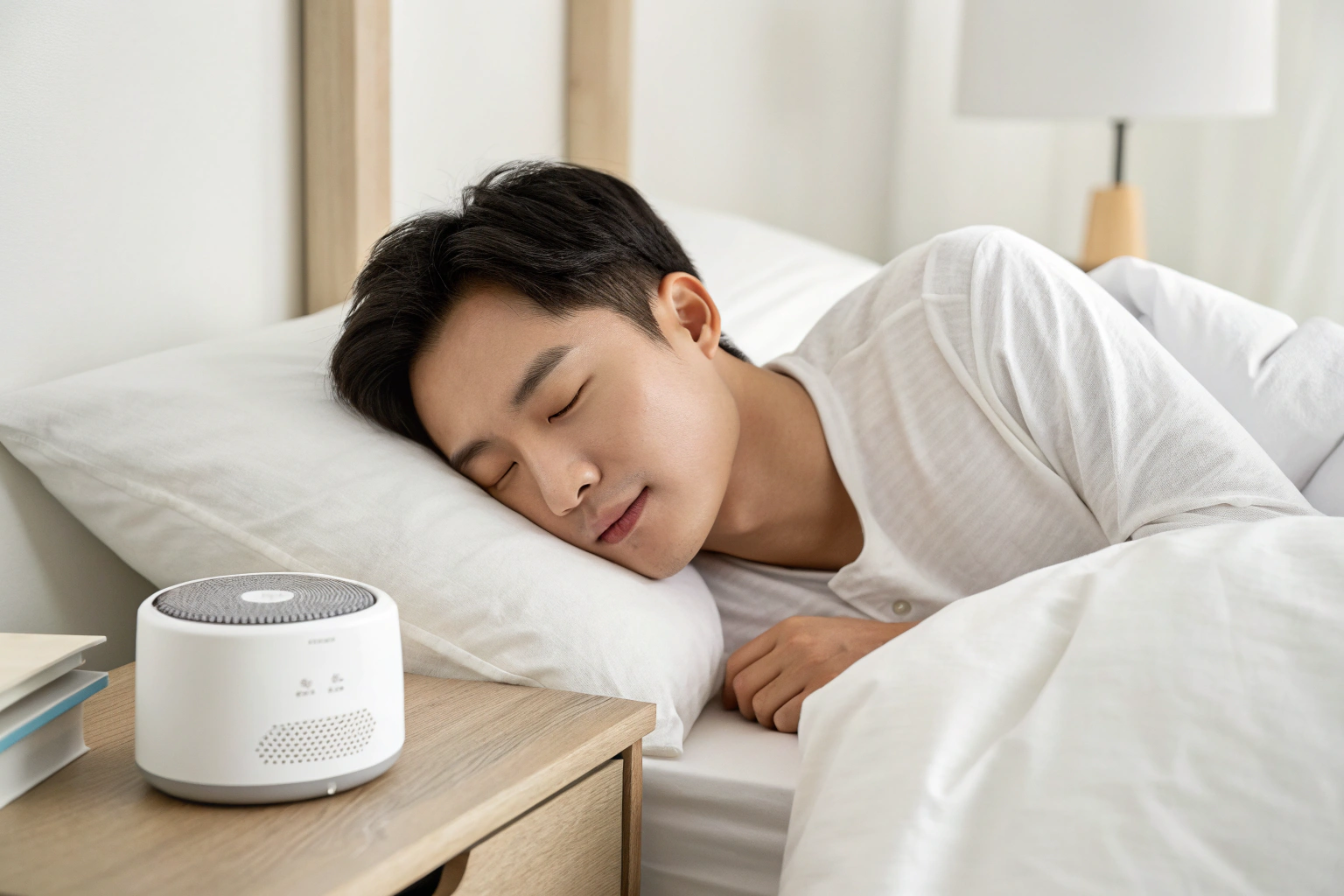
Light sleepers wake easily from even small sounds. For them, a consistent background like white noise may offer more stable sleep.
Soft noise works like a buffer, reducing sensitivity to external triggers.
| Sleep Condition | Recommended Sound Approach |
|---|---|
| Light, interrupted sleep | Use soft white or pink noise |
| Hyper-awareness | Try deeper tones like brown noise |
| Naturally deep sleeper | Silence may be more effective |
Trying both methods for a few nights often reveals the best fit.
Does Sound Type Affect Sleep Quality?
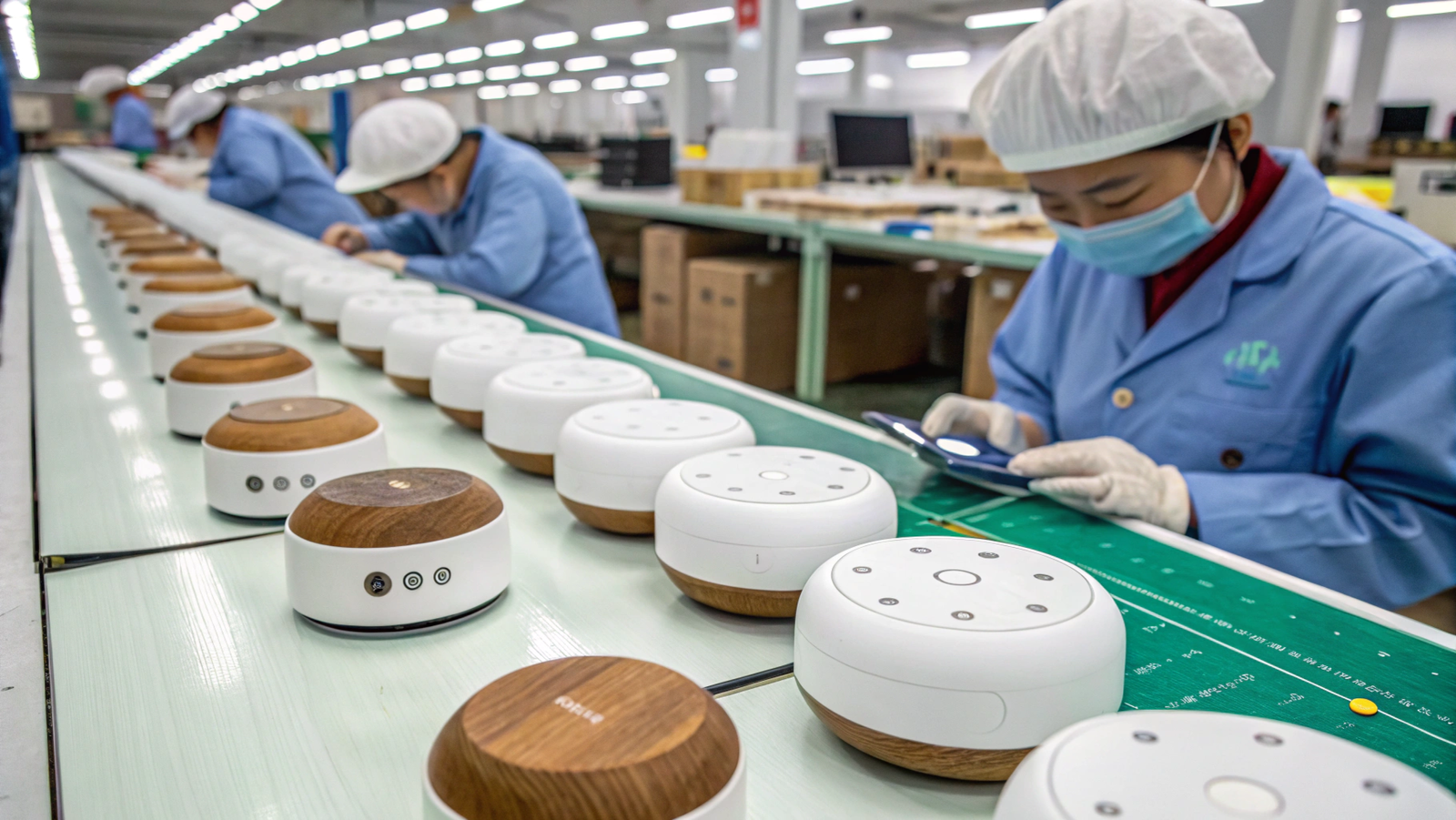
Yes — not all noise is helpful. Harsh, high-pitched, or irregular sounds can disturb rather than soothe.
Pink and brown noise offer a more natural, low-frequency sound compared to standard white noise.
| Sound Type | Tone Profile | Sleep Use Recommendation |
|---|---|---|
| White Noise | Even frequency, brighter | Good for masking but may feel sharp |
| Pink Noise | Softer highs, smoother balance | Ideal for relaxation and sleep |
| Brown Noise | Deep, warm, low-frequency sound | Best for sensitive ears and anxiety relief |
High-quality machines offer multiple profiles to suit different sleep needs.
Why Manufacturing Quality Matters for Sleep Environments
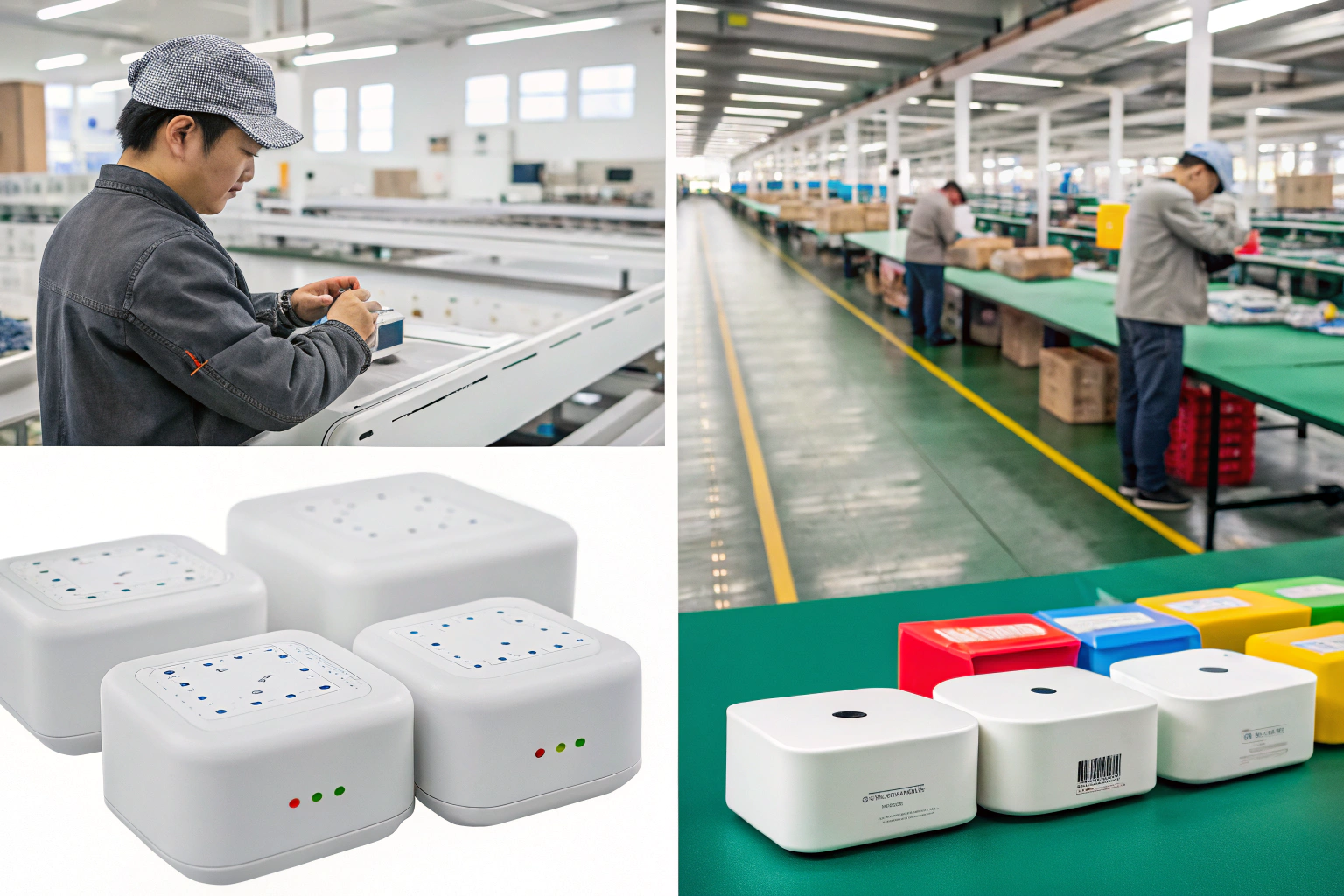
Sound quality plays a critical role in whether noise helps or harms. Poorly built machines may introduce static, flickering, or uneven tones.
Reliable white noise machines produce smooth, continuous audio that remains stable throughout the night.
| Build Feature | Effect on Sleep Sound |
|---|---|
| Calibrated output | Prevents harsh frequency spikes |
| Internal shielding | Reduces electrical buzzing or humming |
| Certified safety design | Ensures long-term performance during overnight use |
| Acoustic chamber testing | Verifies consistent sound delivery |
These design choices are implemented during manufacturing and tested under realistic conditions.
Conclusion
Whether silence or white noise is better depends on your environment and sleep habits. Silent rooms may work well in quiet areas, but white noise offers protection against sudden sound disruptions in more active settings.
As a specialized manufacturer of white noise machines, we focus on stable audio design, certified safety, and customizable sound profiles for every sleep style. Each device is tested for long-duration reliability and acoustic comfort. Clients are welcome to visit our factory, review equipment quality, and develop personalized sleep solutions for home, travel, or clinical environments.