

White noise is widely used to help people fall asleep faster and stay asleep longer. But is it safe to keep it on throughout the entire night?
Sleeping with white noise all night is generally safe when used at low volumes and with a high-quality device, but extended exposure should be managed carefully to avoid potential auditory fatigue.
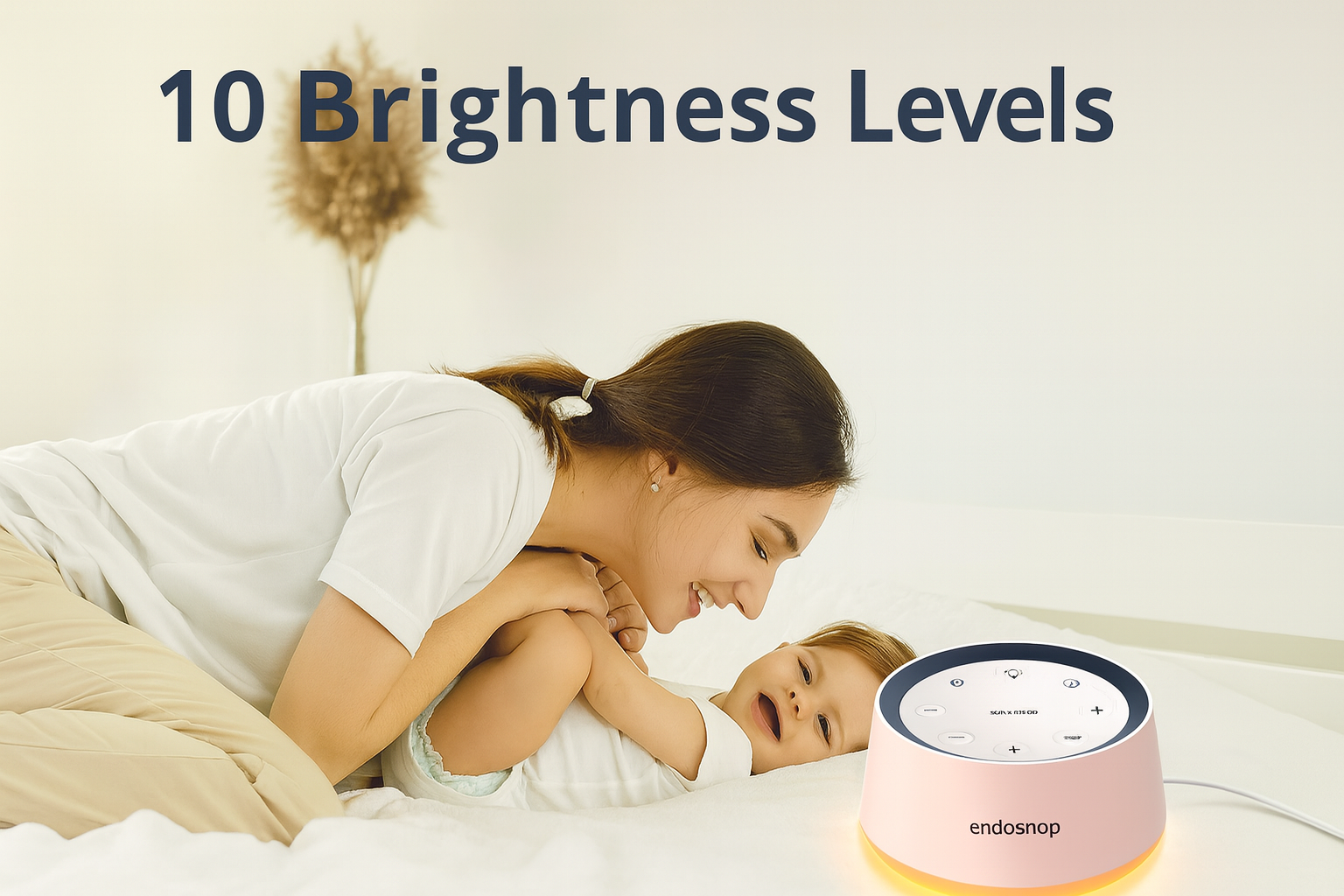
While white noise can support uninterrupted rest, factors such as volume, machine quality, and user sensitivity all affect how safe and effective overnight use will be. This article explores these elements and how proper design ensures consistent comfort.
What Are the Benefits of All-Night White Noise?
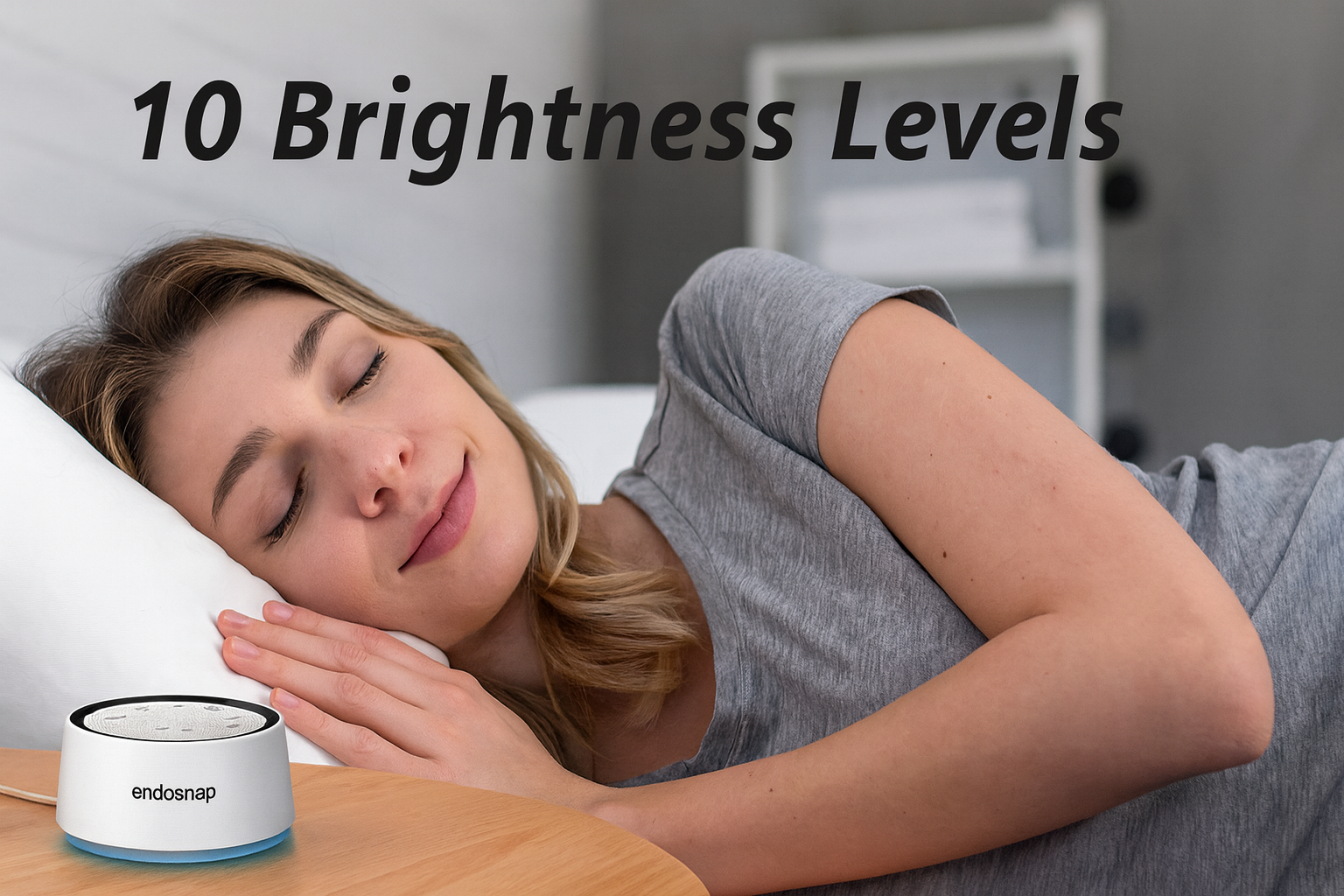
For many, continuous white noise supports deeper sleep by masking environmental sounds. This can be especially helpful in noisy neighborhoods or shared living spaces.
The primary benefit of all-night use is consistent sound masking, which prevents abrupt noises from disrupting sleep cycles.
| Benefit | Description |
|---|---|
| Noise shielding | Blocks traffic, snoring, and household disruptions |
| Sleep depth enhancement | Encourages longer stages of deep sleep |
| Mental calm | Maintains a tranquil atmosphere throughout the night |
Are There Any Risks to Overnight Exposure?
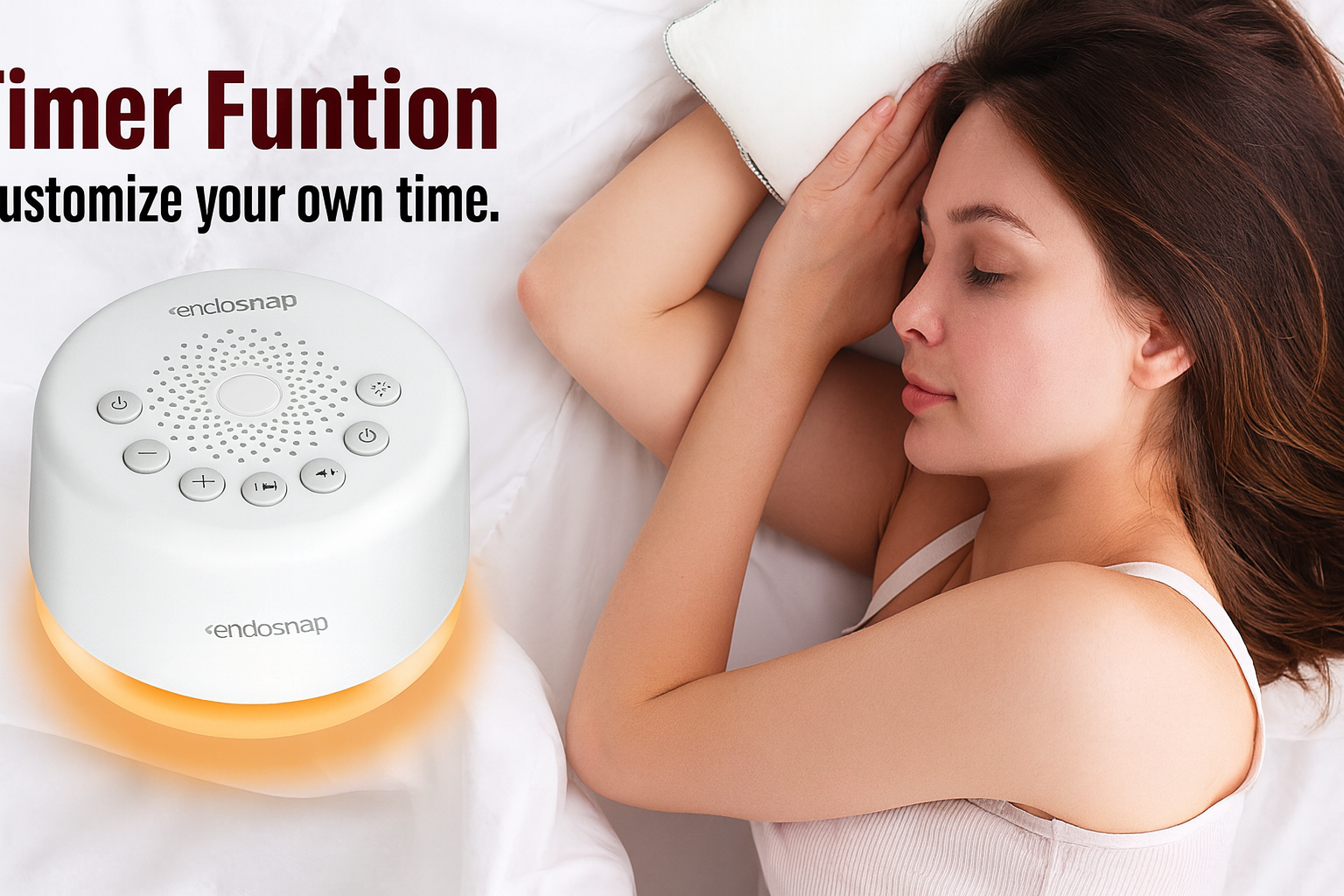
White noise is safe in moderation, but continuous exposure without control may cause issues for some users.
Risks include mild auditory fatigue, reduced sound sensitivity, or psychological dependency if overused at high volumes.
| Risk Type | Explanation |
|---|---|
| Hearing strain | Excessive volume may fatigue the auditory system |
| Sleep stage interference | In rare cases, certain tones may disrupt REM cycles |
| Habit dependence | Some users may struggle to sleep in quiet settings over time |
Using a machine with volume limits and optional timers helps reduce these risks.
What Volume Is Safe for Overnight Listening?
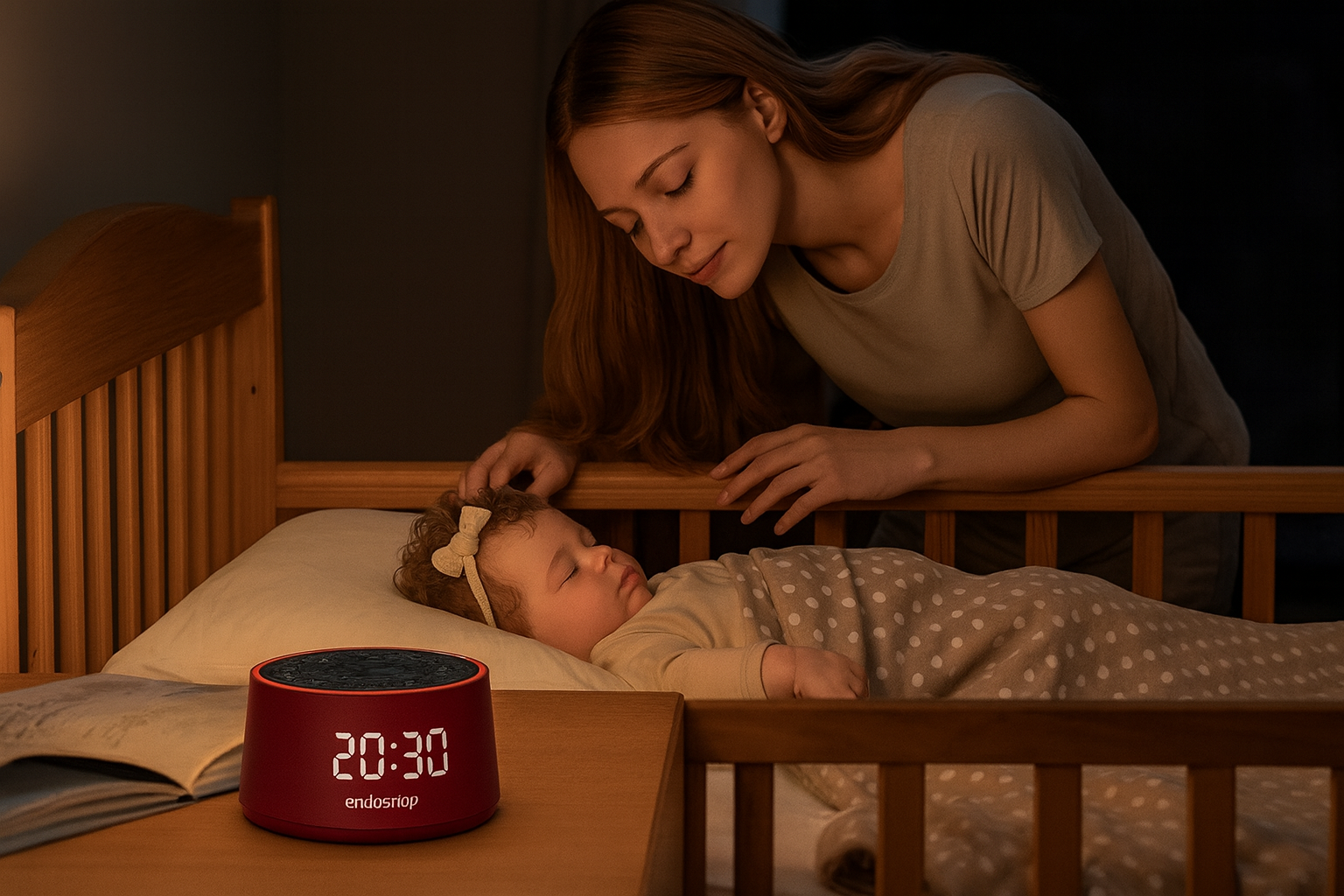
Safe listening levels are critical when using white noise through the night. Experts suggest keeping sound below natural indoor background noise levels.
The optimal volume for sleep is under 50 dB — about the same as light rainfall.
| Volume Range | Effect on Sleep |
|---|---|
| 30–40 dB | Ideal for most users; promotes calm without overstimulation |
| 40–50 dB | Acceptable for noisy areas but should be monitored |
| 50+ dB | May lead to auditory strain or reduced sensitivity over time |
How Does Manufacturing Quality Ensure Safe All-Night Use?
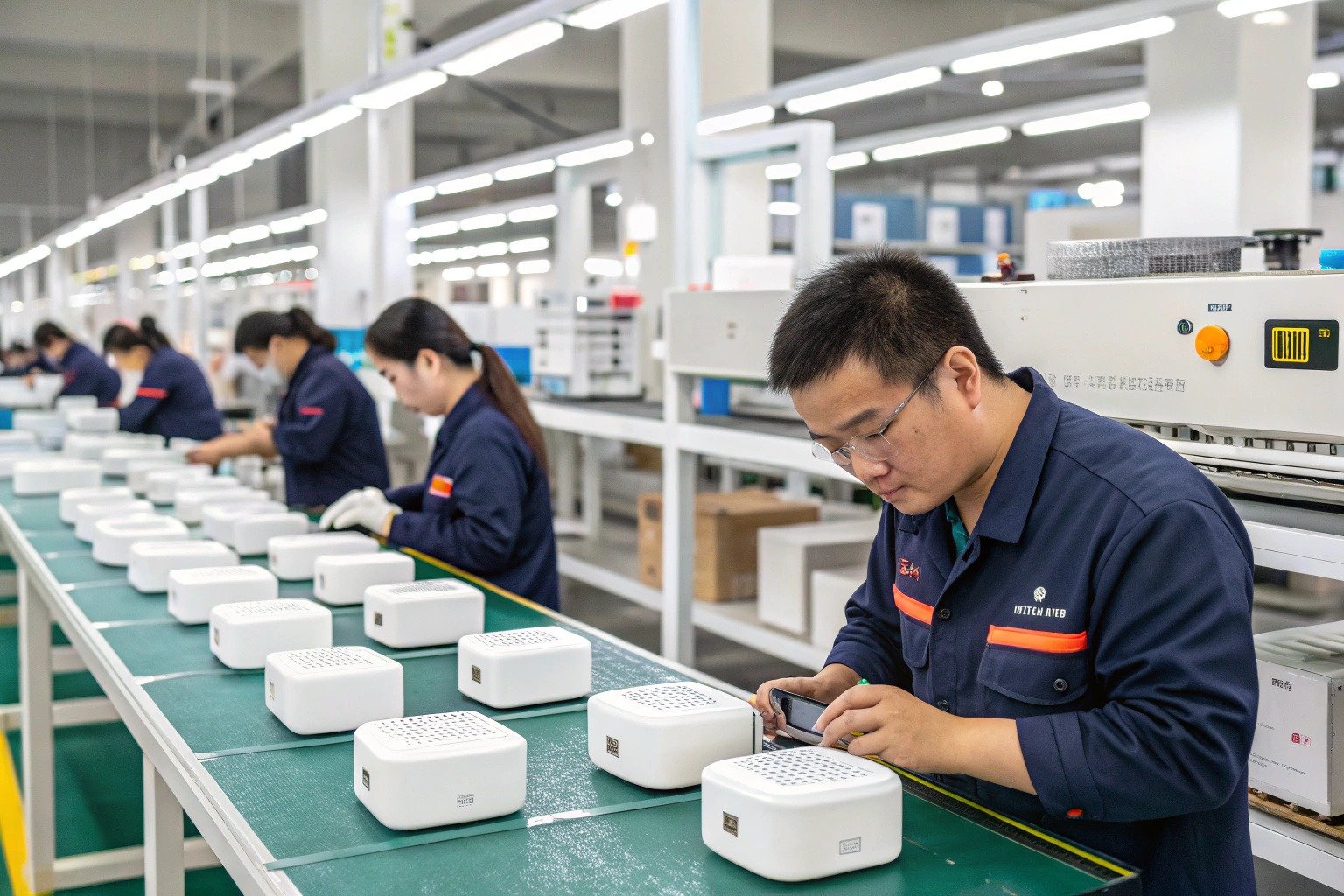
The safety of white noise depends on the design and stability of the machine. Poor-quality devices can introduce sound irregularities or electrical noise.
Well-built machines maintain smooth output, safe volume control, and sound profile consistency throughout long-duration operation.
| Design Element | Purpose |
|---|---|
| Calibrated amplifiers | Prevent distortion during long playback |
| Noise-filtering circuits | Block internal buzz or flicker |
| Thermal-resistant design | Ensures stability during 6–8 hour operation |
| CE/FCC certified systems | Meet international safety and EMC standards |
Our production lines conduct acoustic lab testing and continuous playback simulations to verify each unit’s overnight performance.
Can Timers and Smart Features Improve Overnight Use?
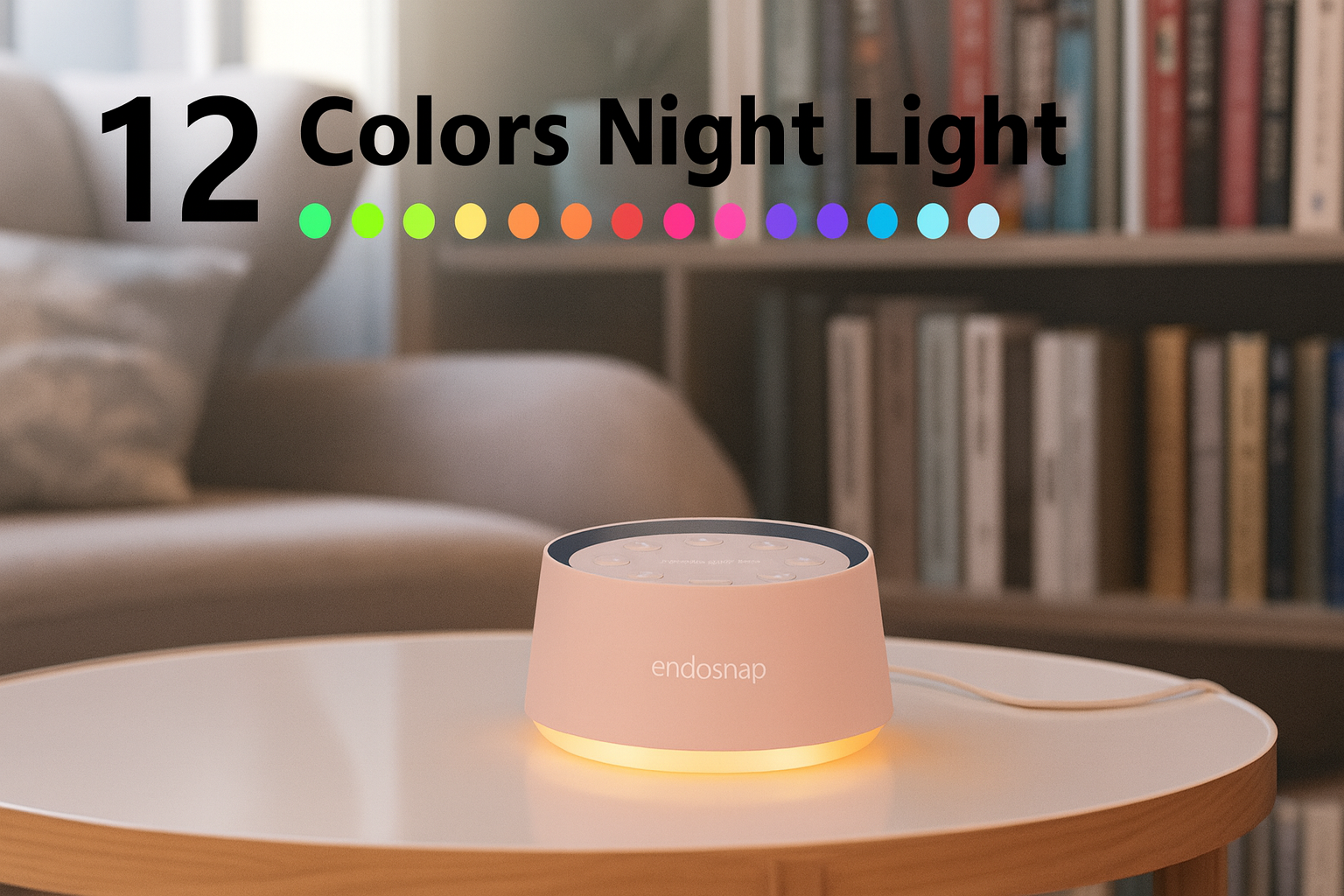
Advanced features give users more control over how white noise is used during sleep.
Timers, fade-out options, and smart controls help prevent overuse while maintaining a calming environment.
| Feature | Overnight Benefit |
|---|---|
| Auto shut-off timer | Limits exposure and encourages natural sleep cycles |
| Fade-out mode | Prevents sudden silence that could disturb lighter sleepers |
| App-based scheduling | Enables preset sessions based on bedtime habits |
| Sound profile memory | Saves preferred volume and type for consistent results |
Conclusion
Sleeping with white noise all night is safe for most people when volume is controlled and machine quality is reliable. Problems typically occur only with excessive volume or unstable devices.
As a professional factory with expertise in acoustic wellness, we design each machine to support long-term use through precise tuning, safety testing, and feature integration. Our production includes thermal stress trials, frequency curve calibration, and customer-specific sound profile development. We welcome visitors to tour our factory, review production processes, and collaborate on tailored white noise solutions for healthy sleep environments.