

Meditation thrives on stillness, but in the real world, complete silence isn’t always possible. Carefully selected sound can actually enhance meditative focus and calm.
The best noise types for meditation are pink noise, brown noise, and soft nature sounds — they create a consistent, calming environment that supports mental stillness.
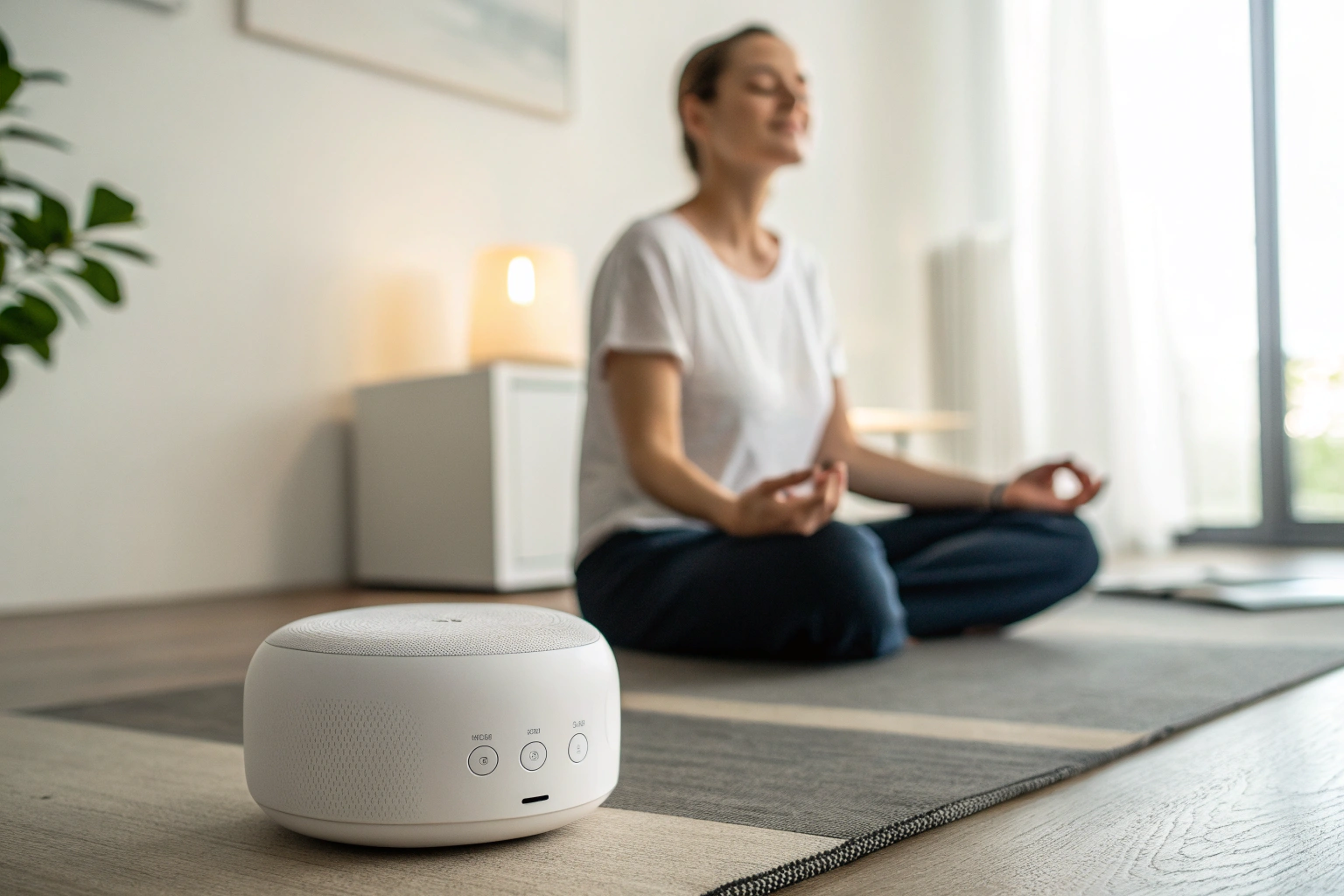
This guide breaks down the differences between noise colors and explains how each one supports mindfulness in different ways.
Is Pink Noise Ideal for Meditation?
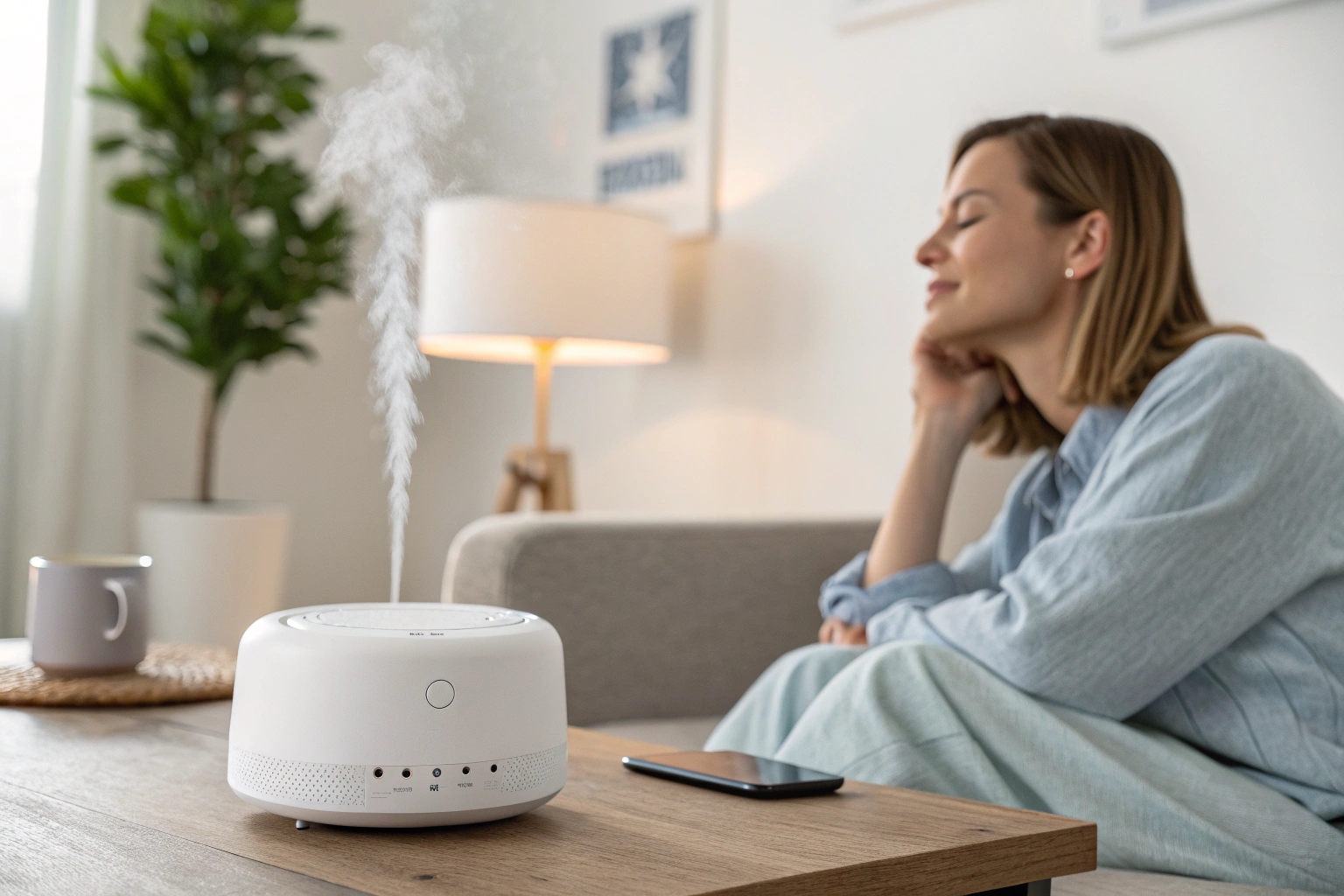
Pink noise features a balanced, soft tone that’s less harsh than white noise. It’s often compared to steady rain or ocean surf.
Pink noise is considered one of the best options for meditation due to its natural tone and deep, steady flow.
| Feature | Meditative Benefit |
|---|---|
| Balanced frequencies | Reduces tension and supports breath-focused practices |
| Less sharp than white | Comfortable over longer sessions |
| Natural resemblance | Similar to rain or wind — familiar, grounding sound |
Meditators who practice daily often prefer pink noise for its smooth, non-distracting presence.
How Does Brown Noise Support Deep Meditation?
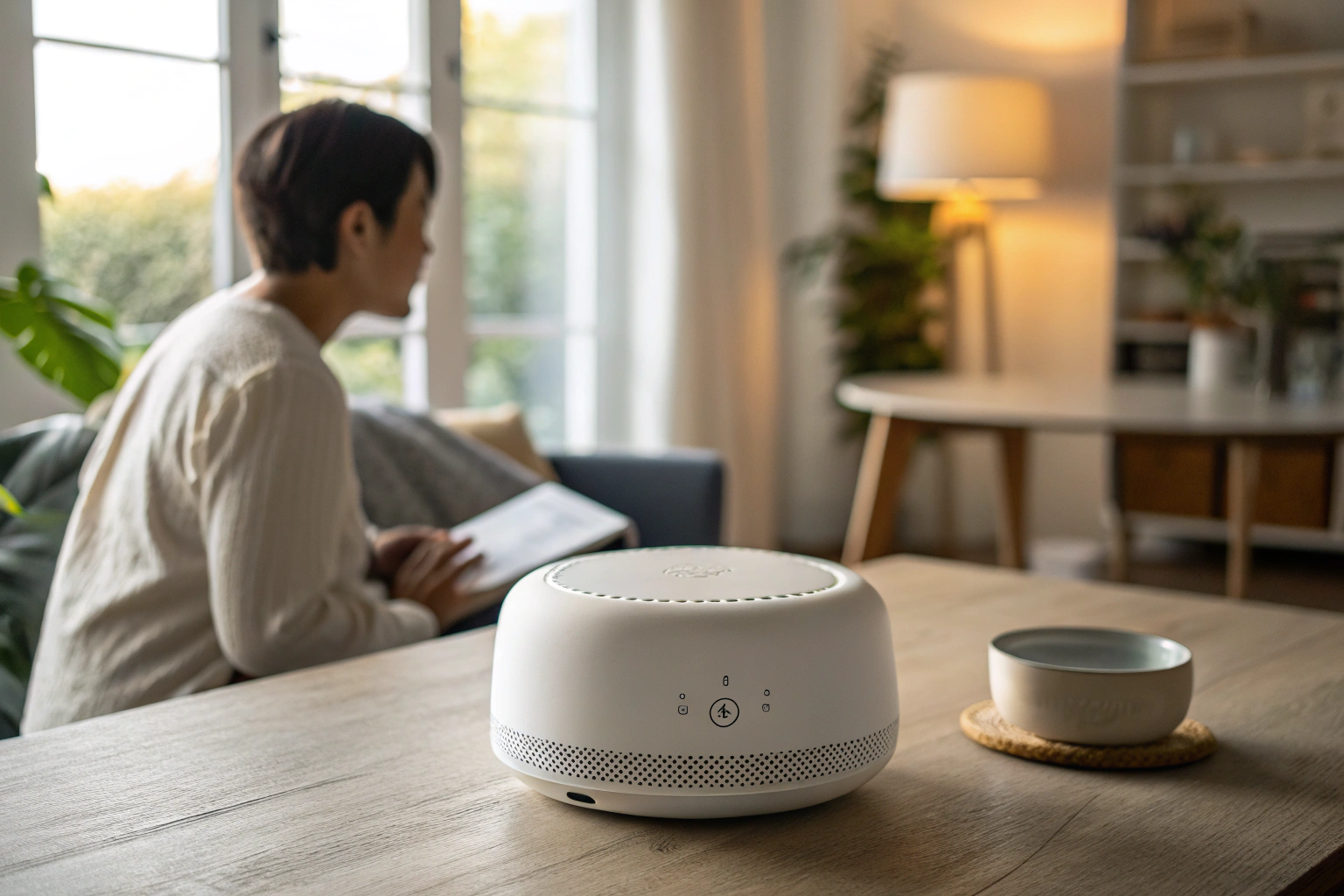
Brown noise drops even deeper in frequency than pink. It sounds more like a soft rumble or distant thunder.
Brown noise is useful for grounding practices or for meditators who are easily distracted by higher-pitched sounds.
| Feature | Meditative Benefit |
|---|---|
| Deep, bass-heavy tones | Promotes stillness and deeper mental focus |
| Fewer high frequencies | Helps reduce anxiety or mental stimulation |
| Soothing background | Good for body scanning or relaxation-based meditation |
It’s especially effective in noisy homes or urban environments.
Are Nature Sounds Also Good for Meditation?

Nature sounds are among the most popular for guided meditation. They add rhythm, imagery, and a sense of place.
Waves, rain, birdsong, and wind sounds help meditators visualize peaceful settings, reducing internal chatter.
| Sound Type | Meditation Use |
|---|---|
| Rainfall | Encourages steady breathing and mind quieting |
| Ocean waves | Used for visualization and deep relaxation |
| Forest ambience | Pairs with grounding and sensory-awareness meditations |
| River or stream | Creates gentle flow to support mindfulness |
Nature sounds may not be as acoustically neutral as pink or brown noise but add emotional depth and warmth.
Which Sounds Should Be Avoided?

Not all background sound is helpful. Some noise types can break focus or even raise stress levels if used improperly.
Avoid static-heavy white noise, repetitive loops, or overly complex sounds during meditation.
| Sound Type | Why It’s Not Recommended |
|---|---|
| White noise (raw) | Can be too sharp or tiring over time |
| Looping sound tracks | Repetition can distract once patterns are detected |
| Loud binaural beats | May overstimulate sensitive listeners |
| Music with vocals | Triggers emotional or mental associations |
Machines built for meditation should use non-looping, smoothed tracks with adjustable volume.
Conclusion
The best noise types for meditation are pink noise, brown noise, and organic nature sounds. These support calm, focus, and inner stillness by reducing environmental disruptions and mental noise.
As a white noise machine manufacturer, we produce devices optimized for meditative use — with carefully tuned sound curves, safe long-duration output, and custom options for wellness brands. You’re welcome to visit our factory to learn how we create tools that help people disconnect from noise and reconnect with clarity.