

Some people feel they can’t sleep unless their white noise machine is running — why does this happen?
You may struggle to sleep without white noise because your brain has adapted to rely on it for relaxation and masking background disruptions. This is known as auditory sleep conditioning.
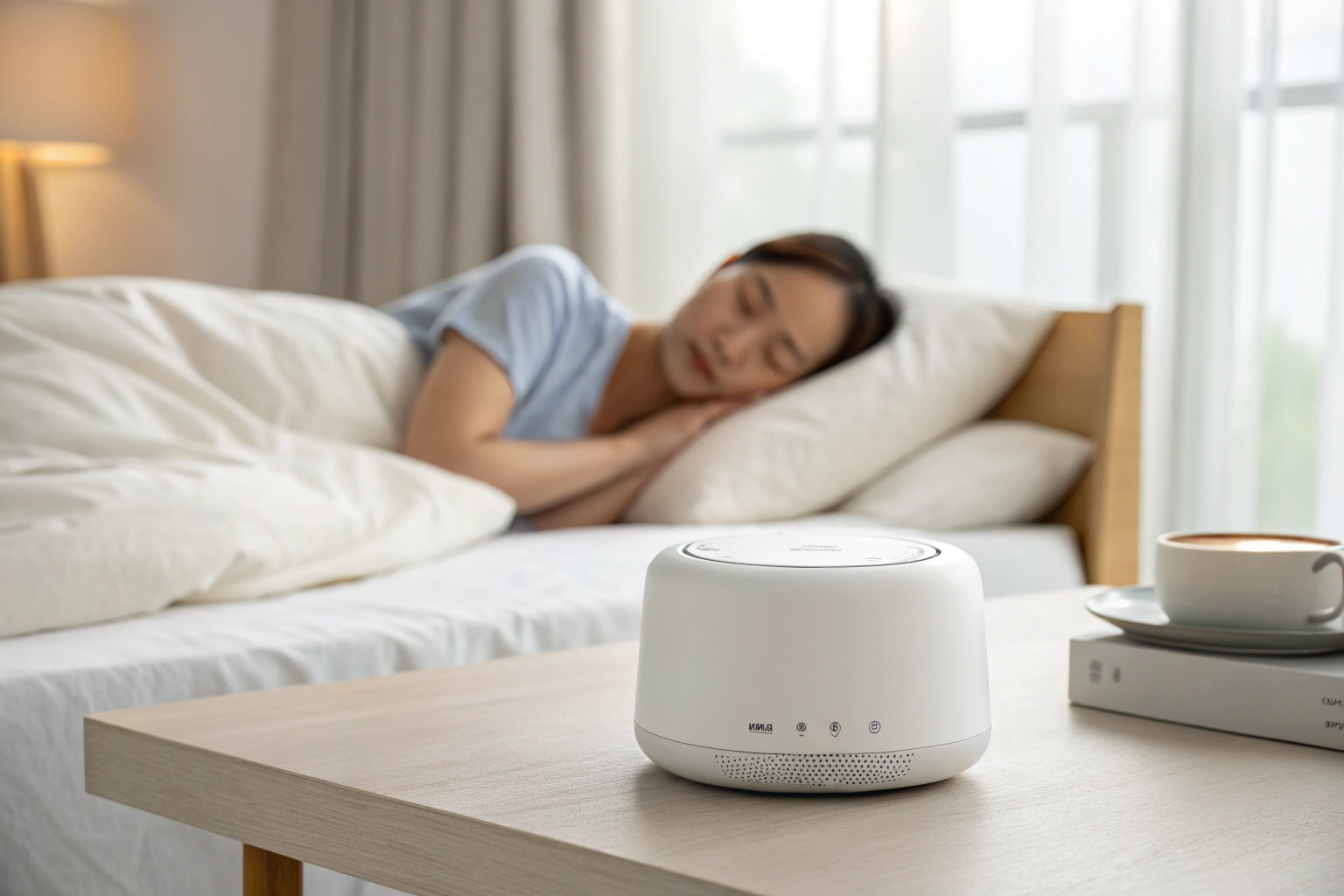
This article explores how white noise can create a behavioral sleep trigger, what causes dependency, and how well-designed machines help reduce long-term reliance.
How Does White Noise Become a Sleep Trigger?
The brain learns to associate certain conditions with sleep. If white noise is used every night, it can become part of your internal “fall asleep” signal.
This is similar to how bedtime routines like dimming lights or reading prepare the brain for rest.
| Conditioned Cue | Response |
|---|---|
| Consistent white noise | Brain recognizes it's time to sleep |
| Silence | May trigger alertness instead |
| Sudden sound changes | Can cause micro-arousals |
Our machines feature fade-in and fade-out modes to help users transition gradually and avoid sudden auditory changes.
Is It Bad to Rely on White Noise?
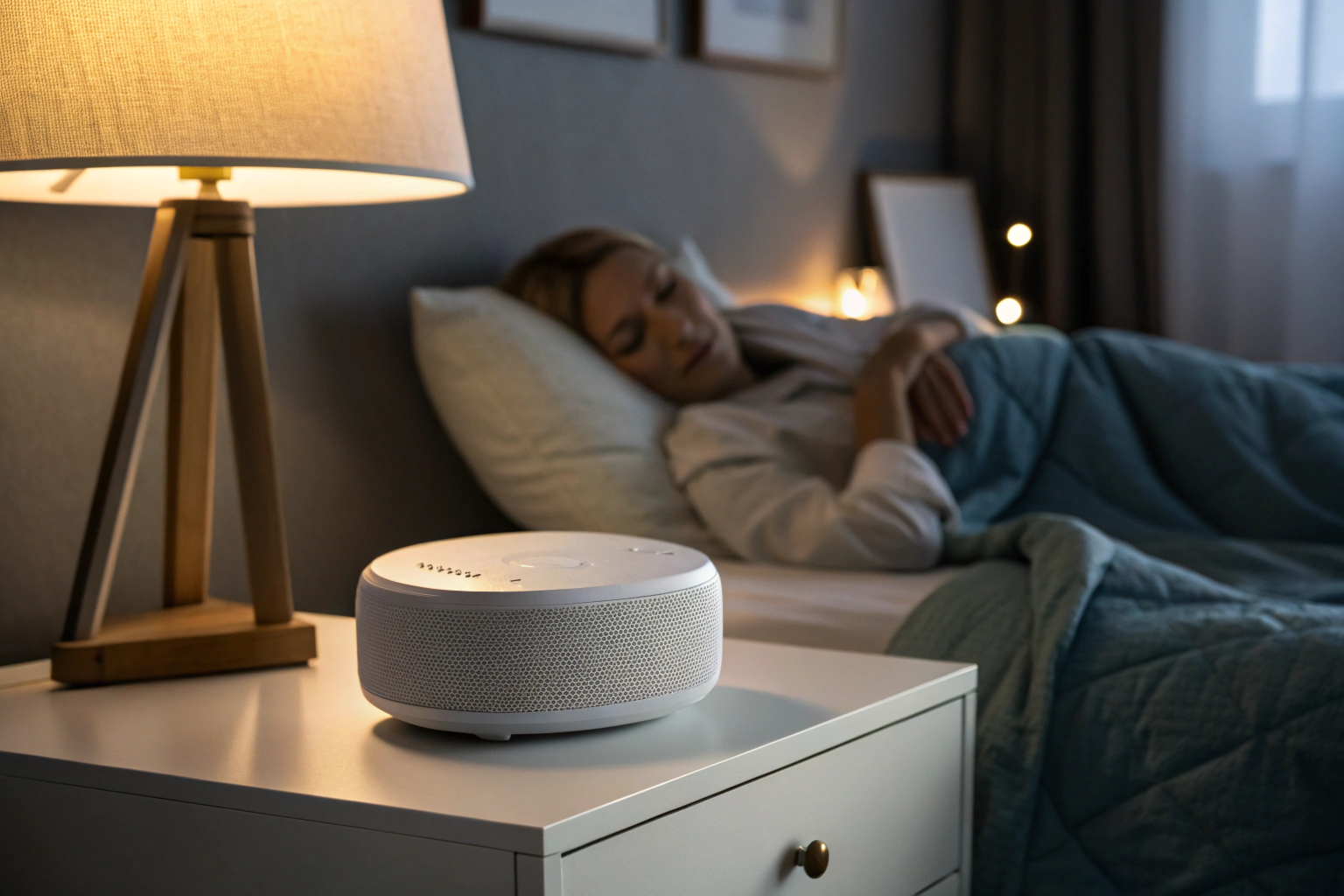
Not necessarily. If used at safe volumes and with high-quality sound, white noise is a healthy sleep aid. But absolute dependence may limit flexibility when traveling or when a machine isn't available.
Over time, relying exclusively on white noise may reduce your ability to fall asleep in natural silence.
| Concern | How to Manage It |
|---|---|
| Sound dependency | Alternate with nights of reduced volume |
| Travel sleep disruption | Use mobile apps or portable units |
| Reduced adaptability | Gradually shorten duration |
We design portable white noise models and smartphone-compatible options to help maintain sleep quality during travel.
What Causes Sleep Struggles Without White Noise?

Sudden silence after long-term use of white noise can make the brain more sensitive to environmental noise or internal thoughts.
The absence of the usual masking sound creates contrast, making small noises feel louder and more distracting.
| Common Disruption | Effect on Sleep |
|---|---|
| Traffic or sudden sounds | Frequent awakenings |
| Internal thoughts | Harder to fall asleep without distraction |
| Anxiety in silence | Heightened mental alertness |
We manufacture machines with pink and brown noise settings — smoother and easier to wean off than sharp static-like tones.
Can You Train Yourself to Sleep Without It?

Yes. By using timers, lowering volume gradually, or switching to softer frequencies, it’s possible to reduce white noise dependency.
This process is similar to gently weaning off other sleep associations like rocking or lullabies.
| Weaning Method | How It Helps |
|---|---|
| Use fade-out timers | Removes noise during deep sleep |
| Reduce playback nights | Builds natural sleep patterns |
| Try natural sounds | Easier transition than white static |
Our devices include programmable schedules and adjustable tones to support every stage of this transition.
Conclusion
Not being able to fall asleep without white noise is a result of learned sleep association. It’s not harmful, but overdependence can limit sleep flexibility.
We develop sound machines engineered to provide safe, adaptive sleep aid — including gradual fade modes, calming audio design, and travel-friendly formats. For customization or bulk orders, you're welcome to connect with our team.