

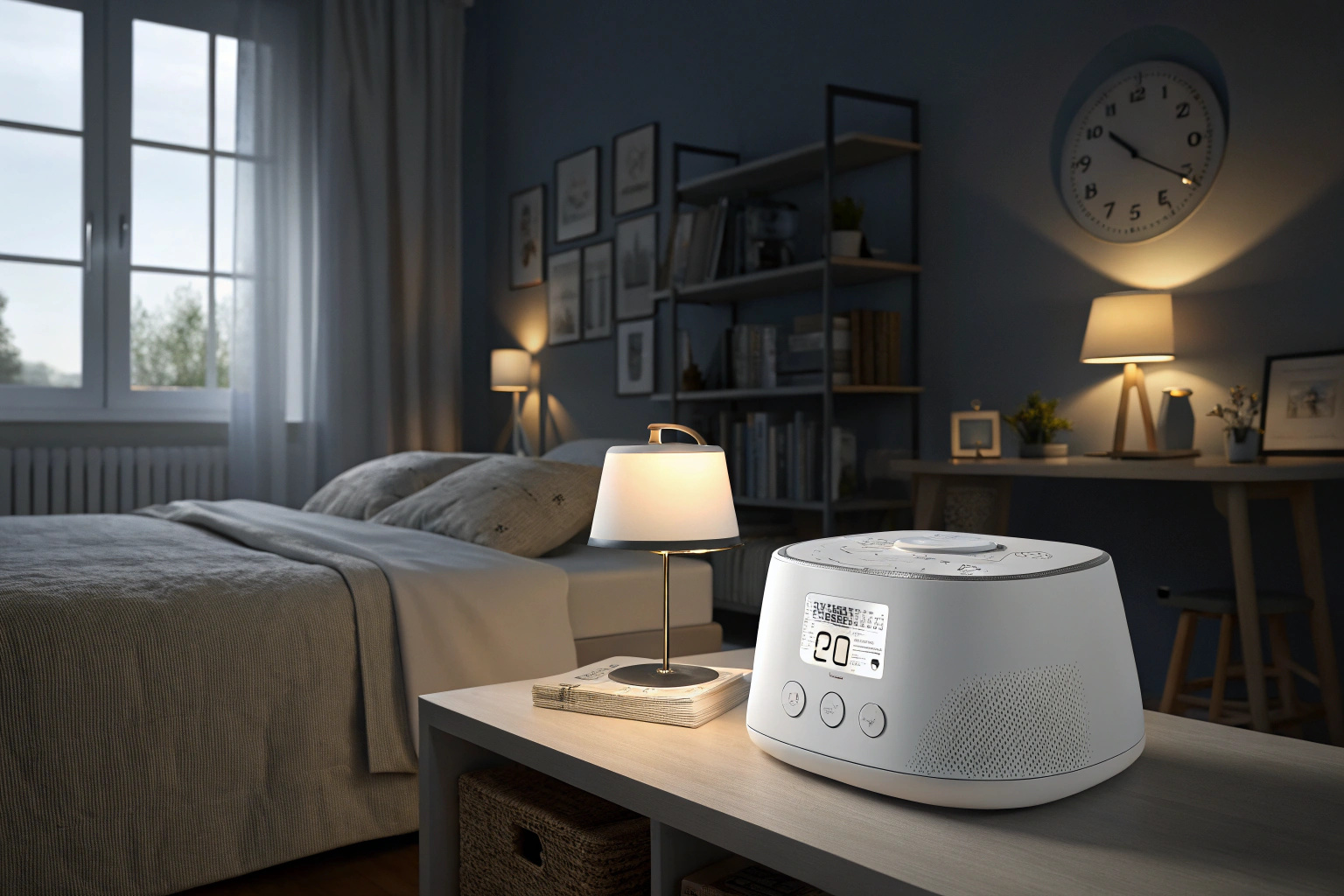
Struggling with restless nights? White noise can help create a sleep-friendly environment by masking disruptive sounds and promoting relaxation. But how does it work, and how should you use it effectively?
White noise is a consistent sound containing all audible frequencies at equal intensity, which helps the brain tune out disturbances. Its ability to block background noise makes it an effective sleep aid for both adults and infants.
Many people turn to white noise machines, apps, or household sources like fans to improve their sleep quality. Understanding the science behind white noise and learning the best ways to apply it can help you get better rest.
The Science Behind White Noise
White noise is a type of sound that contains all frequencies in the audible range, played at equal intensity. This creates a consistent auditory backdrop that helps the brain filter out sudden noises. Unlike music or speech, white noise lacks distinct patterns, which makes it easier for the brain to ignore distractions.
The reason white noise is so effective for sleep lies in how the brain processes sound. The human auditory system is highly sensitive, even during sleep. Sudden noises, such as a door slamming or a dog barking, can trigger wakefulness. White noise works by "masking" these disruptive sounds, making them less noticeable. This effect helps maintain uninterrupted sleep, particularly in noisy environments.
There are also variations of white noise, such as pink noise and brown noise. Pink noise has a balanced frequency distribution, which some people find more soothing, while brown noise emphasizes lower frequencies, creating a deeper, more rumbling sound. These alternatives provide similar benefits while catering to personal preferences.
Why White Noise Helps with Sleep
Many people struggle with falling and staying asleep due to background noise or an overactive mind. White noise helps in several ways, making it one of the most effective non-medicated sleep aids.
One reason white noise improves sleep is its ability to reduce sleep onset latency, the time it takes to fall asleep. By creating a consistent sound environment, it minimizes the brain’s focus on irregular external noises. This is especially helpful for light sleepers, who are more prone to waking up due to small disturbances.
White noise also enhances sleep stability, preventing micro-awakenings caused by sudden environmental sounds. Research suggests that individuals who use white noise experience fewer interruptions throughout the night, leading to better overall sleep quality. This makes it beneficial for those living in urban areas with frequent noise pollution.
In addition to external noise masking, white noise provides a calming effect that can reduce stress and anxiety. Many people find that playing white noise helps them relax, making it easier to transition into deep sleep. This is particularly useful for individuals with insomnia, as a consistent auditory backdrop can train the brain to associate white noise with sleep readiness.
Applications of White Noise for Sleep Assistance
White noise can be used in various ways to improve sleep, whether through machines, phone apps, or natural sources. Different methods suit different sleep environments and preferences.
Many people use white noise machines, which are specifically designed to produce steady, soothing sounds. These machines often include adjustable volume controls, timers, and different sound options like rain or ocean waves. Unlike mobile apps, dedicated machines provide a continuous, high-quality sound without interruptions from phone notifications.
For those who prefer a more natural approach, household items like fans, air purifiers, or humidifiers can generate a similar effect. These devices create mechanical white noise that helps mask disruptive sounds without the need for digital equipment. Some people also find comfort in nature-based noises, such as running water from a small indoor fountain.
White noise is particularly effective for infant sleep assistance. Newborns are accustomed to constant noise from the womb, so complete silence can feel unnatural. Playing white noise mimics this familiar environment, helping babies fall asleep faster and stay asleep longer. Parents who use white noise machines often notice that their infants wake up less frequently during the night. However, pediatricians recommend keeping the volume below 50 dB and placing the machine at least 7 feet away from the baby’s crib to prevent hearing damage.
Best Practices for Using White Noise
Using white noise effectively requires choosing the right type of sound, setting an appropriate volume, and placing the machine in an optimal location. While white noise can be highly beneficial, it works best when integrated properly into a sleep routine.
One key factor is volume control. White noise should be loud enough to mask background disturbances but not overpowering. A general recommendation is keeping the volume around 40–50 dB, which is comparable to the sound of a quiet fan. Playing it too loudly may cause discomfort or long-term hearing sensitivity.
Another important aspect is placement. The white noise source should be positioned strategically based on the primary noise disturbance. If external traffic noise is the problem, placing the machine near a window can help block it. For general sleep assistance, placing it a few feet away from the bed ensures an even sound distribution without being too overwhelming.
Experimenting with different types of noise can also enhance its effectiveness. Some people find traditional white noise too harsh and prefer pink or brown noise for a smoother sound experience. Trying different variations can help find the most suitable sleep-inducing environment.
Potential Downsides and Considerations
While white noise is generally safe and beneficial, there are some potential downsides to be aware of. Some individuals find continuous noise distracting rather than soothing, particularly if they are used to sleeping in complete silence. For these people, using a gradual fade-out timer can help reduce reliance on white noise over time.
Long-term exposure to high-volume white noise could also have potential effects on hearing sensitivity. If used excessively at high levels, it may desensitize the ears, leading to a reduced ability to detect subtle environmental sounds. Ensuring the volume remains at a safe level helps prevent this issue.
For infants, reliance on white noise machines should be managed carefully. While they can be effective for soothing newborns, excessive dependence might make it harder for babies to sleep without them. Gradually reducing the volume as the baby grows older can help transition them to natural sleep without external noise assistance.
Conclusion
White noise is an effective tool for improving sleep by masking disruptive sounds and creating a consistent auditory environment. By reducing sleep disturbances and promoting relaxation, it can help people fall asleep faster and enjoy deeper rest.
Choosing the right white noise source—whether a machine, an app, or a household appliance—can enhance sleep quality. Adjusting volume levels, positioning the device correctly, and incorporating white noise into a bedtime routine further maximize its benefits.
If you struggle with noise-related sleep disruptions, trying white noise might be the simple yet effective solution you need.