

Many struggle with sleep due to unpredictable noise. White noise machines are widely used — but do they truly work? This article explores the science and production behind their effectiveness.
White noise machines help mask sudden or disruptive sounds, supporting better sleep for many users — especially in noisy environments. Effectiveness, however, depends on individual needs and machine quality.
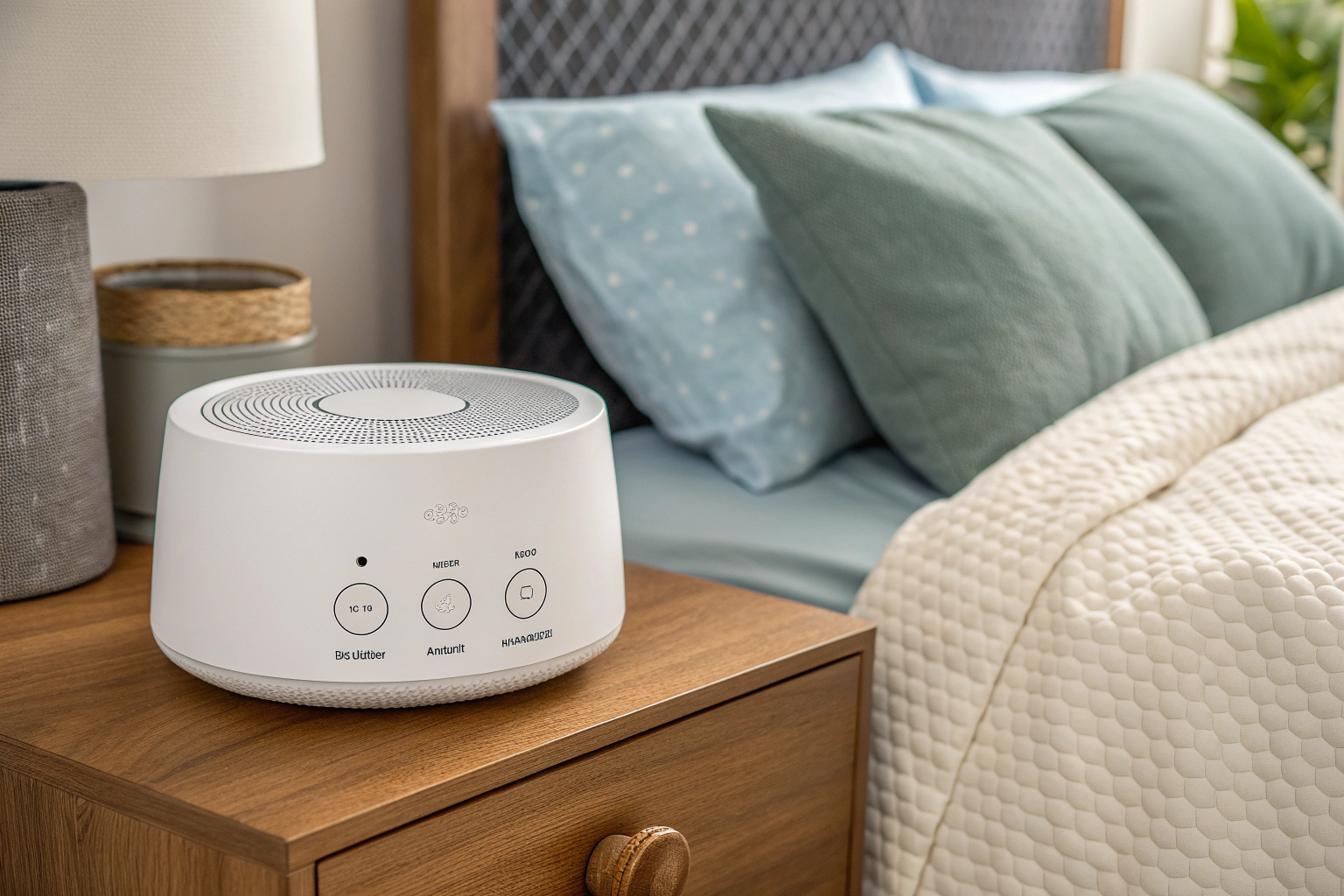
The growing demand for sleep solutions drives interest in white noise machines. With their simple interface and consistent output, they seem ideal for light sleepers or urban dwellers. Understanding how they function and how design and manufacturing influence performance is key to evaluating their true value.
What Is White Noise and Why Is It Used for Sleep?
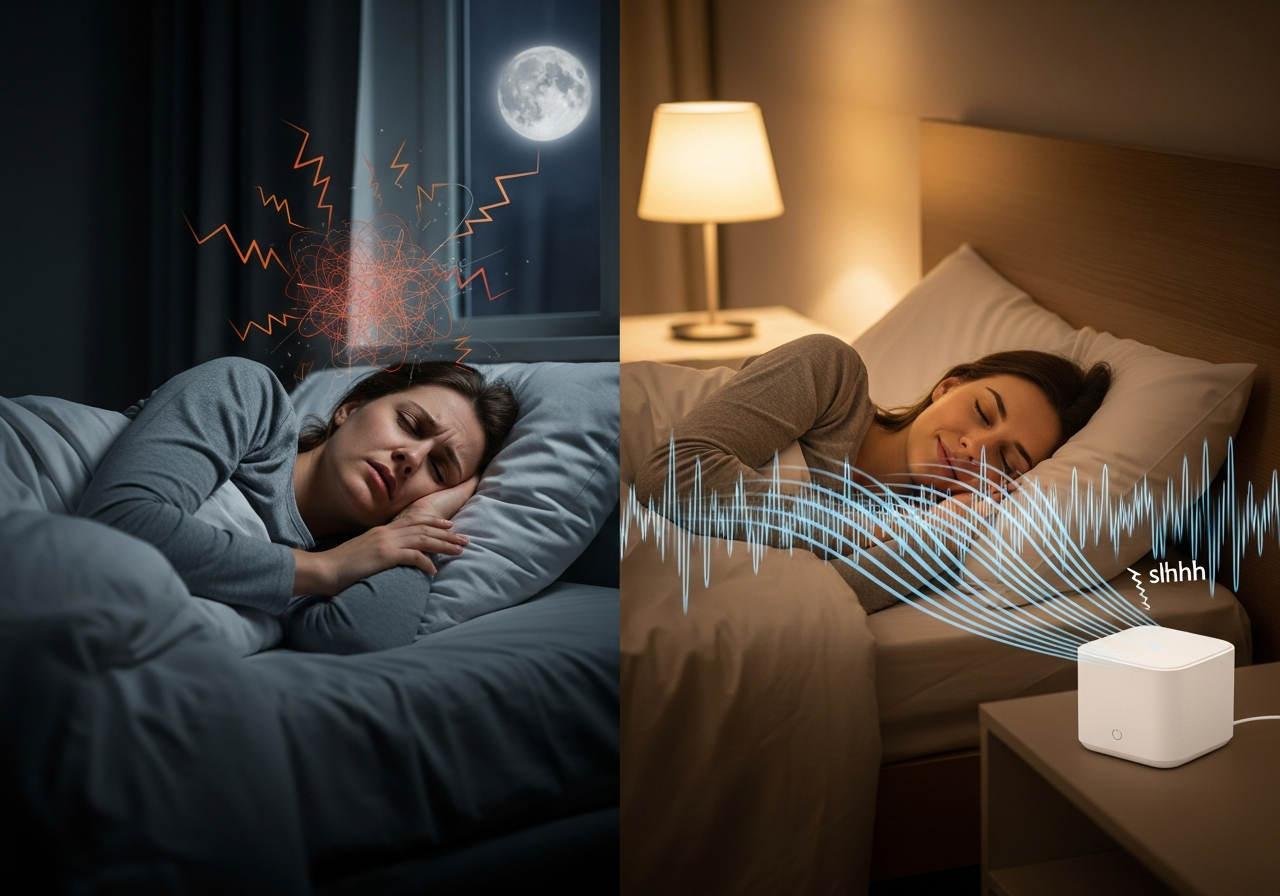
White noise is a broadband sound containing all frequencies at equal intensity, often compared to fan noise or static. When played at low volume, it can mask external sounds like street noise, footsteps, or conversations, reducing sleep disruptions.
By creating a stable acoustic environment, white noise prevents the brain from reacting to sudden external changes. This helps maintain sleep continuity, particularly in light sleepers or those exposed to frequent interruptions.
Common Types of Noise for Sleep Devices
| Noise Type | Description | Use Case |
|---|---|---|
| White Noise | Equal power across all frequencies | General noise masking |
| Pink Noise | Power decreases with frequency | Soothing, less harsh than white noise |
| Brown Noise | Even deeper frequency drop | For those sensitive to high tones |
Proper calibration and sound profiling improve user comfort and effectiveness.
What Does the Research Say About Effectiveness?
Scientific studies offer mixed but generally positive findings. Research shows that white noise can improve sleep onset and reduce nighttime awakenings, especially in environments with irregular sound disturbances.
- A 2021 study in Sleep Medicine reported that white noise reduced sleep latency and increased sleep efficiency in urban settings.
- A systematic review in hospital environments found that white noise improved perceived sleep quality and reduced patient stress.
- Other reviews highlight benefits from pink and brown noise, suggesting that frequency profile matters.
Despite these findings, some reports argue that overuse may interfere with natural sleep stages like REM. Concerns include potential auditory overstimulation and psychological dependence.
Effectiveness is often tied to proper volume, duration of use, and personal sensitivity. Machines must offer customizable settings to match diverse user needs.
When Do White Noise Machines Work Best — and When Not?
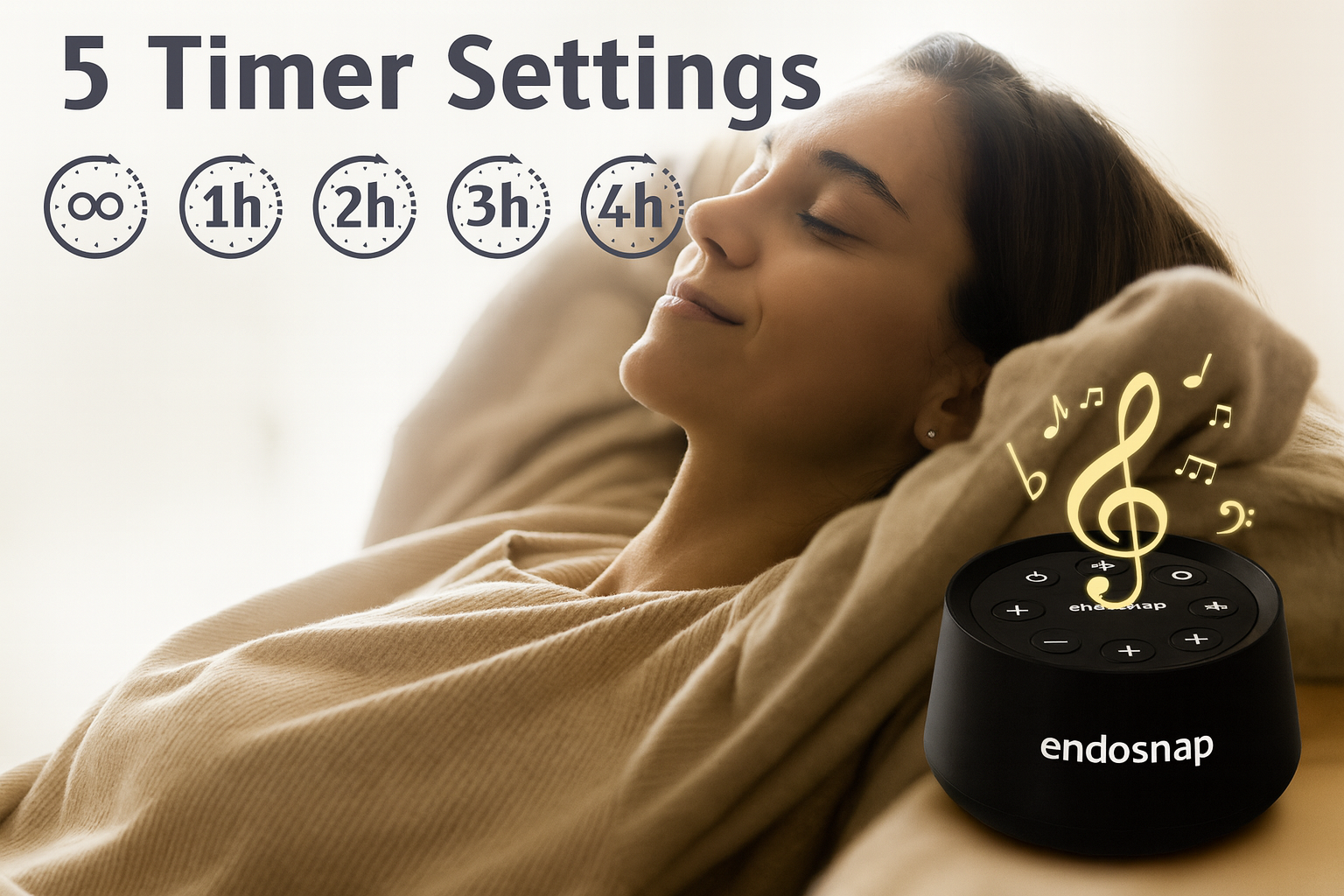
Performance varies based on environment and individual sleep behavior. Machines perform well when masking irregular background noise or establishing a consistent bedtime routine.
Effective Use Cases
- Urban apartments with traffic or construction
- Households with pets or children
- Temporary use during travel or jet lag recovery
Less Effective or Risk-Prone Use
- Very quiet environments — may introduce unnecessary noise
- Overuse leading to reduced responsiveness to natural sleep cues
- Improper volume — loud output may cause ear fatigue or agitation
Effectiveness increases when noise is used selectively, during sleep onset or when external interruptions are likely.
Why Design and Manufacturing Determine Real-World Effectiveness
The internal design and production quality of white noise machines directly affect their usability and comfort. Substandard components can result in harsh, inconsistent, or high-frequency-biased noise, which disturbs rather than soothes.
Key Design Considerations
| Factor | Impact on Sleep Quality |
|---|---|
| Sound Profile Accuracy | Determines listener comfort |
| Volume Range Control | Supports safe, adaptable usage |
| Frequency Calibration | Prevents distortion or imbalance |
| Output Stability | Avoids flicker or interference |
High-quality manufacturing includes:
- Acoustic engineering with stable power circuits and calibrated speakers
- Advanced PCB layout to minimize electronic interference
- Noise testing chambers to measure and fine-tune each unit
Product testing protocols also include durability simulations, ensuring devices maintain performance over time.
Factory Capabilities Behind Quality White Noise Devices
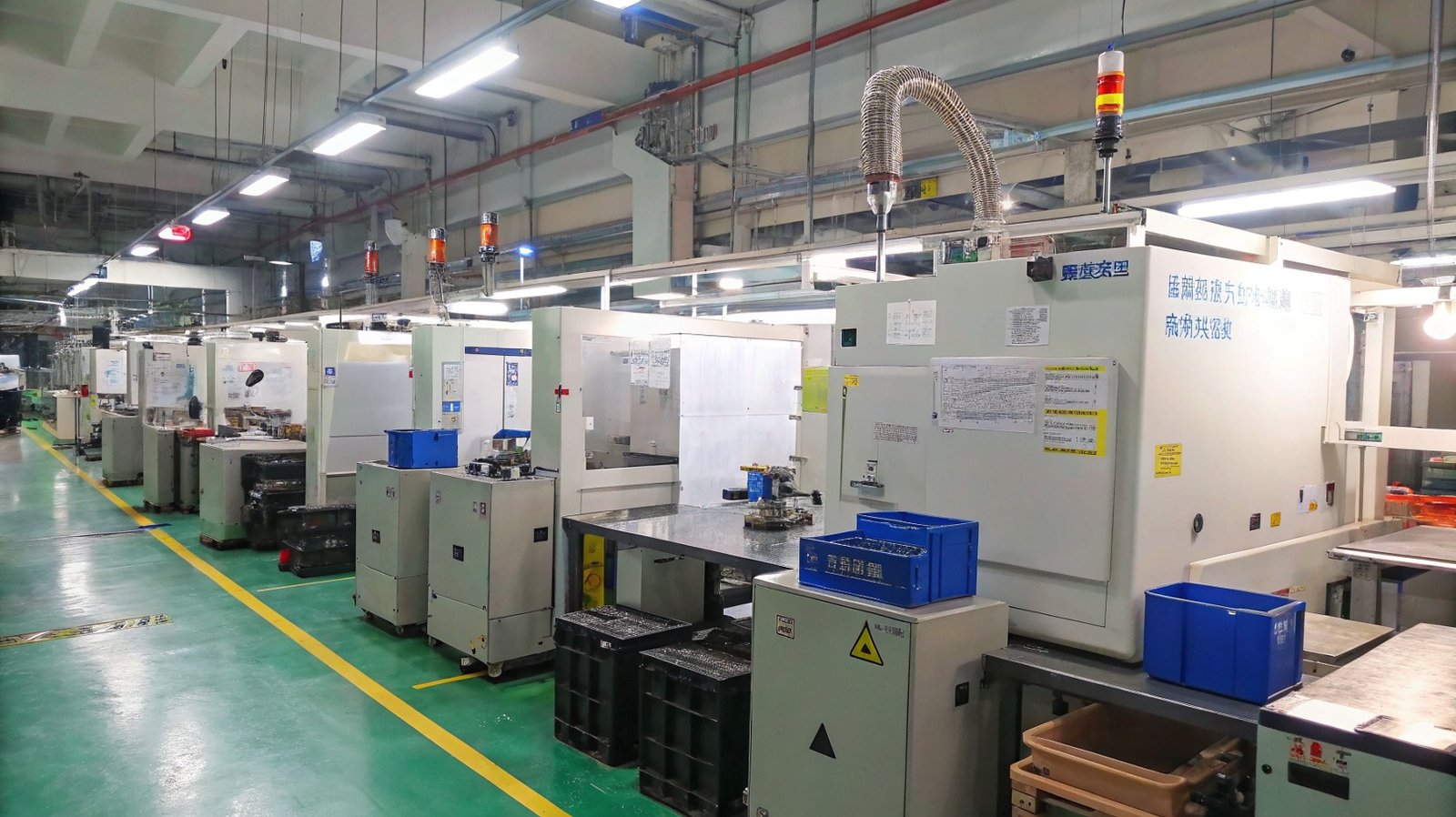
Factory-level advantages significantly influence product reliability and customization. End-to-end production, from mold development to packaging, ensures consistency and fast turnaround for large-volume orders.
Core Capabilities
- OEM/ODM Customization: Support for unique sound mixes, logo branding, packaging, and mobile app control
- High-Yield Assembly Lines: Scalable capacity, with defect rates below 1% through ISO 9001-compliant QA systems
- Smart Integration: Bluetooth, voice assistant compatibility, and memory features
- Global Certifications: CE, FCC, and RoHS compliance for key markets
Many factories now offer warehousing in export regions, improving delivery speeds and reducing cross-border lead time.
Advanced tooling and automation also support flexible updates to match evolving B2B requirements.
How Should White Noise Machines Be Used in Practice?
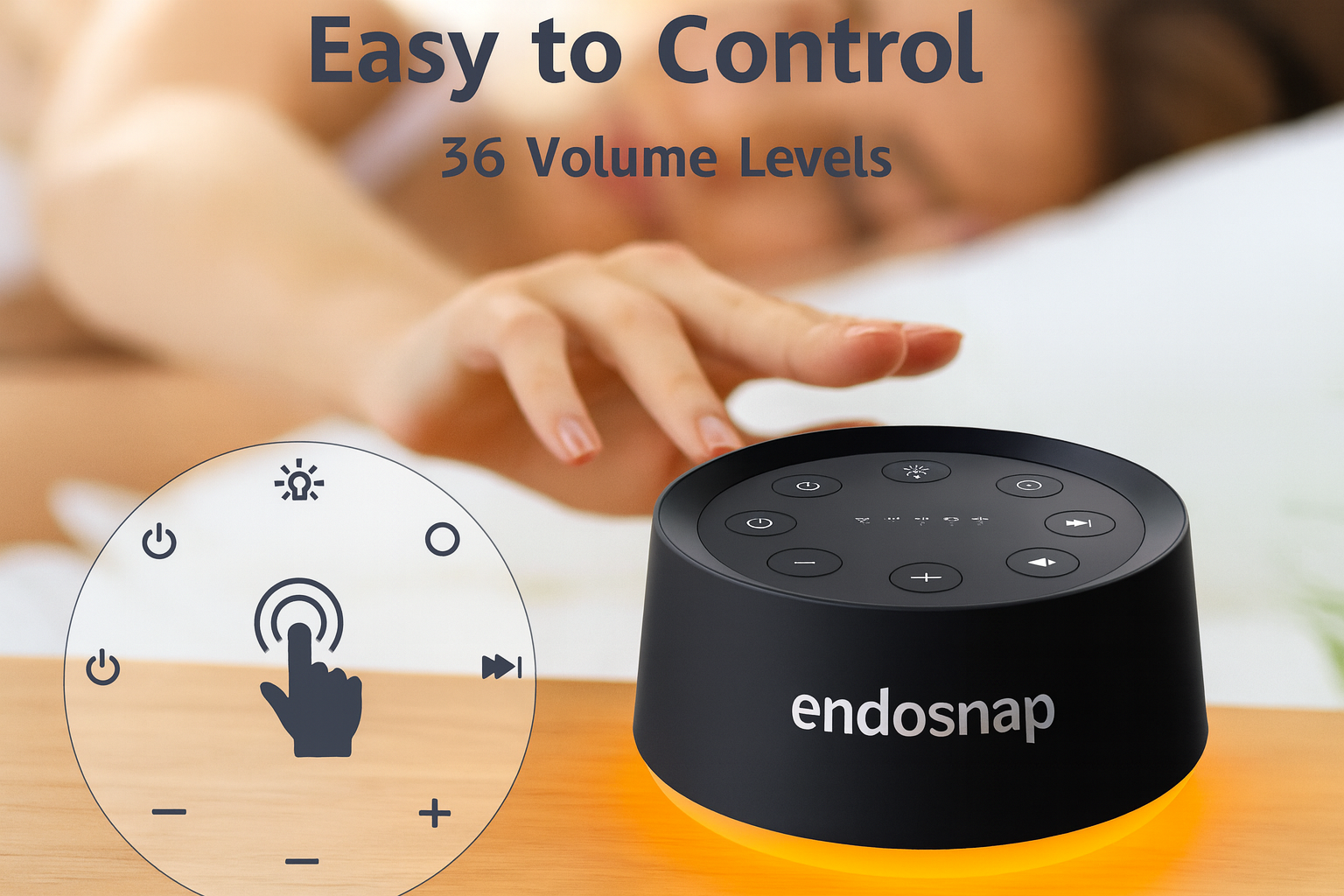
For optimal use:
- Keep volume below 50 dB — comparable to light rainfall
- Place machines 1–2 meters from the bed, not directly beside the ear
- Use timer features to avoid unnecessary all-night exposure
- Select noise profiles based on comfort: white for coverage, pink for softness, brown for depth
Pairing white noise with sleep hygiene routines — such as screen-free evenings and consistent sleep schedules — produces better long-term outcomes than white noise alone.
Conclusion
White noise machines have proven value when designed and used correctly. Their ability to mask unpredictable sounds helps support deeper and more stable sleep in environments where silence is difficult to achieve. True effectiveness depends on precise acoustic engineering, reliable components, and responsible daily use. When these elements are aligned, white noise becomes a practical and adaptable tool within a broader sleep strategy.
As a factory with integrated R&D and production capabilities, each device is developed through controlled processes that include acoustic tuning, circuit optimization, and long-duration performance testing. Material selection, molding, assembly, and final calibration all follow strict quality standards to ensure consistent sound output and long-term stability. Our facility welcomes partners to visit the production lines, observe the full manufacturing workflow, and explore customization options in sound profiles, appearance, packaging, and smart features. Tailored development and factory-level support help ensure that every finished unit meets the expectations of its intended market and application.