

Caring for people with dementia includes managing agitation, sleep issues, and confusion. Some caregivers turn to white noise as a non-invasive way to help calm and stabilize patients — but does it work?
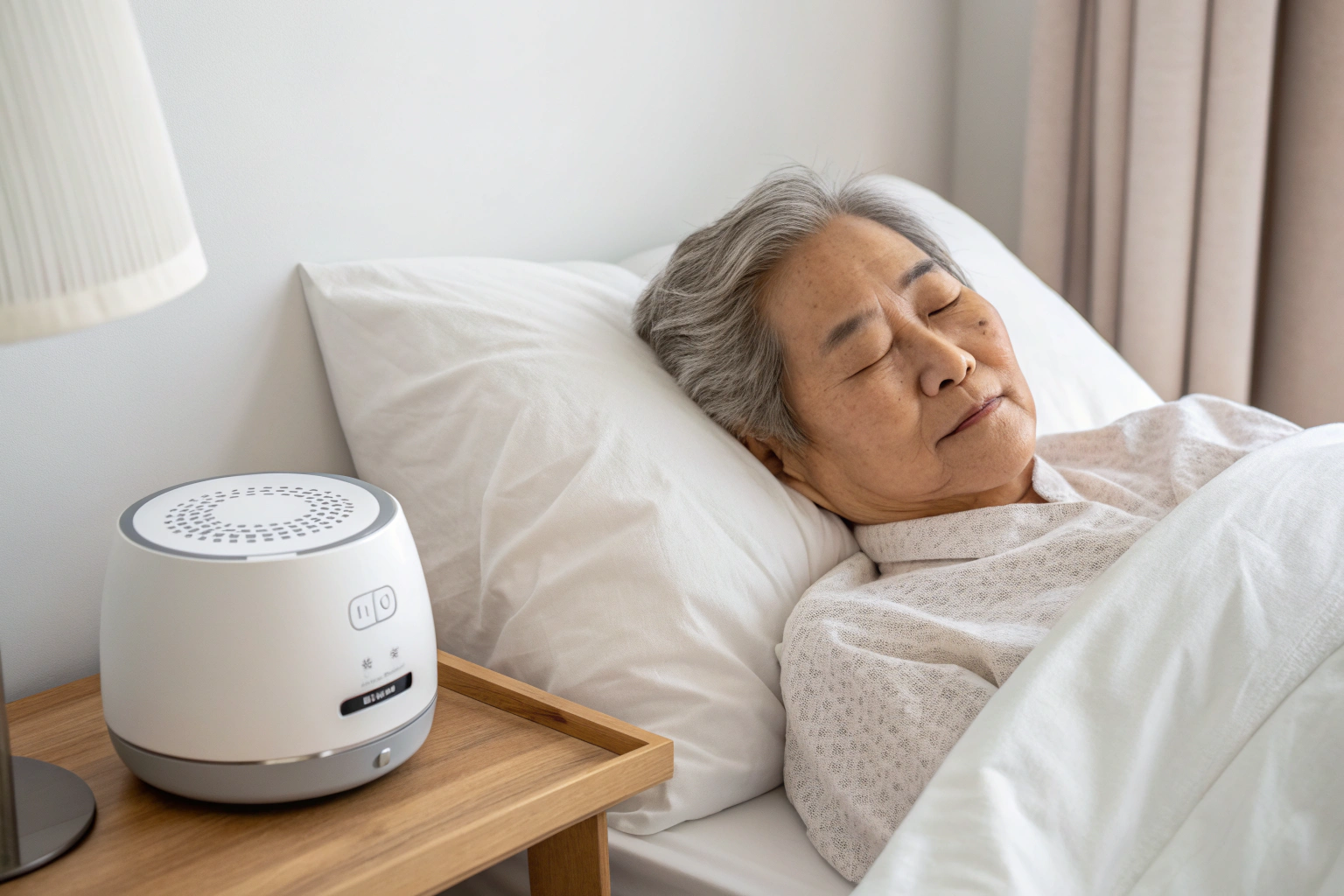
White noise may help dementia patients by reducing agitation, improving sleep quality, and masking confusing background sounds, especially in unfamiliar or overstimulating environments.
While it is not a cure, white noise can play a supporting role in dementia care routines when used carefully with appropriate sound profiles and safe volume settings.
How Does Dementia Affect Sensory Processing?
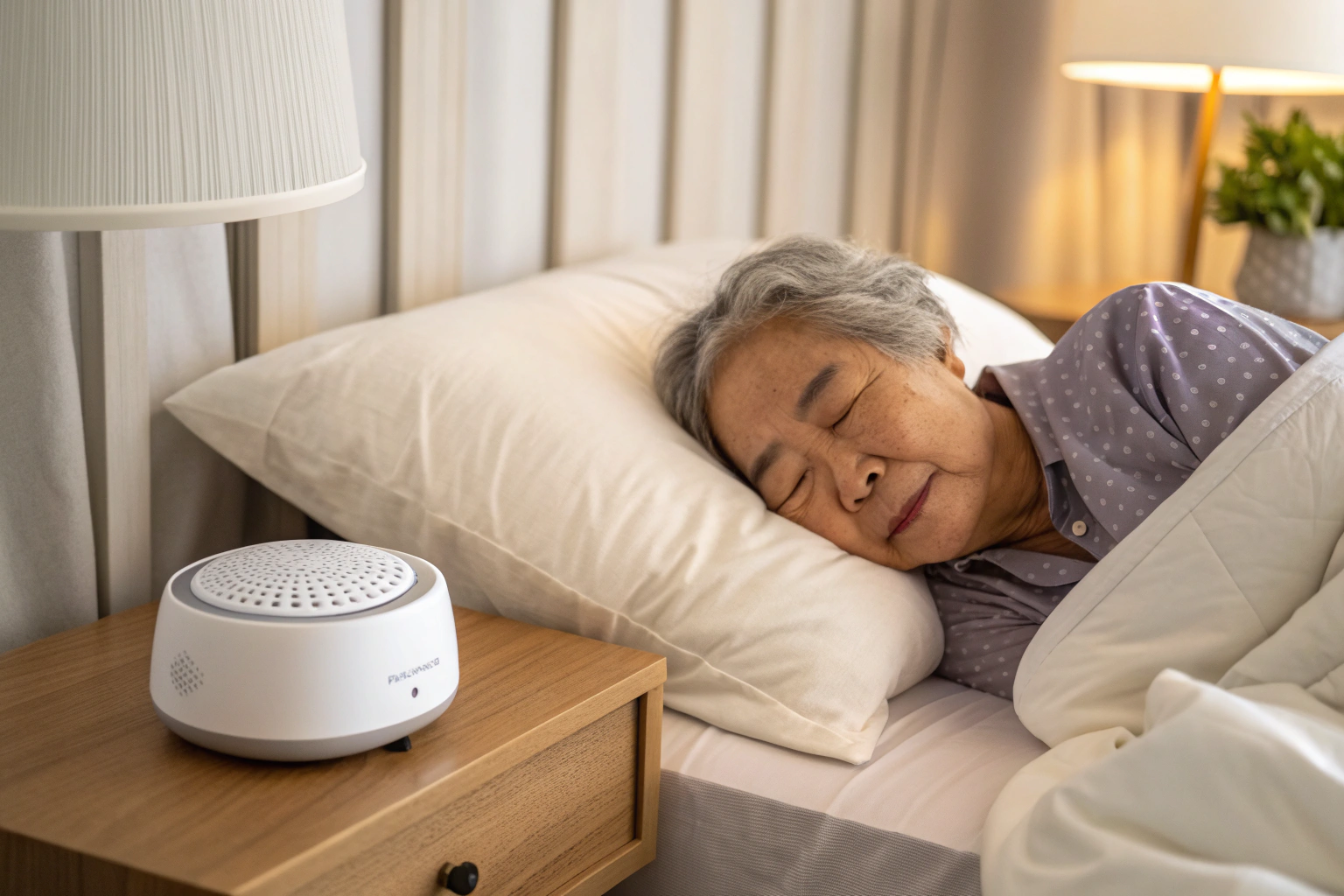
Dementia often heightens sensitivity to noise and reduces the ability to filter out unimportant sounds. This can increase confusion and emotional stress.
White noise works by providing a steady auditory background, reducing sudden sound changes that may confuse or disturb people with dementia.
| Sensory Challenge | How White Noise Helps |
|---|---|
| Sensory overload | Blocks irregular, unexpected environmental noise |
| Disrupted sleep rhythm | Maintains calm throughout the night |
| Difficulty focusing | Creates a consistent sound backdrop |
The consistent signal offers a sense of safety and structure, reducing external chaos.
Can White Noise Improve Sleep in Dementia Patients?
Sleep problems are common in dementia care. Nighttime restlessness, early waking, and sundowning are difficult to manage.
Low-volume white noise helps maintain an even sleep environment, which reduces nighttime awakenings and supports sleep consistency.
| Sleep Concern | White Noise Benefit |
|---|---|
| Early waking | Extends sleep by masking morning sounds |
| Restless nights | Creates a calming background to promote stillness |
| Sundowning episodes | Reduces overstimulation in evening hours |
Paired with light control and routine, white noise supports a more stable sleep cycle.
What Type of Sound Is Best for Dementia Support?
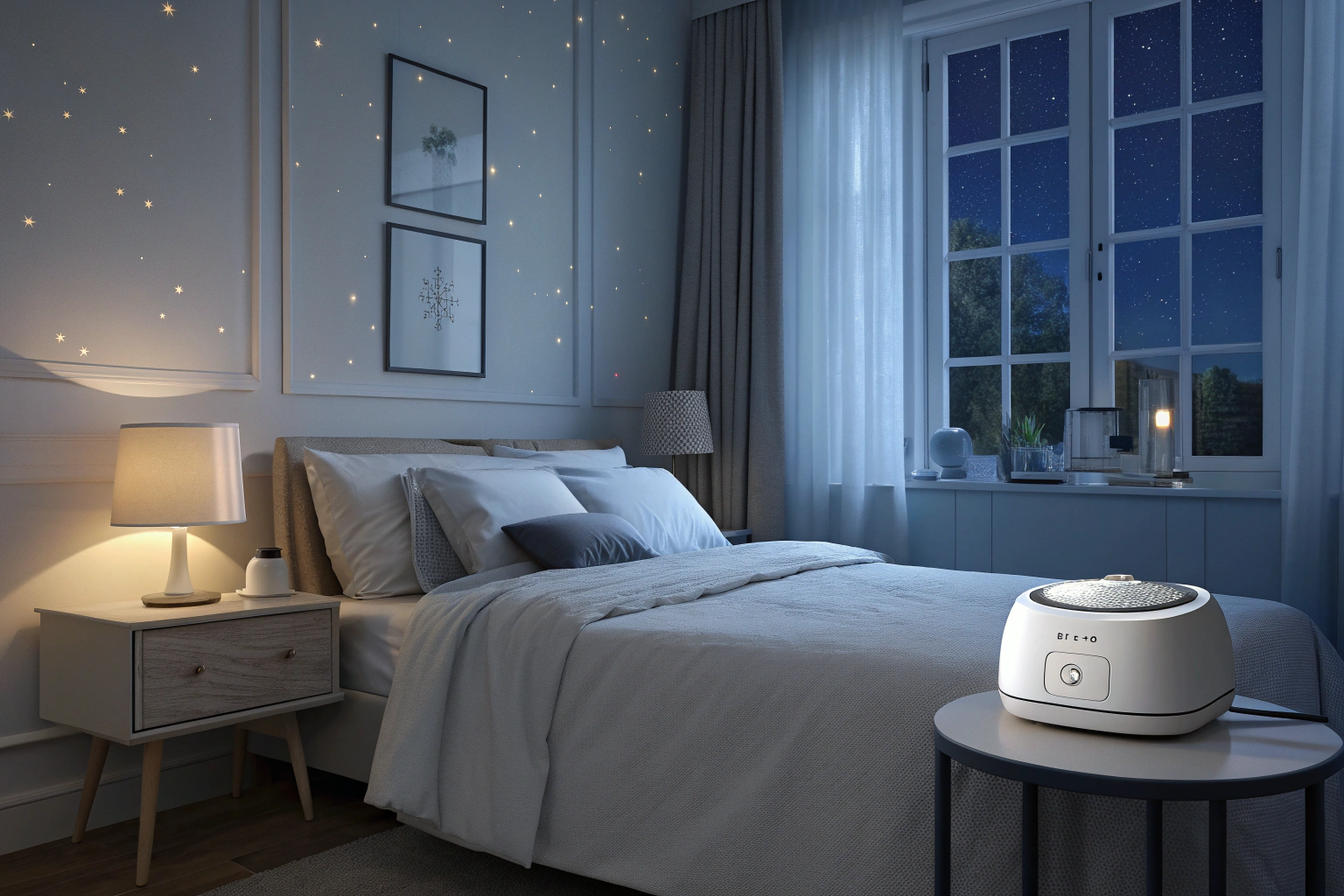
Not all white noise is suitable. Softer, lower-frequency sounds — like pink or brown noise — are often better tolerated by seniors with cognitive decline.
These profiles feel less sharp than standard white noise and help create a calming sensory environment.
| Sound Profile | Characteristics | Suitability for Dementia Care |
|---|---|---|
| White Noise | Even frequency distribution | May be too bright for sensitive ears |
| Pink Noise | Softer high tones, natural feel | Gentle and calming |
| Brown Noise | Deep, low-frequency tones | Very grounding and non-intrusive |
Machines with adjustable profiles help caregivers find what works best.
Why Machine Quality Matters in Dementia Environments

Dementia patients may react strongly to sound imperfections. A buzzing machine or sudden audio spike can trigger confusion or fear.
High-quality machines ensure smooth, stable sound without electrical noise or volume fluctuations that could disturb sensitive individuals.
| Engineering Feature | Impact in Dementia Settings |
|---|---|
| Stable amplifier output | Prevents loud spikes or dropouts |
| Low-frequency smoothness | Delivers calming, non-jarring sound |
| Internal noise suppression | Eliminates circuit hiss and buzzing |
| Housing design | Prevents vibrations or physical distractions |
Sound consistency is verified through overnight simulation in quiet test chambers.
How Can Custom Features Improve Dementia Care?
Customized control options improve caregiver convenience and safety for the user.
Timers, sound memory, and locked controls help prevent accidental setting changes while ensuring consistent audio support.
| Feature | Role in Dementia Care |
|---|---|
| Timer settings | Limits sound duration to avoid overuse |
| Volume memory | Maintains safe, comfortable listening levels |
| Profile lock | Prevents accidental changes |
| Night mode indicator | Ensures non-disruptive visual cues |
These features are integrated at the factory level based on use case testing in care settings.
Conclusion
White noise can support dementia care by reducing environmental confusion, stabilizing sleep, and providing a calm sensory backdrop. It is most effective when used at safe volumes with smooth sound profiles suited for elderly ears.
As a manufacturer of white noise machines, we build each device with consistent sound output, safe components, and thoughtful control features tailored for sensitive environments. All products undergo sound testing and overnight cycle trials to meet healthcare-grade reliability. We welcome care facilities and partners to visit our factory, review product designs, and explore tailored solutions for elder wellness and dementia care.