

White noise is useful for falling asleep — especially in noisy homes — but some people eventually want to sleep without it. How do you stop using it without disrupting your sleep?
To wean off white noise, gradually lower the volume, shorten the playback time, or switch to softer sound types like pink noise or nature sounds.
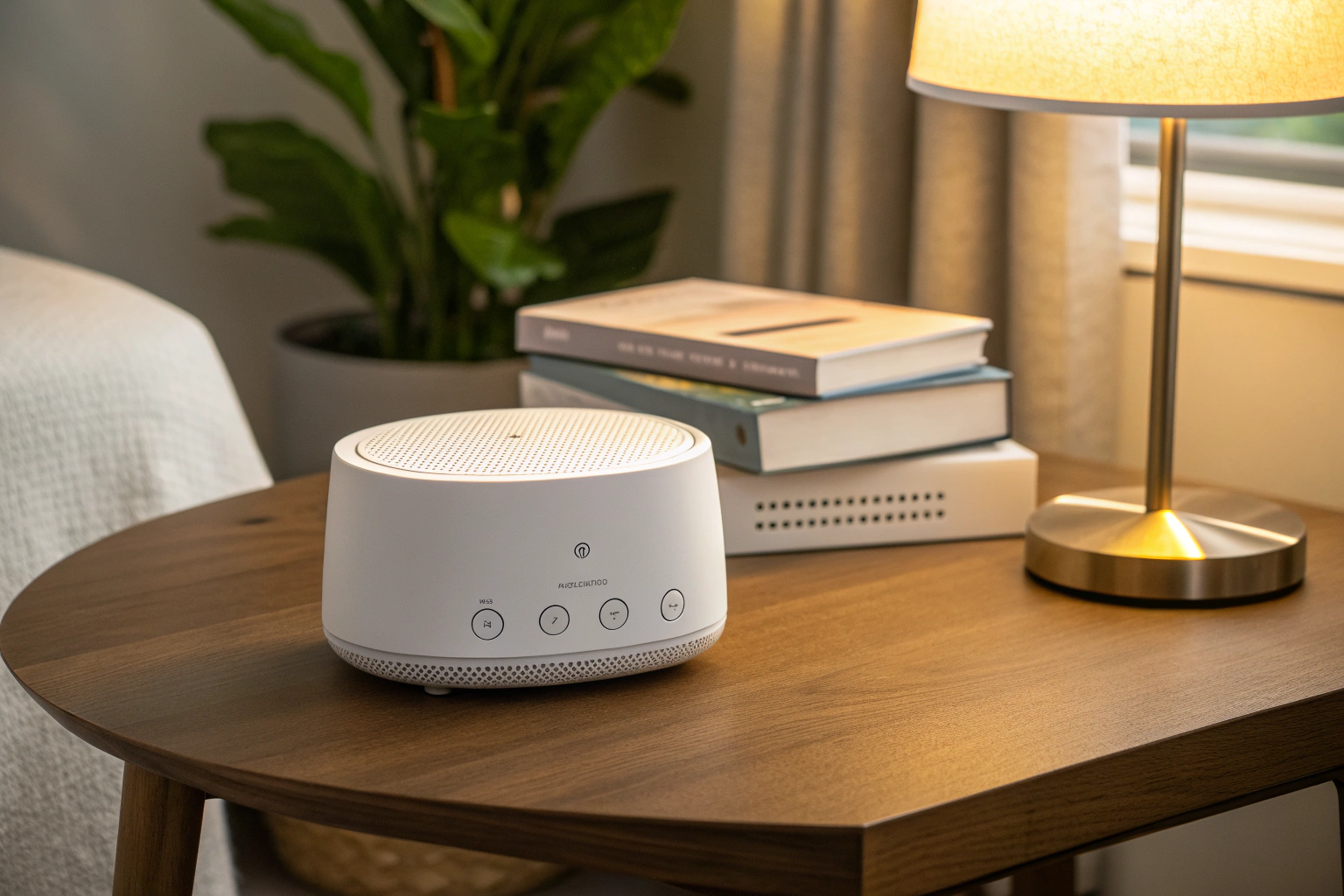
This guide explains how to reduce white noise dependency step by step, and how manufacturers design machines that support a smooth transition.
Why Do People Want to Stop Using White Noise?
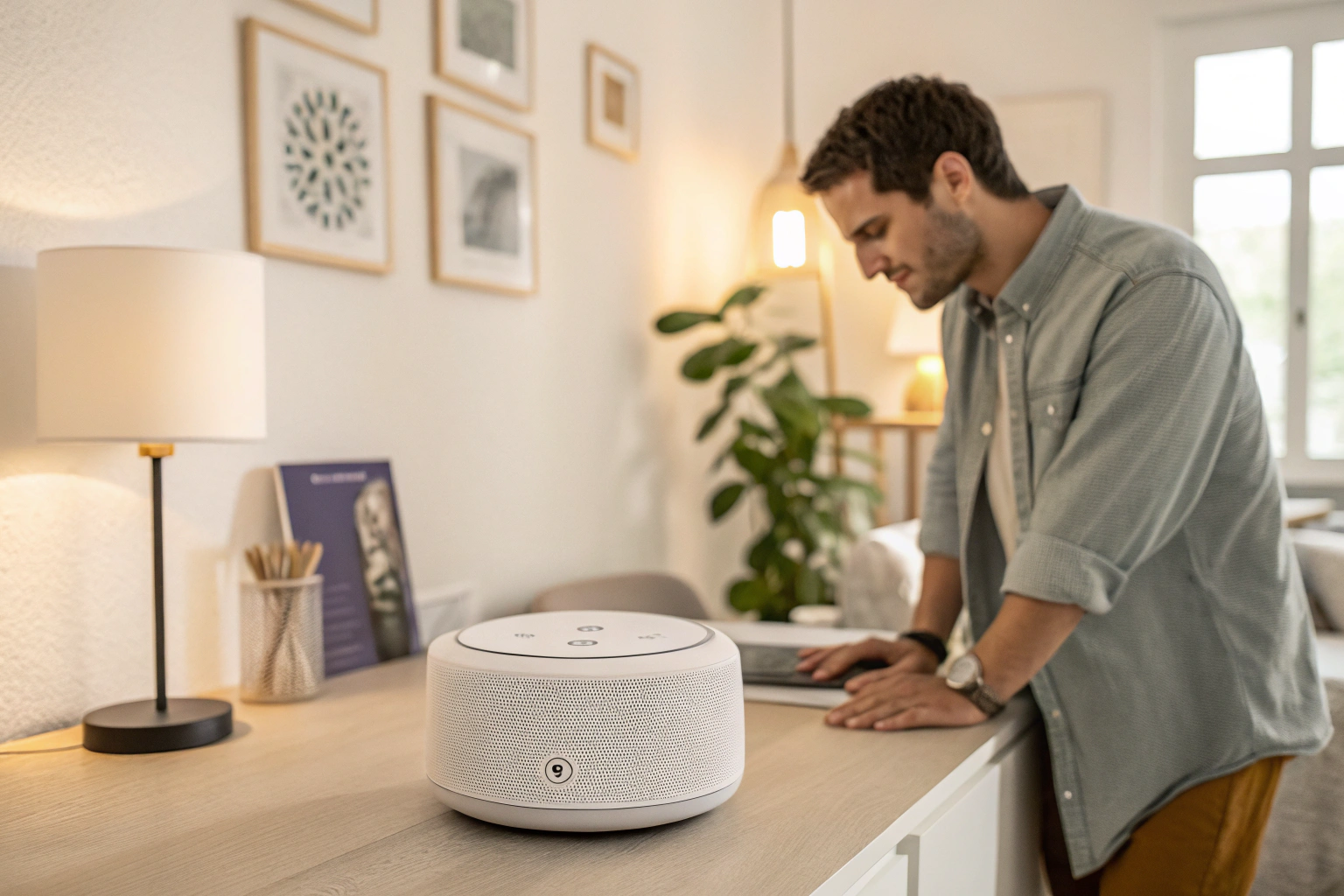
White noise can become a sleep habit. But some users want to stop because of travel, room sharing, or fear of overdependence.
Many choose to wean off when sleep improves or when a quieter environment becomes available.
| Reason | Motivation for Weaning |
|---|---|
| Travel difficulties | Device not always available or portable |
| Child outgrows the need | Natural sleep becomes easier |
| Concerns about habit | Wanting to sleep well in any setting |
| Bedroom becomes quieter | Less outside noise to mask |
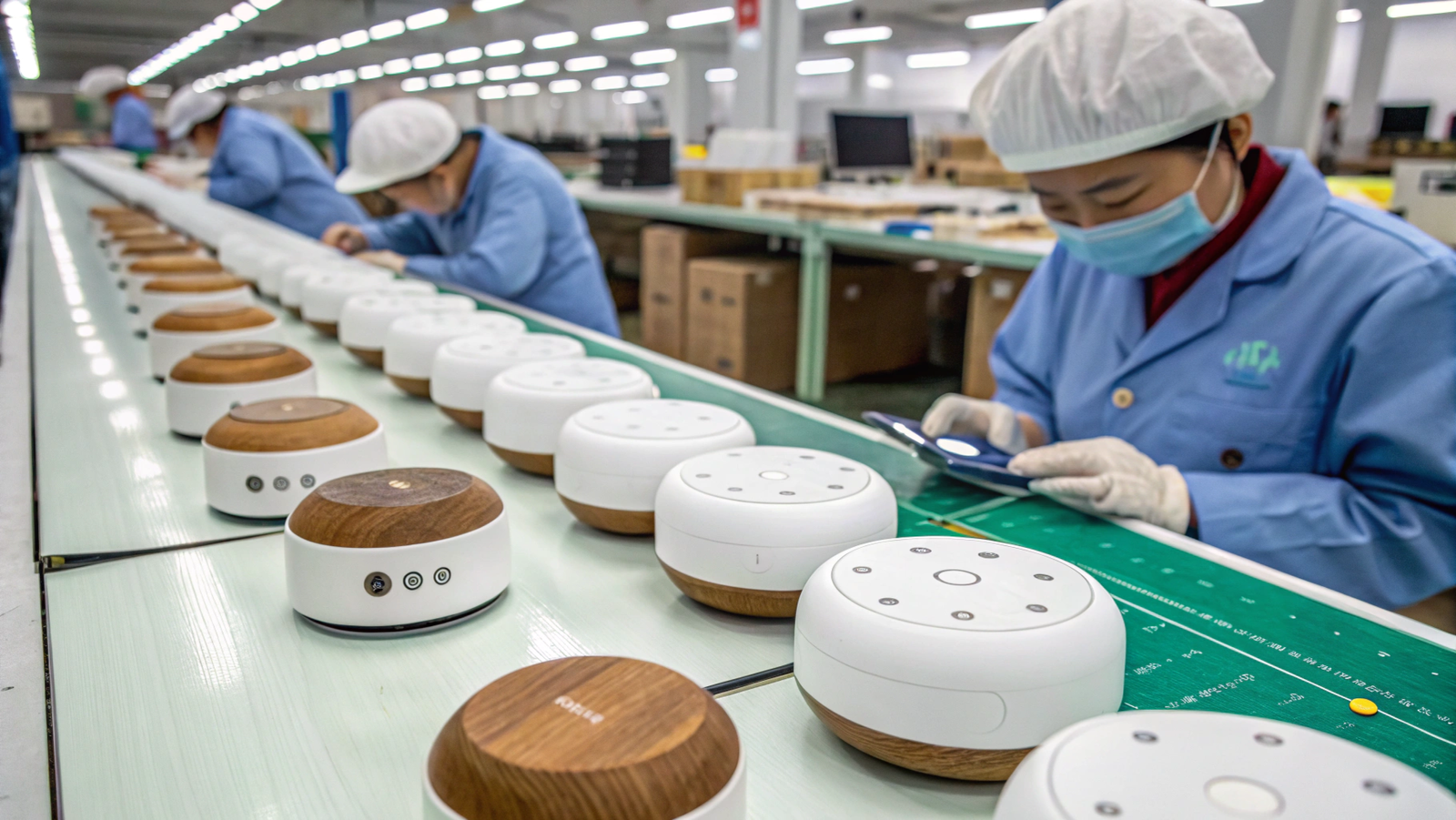
We design our white noise devices with timers and fade-out features to support gradual detachment.
What’s the Best Way to Start Weaning Off?
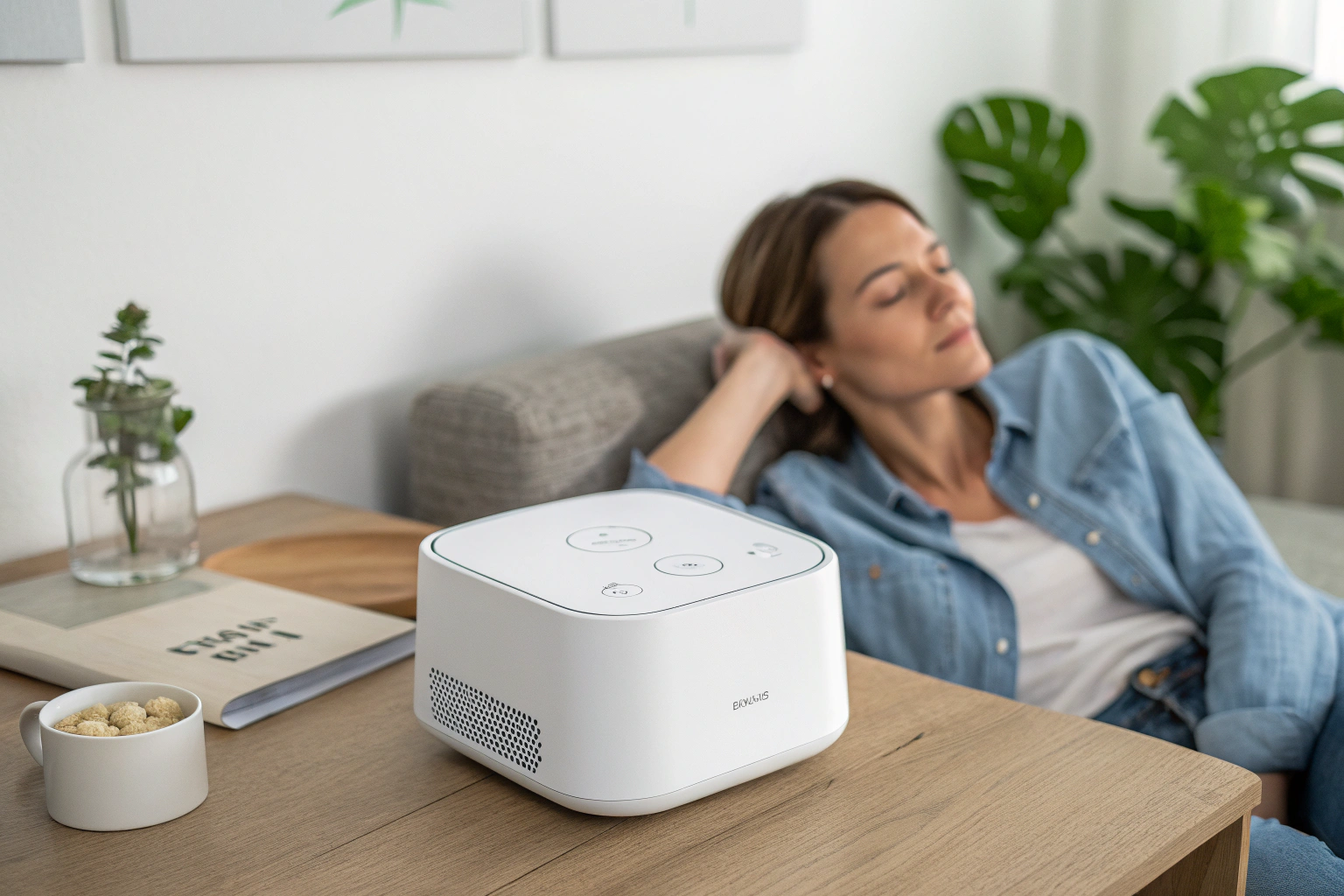
You don’t have to quit cold turkey. Reducing exposure slowly is more effective and less disruptive to sleep.
Begin by lowering the volume every few nights, or set a timer so the sound turns off before morning.
| Step | What to Do |
|---|---|
| Lower volume | Reduce by 10–15% each week |
| Use timer | Start with 4–6 hours, then reduce to 1–2 hours |
| Shift sound profile | Move from white to pink or brown noise |
| Sleep test nights | Try a night or two without the machine |
This gradual method prevents stress or sudden sleep disruptions.
Can You Replace White Noise With Natural Sounds?
Switching to nature-based sounds like rain or wind can help make the transition feel more natural.
These sounds are easier on the ears and don’t have the sharp edges of traditional white noise.
| Natural Alternative | Benefit During Transition |
|---|---|
| Rainfall | Steady and calming, less intrusive |
| Ocean waves | Mimics pink noise with soft rise-and-fall pattern |
| Wind or forest sounds | Random but soft soundscape |
Our machines include multiple ambient options and custom modes that allow slow shifts over days or weeks.
How Long Does It Take to Fully Wean Off?
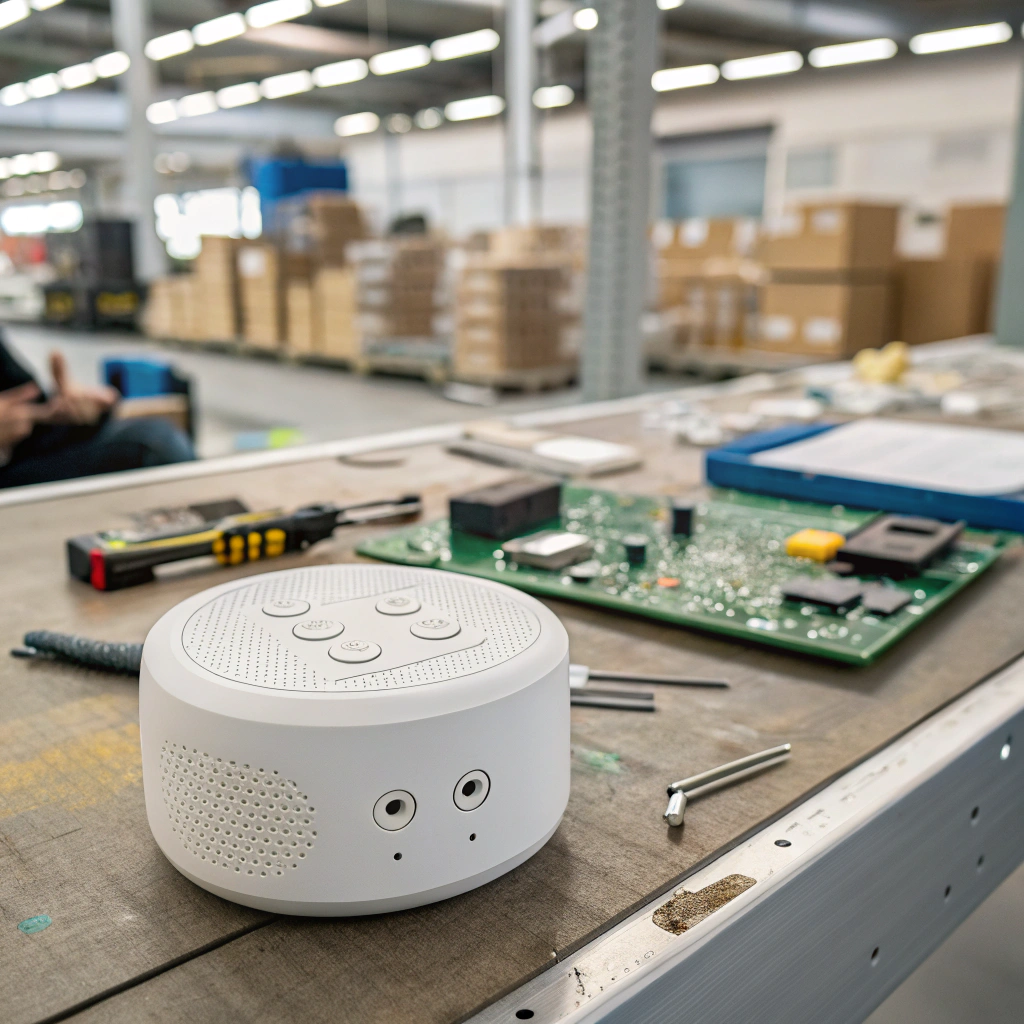
There’s no universal timeline, but most people adjust within 2–4 weeks when changes are gradual.
Sleep quality may dip slightly at first but improves as the body adjusts to silence or natural rhythm.
| Week | Suggested Change |
|---|---|
| 1 | Volume reduction, use of 6-hour timer |
| 2 | Shift to pink noise or ambient nature sounds |
| 3 | Timer down to 1–2 hours, silence for last part of night |
| 4 | Test full nights without sound |
It’s important to keep other sleep factors stable — bedtime, lighting, and screen exposure.
Conclusion
You can safely stop using white noise by lowering the volume over time, setting timers, and switching to softer sounds. Most users transition in a few weeks with minimal disruption.
We build our machines with built-in features like fade-out, ambient alternatives, and sound memory to support flexible use. You’re welcome to visit our factory to explore our engineering and customization services.