

White noise helps babies fall asleep faster and stay asleep longer. But many parents wonder — how loud is too loud?
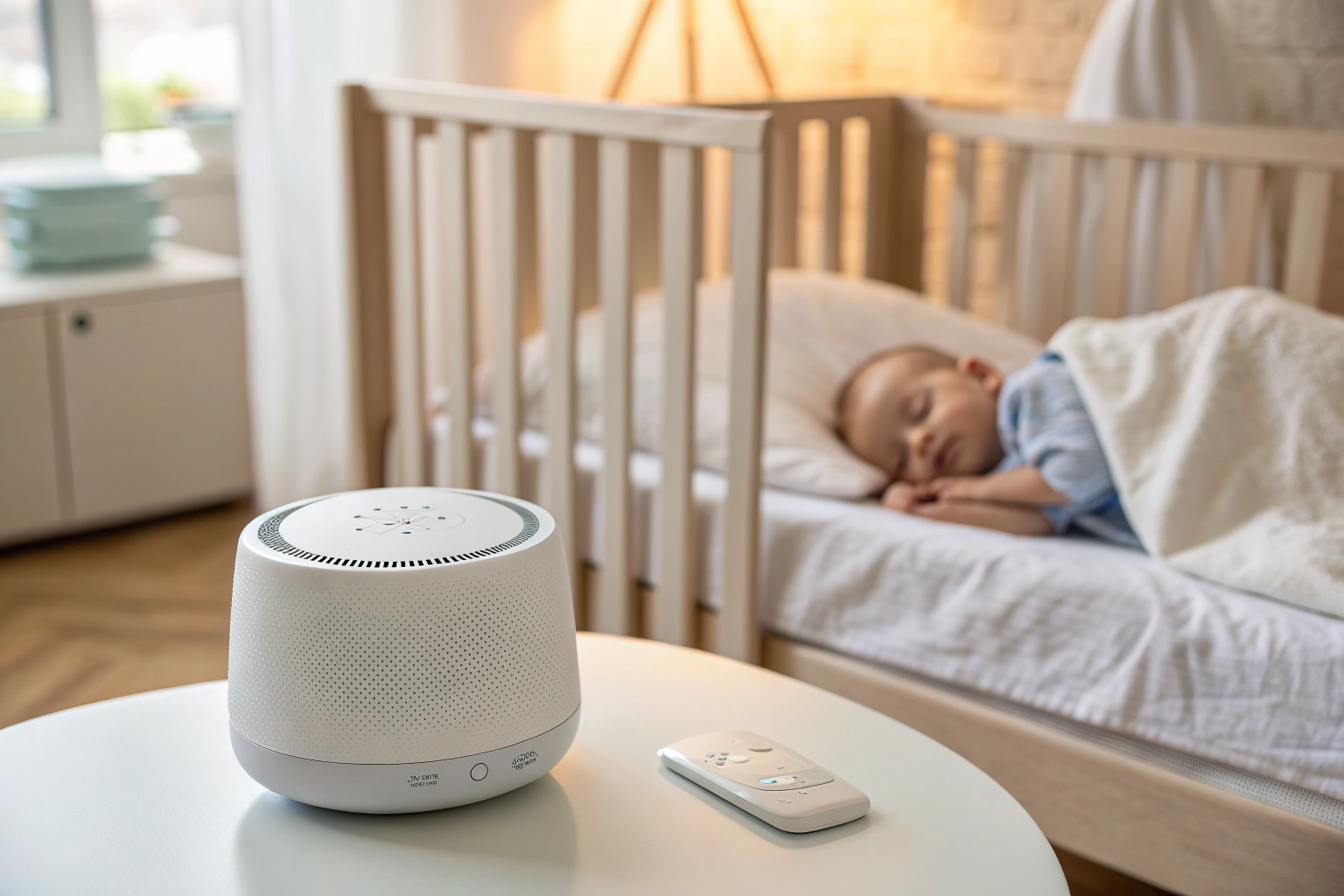
A white noise machine for babies should not exceed 50 decibels, measured from the crib. This level mimics a soft shower and is safe for infant hearing.
" )
)
Keeping sound levels safe protects developing ears while still offering effective noise masking for better rest.
Why Use White Noise for Babies at All?
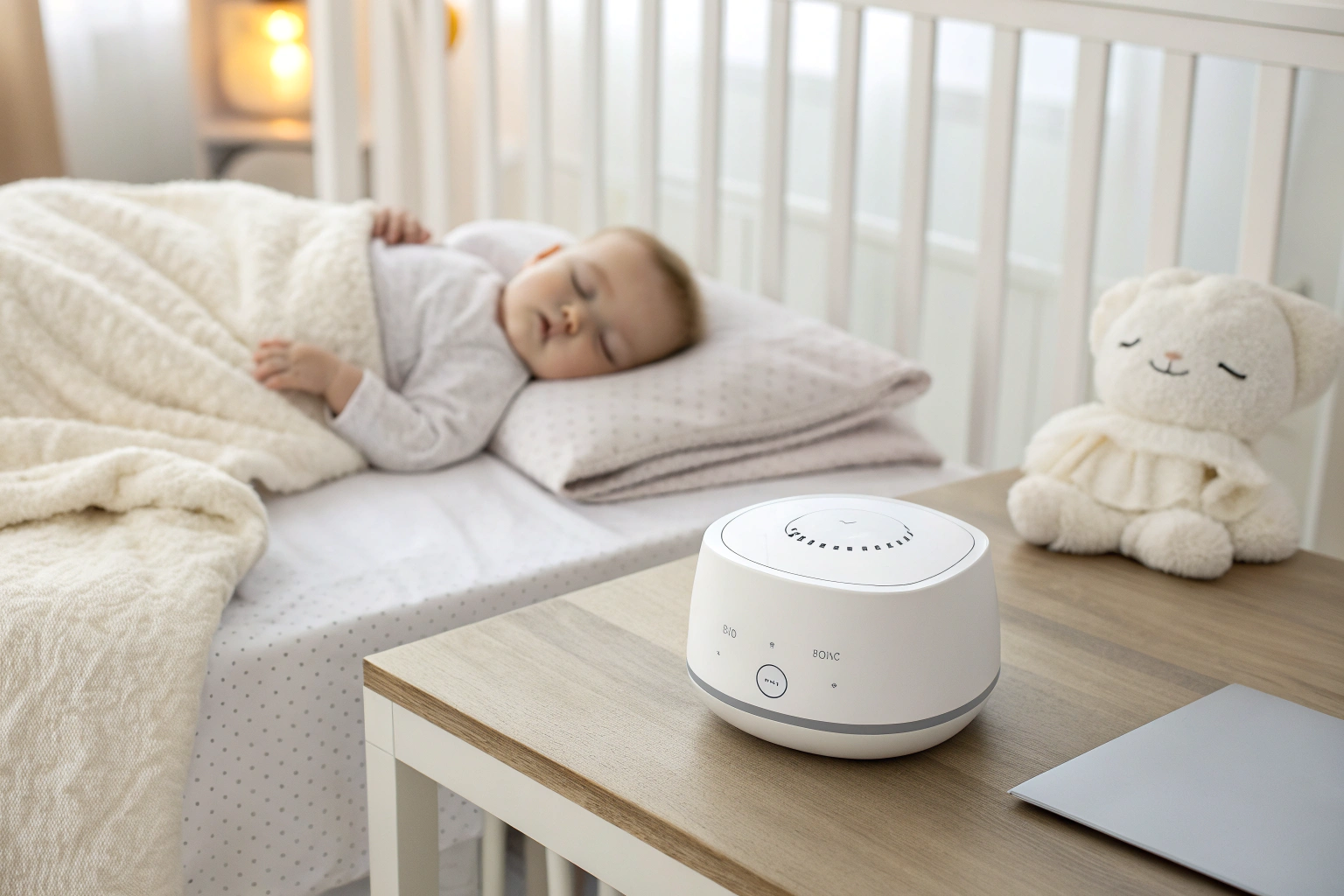
Babies come from a noisy womb environment — silence can actually be unsettling.
White noise mimics the constant, muffled sounds heard in utero, calming babies and helping them sleep more deeply.
| Benefit | Result |
|---|---|
| Reduces startle reflex | Fewer night wakings |
| Masks household noise | Protects naps from interruption |
| Creates sleep association | Becomes part of bedtime routine |
It’s especially helpful during naps, regressions, or when babies are overtired.
What’s the Ideal Decibel Range for Baby White Noise?
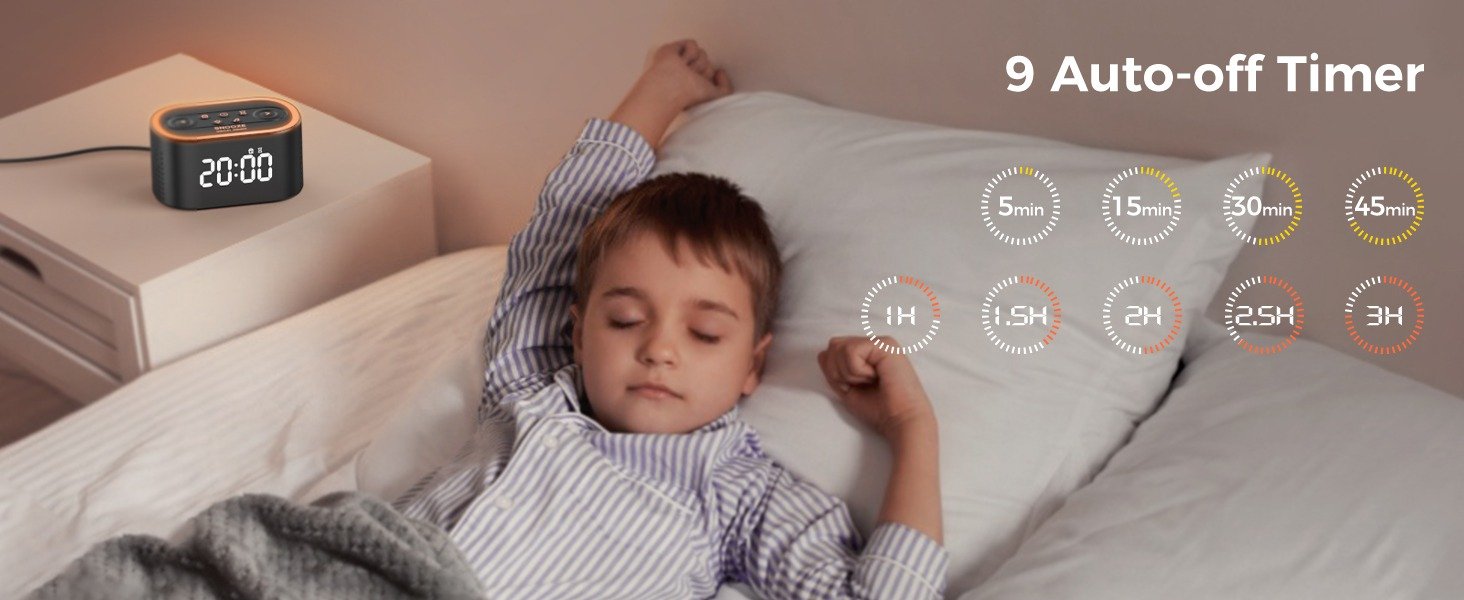
Medical and pediatric organizations recommend a maximum volume for infant sleep environments.
Keep the machine below 50 dB — about the sound of gentle rainfall — to avoid overstimulation or hearing damage.
| Decibel Level (dB) | Description | Safe for Babies? |
|---|---|---|
| 30–40 dB | Soft ambient, ideal for infants | ✅ Yes |
| 40–50 dB | Normal recommended limit | ✅ Yes (short-term OK) |
| Over 50 dB | Vacuum-level loudness | ❌ Too loud |
Always test volume from inside the crib — not from across the room.
How Should You Set Up the Machine?
Proper setup is just as important as choosing the right volume.
Place the machine at least 2 meters (6 feet) away from the baby’s head and never inside the crib.
| Setup Tip | Reason |
|---|---|
| Distance from crib | Reduces risk of direct sound exposure |
| Direction of speaker | Face away or toward the room, not at the baby |
| Timer use (optional) | Gradually phase out as baby ages |
Many machines come with nightlight features or timers that make them more suitable for nurseries.
What Type of White Noise Is Best for Infants?
Harsh or high-pitched noise may irritate infants. Smooth, low-frequency sounds are most calming.
Pink or brown noise is softer and more womb-like than sharp, static-heavy white noise.
| Sound Type | Best For |
|---|---|
| Pink noise | Calm newborns and light sleepers |
| Brown noise | Soothing colic or overtired infants |
| White noise | Good general masker, use at safe volume |
Avoid machines that loop poorly or spike in volume.
How Manufacturing Impacts Baby Safety
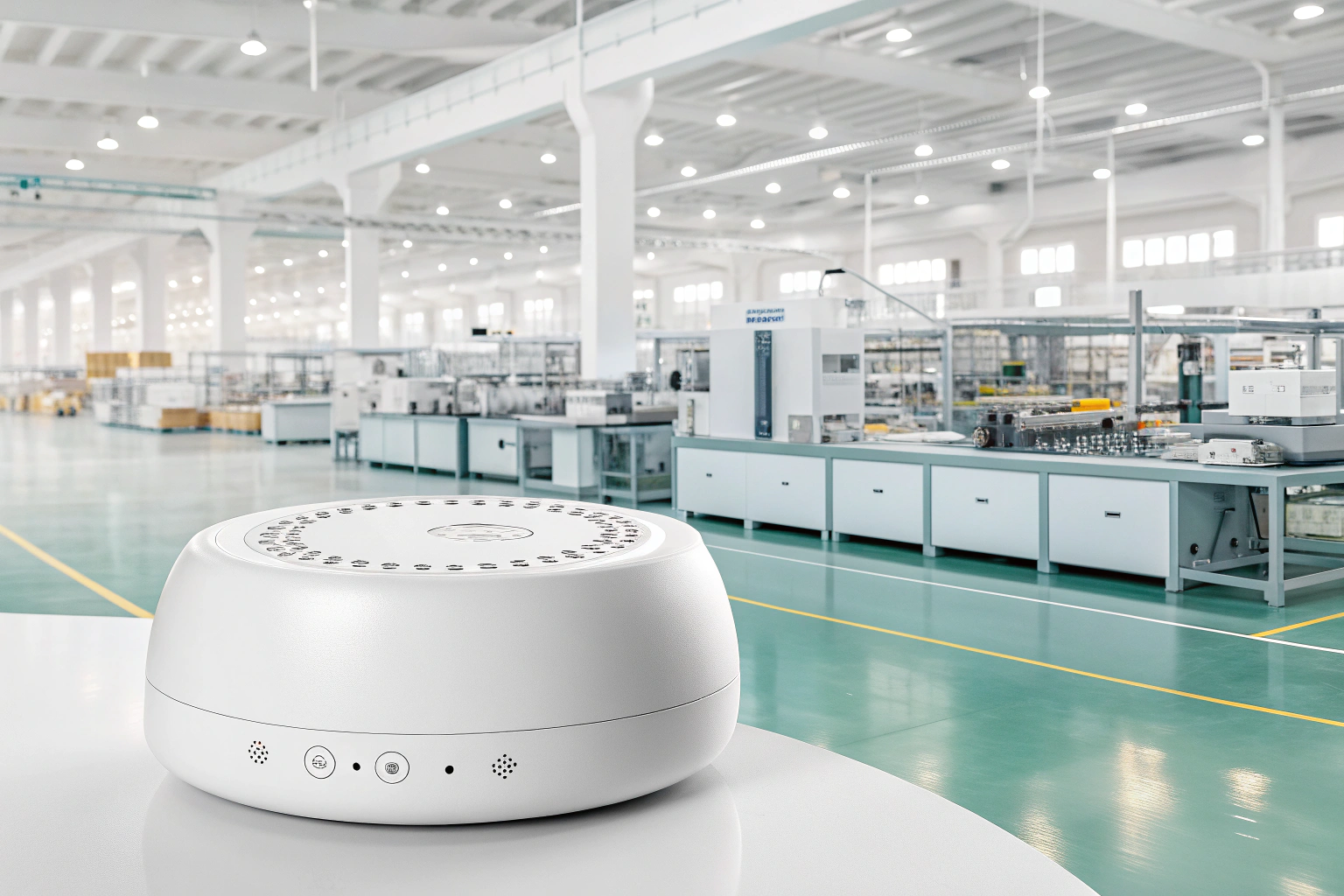
Babies are sensitive to both sound quality and device design. Cheap machines may distort or emit unsafe frequencies.
Professionally manufactured machines ensure stable volume, soft frequency profiles, and certified safety for extended infant use.
| Factory Feature | Baby Sleep Benefit |
|---|---|
| Volume-limited output | Prevents accidental loud settings |
| Certified plastics/materials | Safe near baby environments |
| Non-looping, smooth output | Prevents jarring transitions during sleep |
| Endurance testing | Supports 8–12 hour overnight use |
Our factory offers custom nursery sound solutions, including OEM branding and safety certifications like CE and FCC.
Conclusion
A white noise machine set below 50 decibels and placed at a safe distance can be a powerful tool to improve infant sleep. With the right sound type, setup, and manufacturing quality, white noise supports longer rest and better routines — without harming delicate hearing.
We design and produce safe, nursery-friendly white noise machines using precision acoustic engineering. From soft sound curves to safety-tested components, our products support healthy infant development. Clients are welcome to visit our factory and create custom white noise machines for baby-focused brands and markets.