

White noise is a common solution for those affected by external noise while sleeping. But many wonder — is it safe or healthy to keep it on all night? This article examines expert opinions, safety factors, and technical insights from manufacturing.
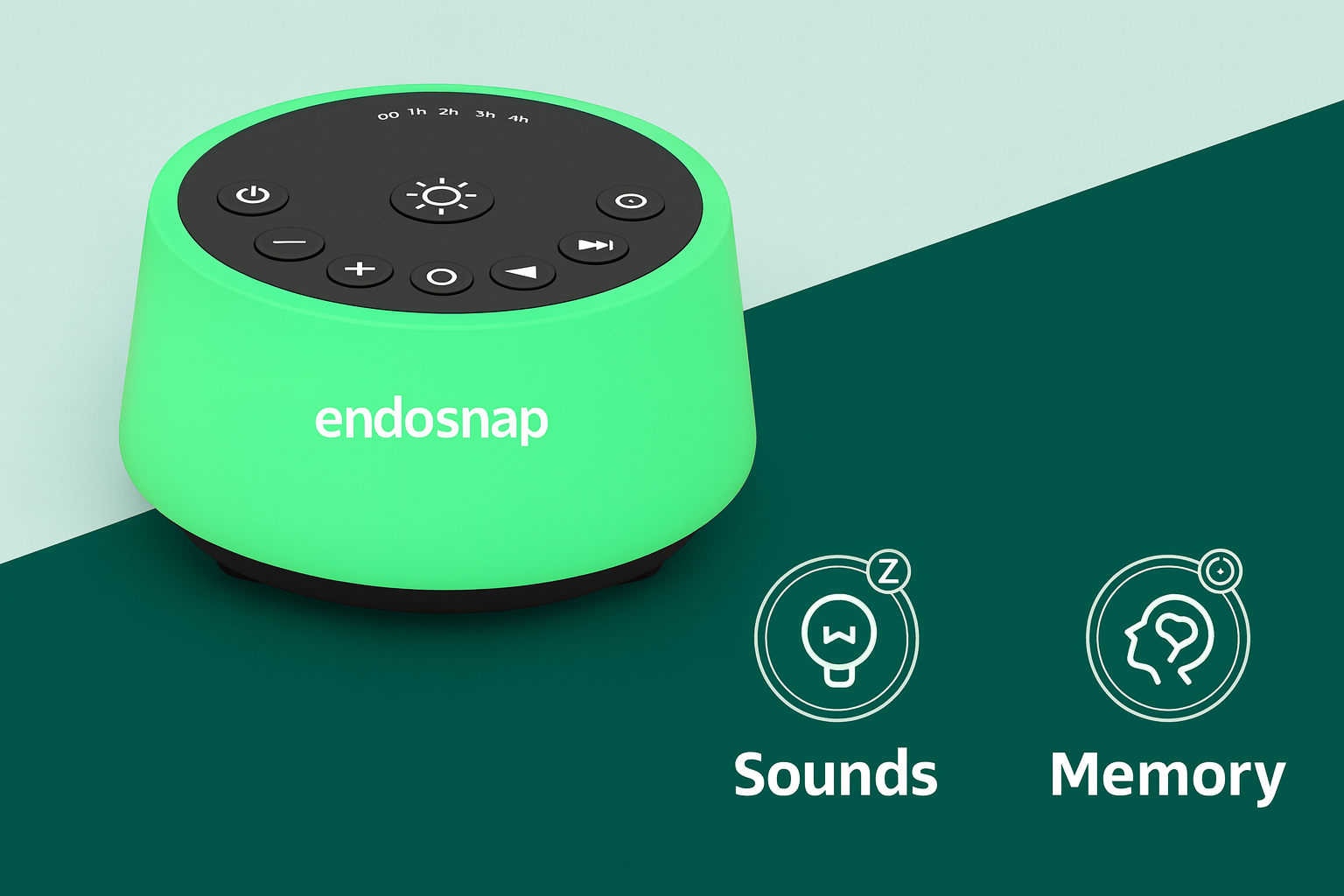
Leaving white noise on all night is generally safe for adults at low volume. However, overuse, excessive volume, or poor-quality devices may disrupt sleep or cause auditory fatigue.
The decision to use white noise overnight depends on user sensitivity, environment, and device quality. It is not simply a question of “yes or no,” but of “how” — including volume control, sound spectrum, and operational stability. This article breaks down key considerations for both consumers and manufacturers.
What Are the Risks of Leaving White Noise On All Night?
White noise can promote deeper sleep in noisy areas, but long-duration exposure carries some risks. Continuous sound may affect the auditory system or interfere with certain sleep stages.
Potential issues include hearing strain, REM cycle disruption, and psychological dependence when machines are used all night without controls.
Common Concerns
| Risk Type | Description |
|---|---|
| Hearing stress | High-volume or harsh frequencies may cause discomfort |
| Sleep cycle impact | Prolonged exposure may interfere with natural REM rhythm |
| Device reliability | Poor-quality units may produce electrical hum or spikes |
| Dependence risk | Some users may become unable to sleep without noise |
Not all users experience these effects, but risk increases with poor device design or excessive volume settings.
What Do Sleep Experts Recommend About Overnight Use?
Clinical advice supports the use of white noise under certain conditions. Experts emphasize moderation and sound quality, rather than full-night exposure without oversight.
Experts advise using white noise for sleep onset and early sleep maintenance, with reduced need in later stages of the night.
Sleep medicine professionals often recommend:
- Using a machine with a timer (30–120 minutes)
- Limiting volume to under 50 dB (similar to gentle rain)
- Selecting sound profiles like pink or brown noise for smoother tones
- Avoiding high-pitched, sharp, or static-heavy sounds overnight
These guidelines help preserve natural auditory rest while maintaining the benefits of acoustic masking.
How Does Sound Quality and Volume Influence Overnight Safety?
The quality of sound emitted by a white noise machine has a direct impact on how the body and brain respond during sleep. Improper sound balance or loud output increases the risk of auditory stress.
Safe overnight use requires stable, evenly distributed sound at low decibel levels, avoiding sudden volume changes or frequency spikes.
Safe Audio Settings
| Setting | Recommended Value/Description |
|---|---|
| Volume | Below 50 dB (measured at bed distance) |
| Frequency profile | Even, smooth output — no sharp highs or static |
| Output stability | No hissing, flicker, or electrical distortion |
| Duration | Optional timer or manual shutdown recommended |
Machines must be designed with high-precision acoustic drivers and tested in lab environments to ensure sound fidelity. Fluctuating or harsh sound is a sign of poor component or circuit quality.
Why Manufacturing Quality Matters for All-Night White Noise Use
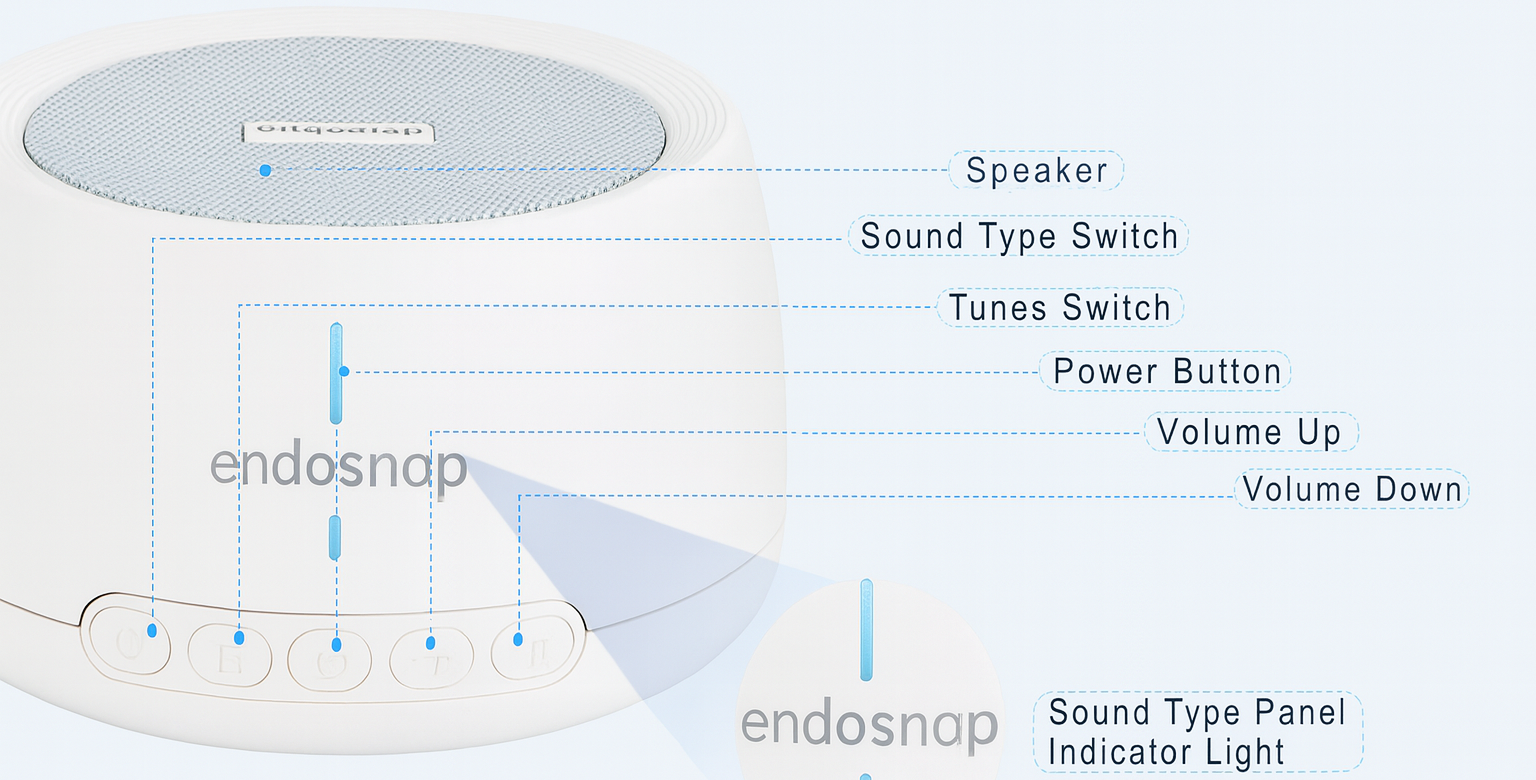
For all-night use, the build quality of white noise machines becomes even more critical. Extended use increases wear on components and exposes any acoustic or electronic instability.
High-end manufacturing ensures continuous output without noise drift, electric interference, or volume fluctuation — all crucial for overnight use.
Key Manufacturing Features for All-Night Safety
| Component | Function |
|---|---|
| Heat-resistant circuits | Maintain stable operation during long durations |
| Calibrated speaker cones | Deliver consistent, smooth sound without distortion |
| Quiet PCB layout | Reduces hum, buzz, or frequency shift during operation |
| Certifications | CE, FCC, RoHS to meet safety compliance |
Production lines with ISO 9001 quality systems and advanced acoustic chambers can simulate overnight use scenarios to stress-test performance. These tests ensure long-term reliability and user safety.
When Is It Better to Use Timed White Noise Instead?
In some environments, using a white noise machine for only part of the night is more effective than full-night playback. Situational awareness can guide this decision.
Timed playback helps reduce sensory fatigue and supports more natural sleep transitions, especially when external noise is no longer a factor during deep sleep.
Scenarios that benefit from timed use:
- Environments where outside noise is limited to early night hours
- Light sleepers who only need masking during sleep onset
- Rooms where total silence is restored after midnight
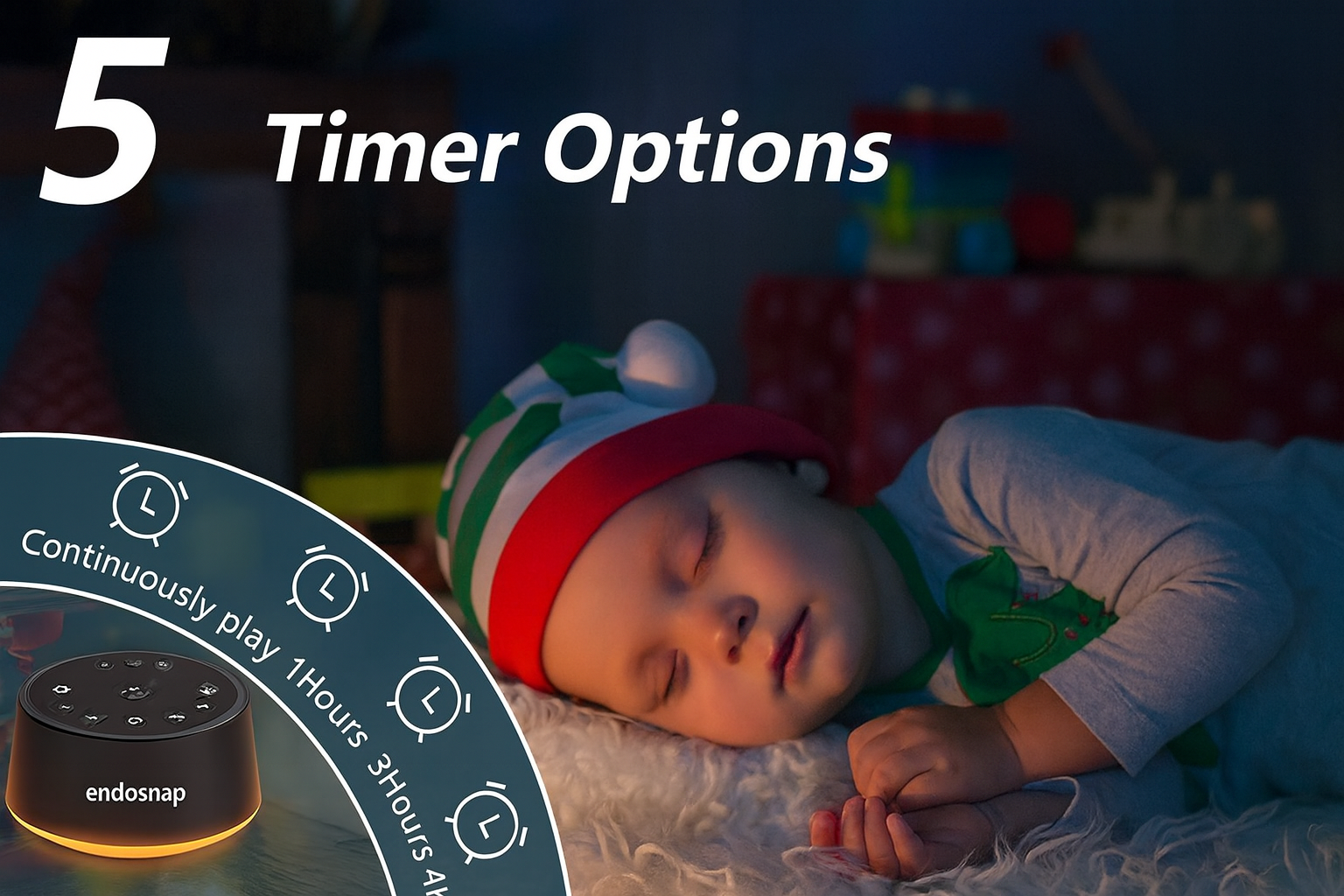
Smart machines with timer settings or automatic fade-out functions provide flexible operation without requiring user intervention mid-sleep.
Conclusion
Leaving white noise on all night is safe for many users when volume is controlled and sound quality is high. However, risks increase with poor acoustic design or improper usage. The healthiest approach involves low-volume, well-calibrated machines built for continuous operation. Manufacturers that emphasize stable output, safety certifications, and smart features ensure better long-term results. Timed playback may suit many users, offering the benefits of white noise without full-night exposure.
As a manufacturer integrating R&D, production, and export, each unit is designed with precision acoustic components and undergoes full performance testing before shipment. Production lines follow ISO 9001 standards, and devices are tested in acoustic labs for frequency accuracy, heat stability, and extended-use safety. Customization services are available for sound profiles, packaging, branding, and smart functionality. Partners are welcome to visit the factory, review the assembly process, and explore tailored product solutions for retail or distribution channels.