

White noise is widely used to help babies sleep better. But is it truly safe to let your baby sleep with it on every night?
White noise machines are safe for babies when used properly — at low volume, with safe placement, and with high-quality sound. Poor usage may lead to hearing strain or sleep dependency.
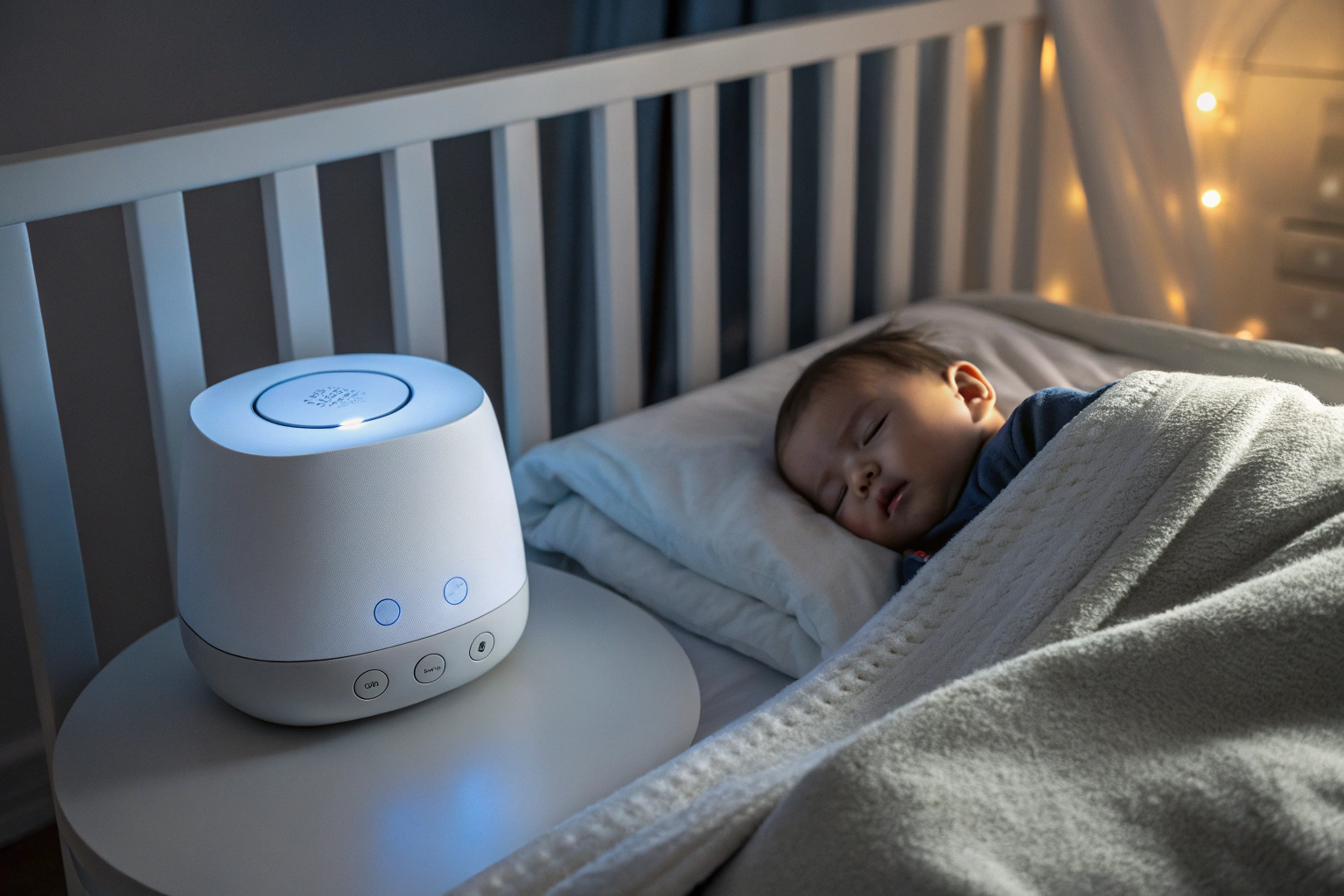
Understanding how to use white noise correctly is key to supporting healthy, restful sleep for infants.
What Are the Benefits of White Noise for Babies?
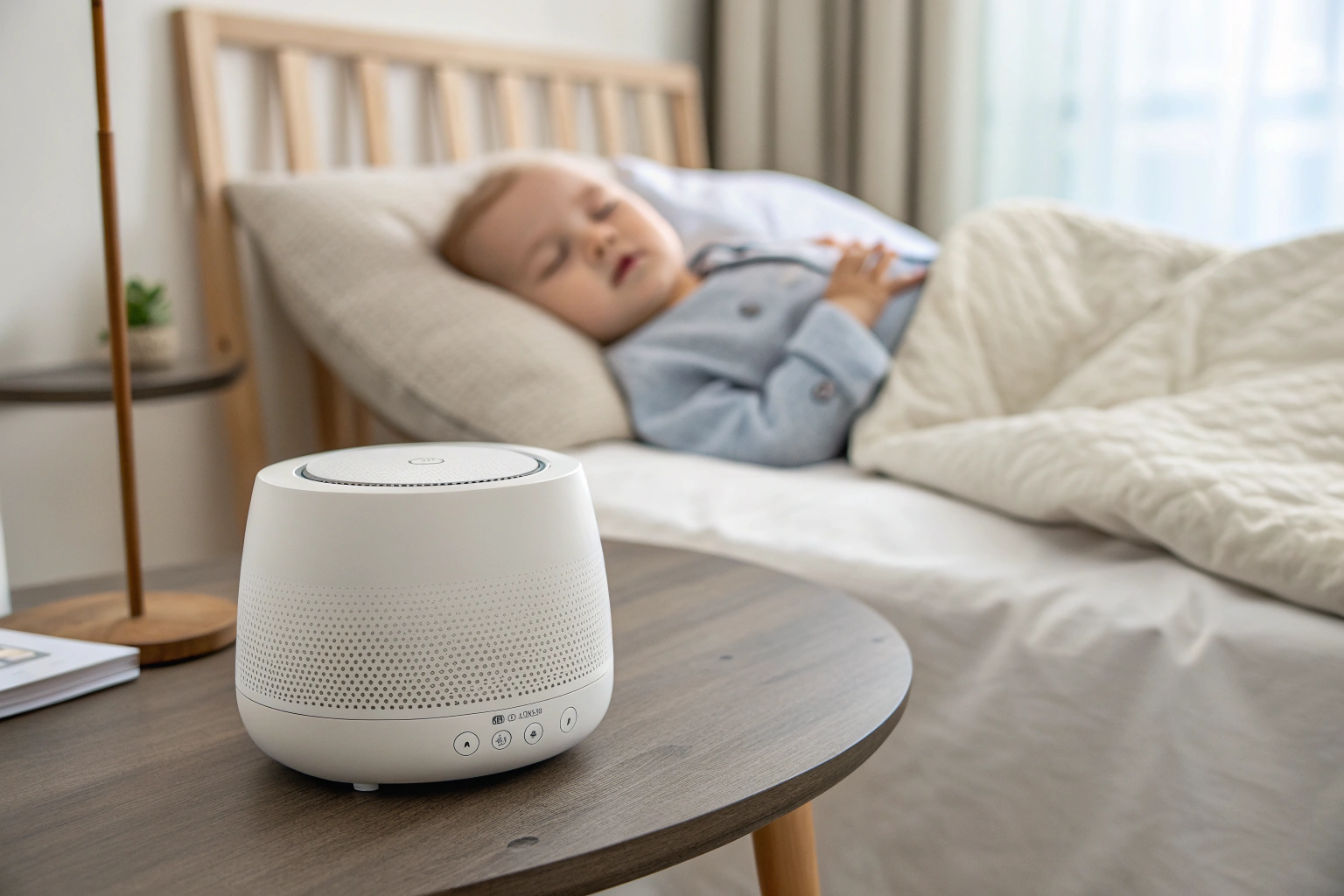
Babies are born into a loud world after nine months in the womb’s constant background noise. Sudden silence or household sounds can startle them.
White noise helps mask disruptive noise, supports longer sleep cycles, and reduces startle reflex — especially in the first few months.
| Benefit | Explanation |
|---|---|
| Mimics womb sound | Comforts newborns with familiar, low-frequency noise |
| Masks loud sounds | Reduces sleep interruptions from sudden external noise |
| Promotes longer naps | Creates a steady auditory environment for uninterrupted sleep |
Many parents use white noise during naps and nighttime to establish a consistent sleep routine.
How Loud Is Safe for Infants?
Hearing safety is one of the most important factors when using white noise around babies.
Experts recommend keeping the volume below 50 decibels and placing the device at least 2 meters (6 feet) from the crib.
| Setting | Recommended Value |
|---|---|
| Volume Level | Under 50 dB (similar to a soft shower) |
| Distance from Baby | Minimum 1.5–2 meters away |
| Duration | Sleep periods only; avoid continuous all-day use |
Devices should never be placed inside the crib or too close to the baby’s head.
What Risks Come With Improper Use?
Improper use of white noise machines may result in overstimulation or unwanted sleep dependency.
Excessive volume, poor sound quality, or overuse can impact hearing comfort or reduce a child’s ability to sleep without background sound.
| Risk Type | Description |
|---|---|
| Hearing sensitivity | High volumes or harsh frequencies can stress developing ears |
| Sleep dependency | Baby may struggle to sleep without noise |
| Auditory masking | Excessive use may limit exposure to natural language sounds |
Parents should observe the baby’s reactions and reduce use if signs of irritability or discomfort appear.
Manufacturing Considerations for Infant-Safe Devices
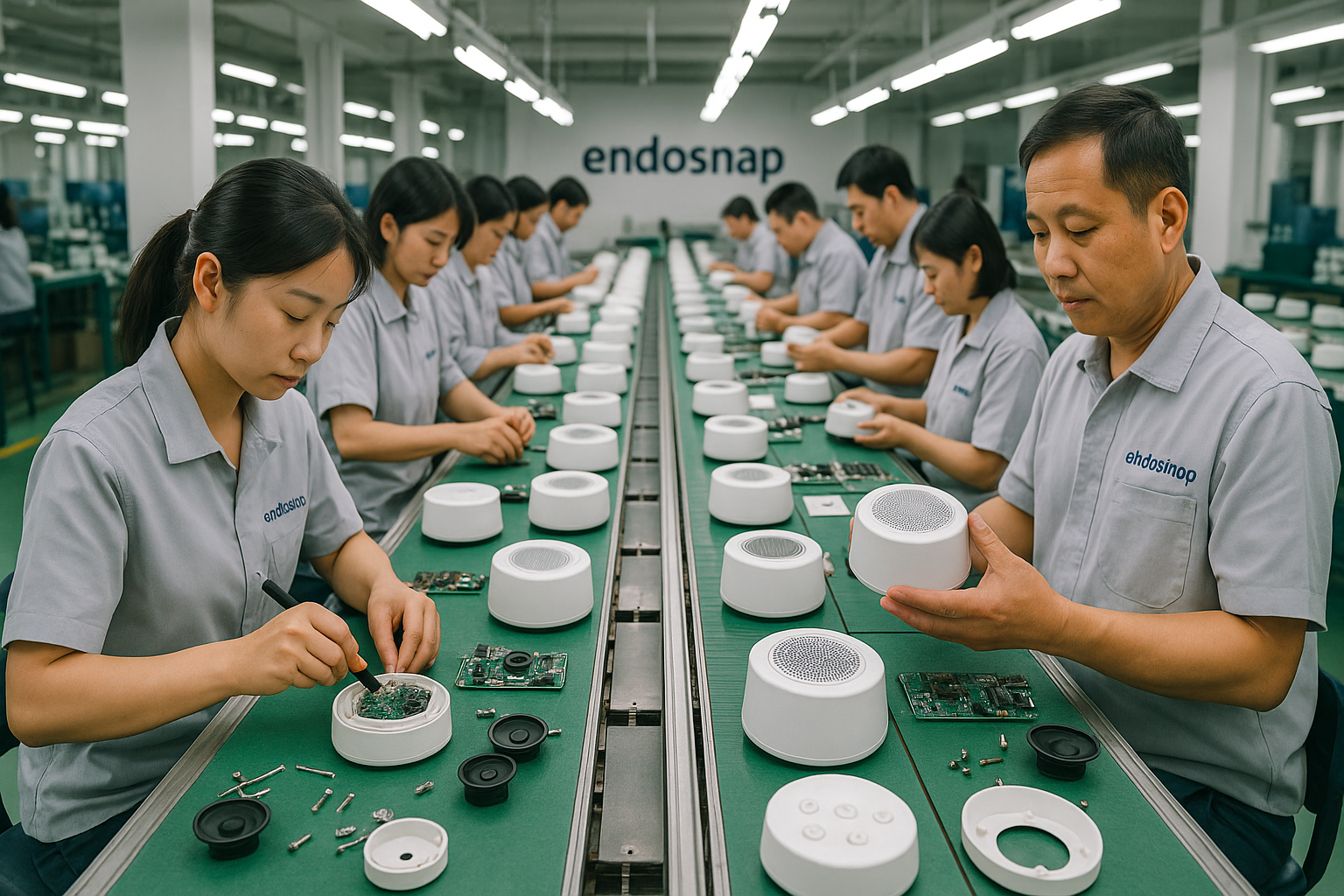
Safe use begins with safe design. Not all machines are made with babies in mind.
We design white noise machines with smooth frequency response, strict volume limits, and certified nursery-safe components.
| Feature | Function for Infant Use |
|---|---|
| Calibrated volume limit | Prevents unsafe sound pressure |
| Gentle sound profiles | Avoids harsh static or sharp tones |
| High-quality enclosures | Reduces buzz, overheating, or electromagnetic noise |
| Safety certifications | CE, FCC, RoHS compliant materials and electronics |
Each unit is tested in acoustic chambers to ensure sound balance and continuous-use stability.
When Should White Noise Be Weaned?
White noise isn’t meant to be a permanent sleep solution.
As babies grow, especially after 12 months, it’s good to begin phasing out white noise to support natural auditory development.
| Baby’s Age | Suggested Approach |
|---|---|
| 0–6 months | Use for naps and bedtime with safe settings |
| 6–12 months | Use as needed; begin reducing dependency |
| 12+ months | Gradually fade use to encourage natural adaptation |
Use of timers and fade-out features can help ease the transition.
Conclusion
White noise machines are a helpful sleep aid for babies when used correctly — low volume, safe placement, and soothing frequencies are essential. They reduce sleep disruptions and create a calming environment during a baby’s early months.
As a manufacturer of white noise machines, we ensure that every device is designed for infant safety and comfort — from smooth audio profiles to certified materials. Our factory supports custom development for baby-focused sleep products and invites partners to explore on-site testing, OEM customization, and bulk order capabilities for nursery use.