

Overthinking often leads to mental restlessness and disrupted focus. Many turn to white noise as a way to calm racing thoughts, but does it really help?
White noise can help reduce overthinking by masking distracting stimuli and creating a consistent auditory environment that supports mental relaxation and focus.
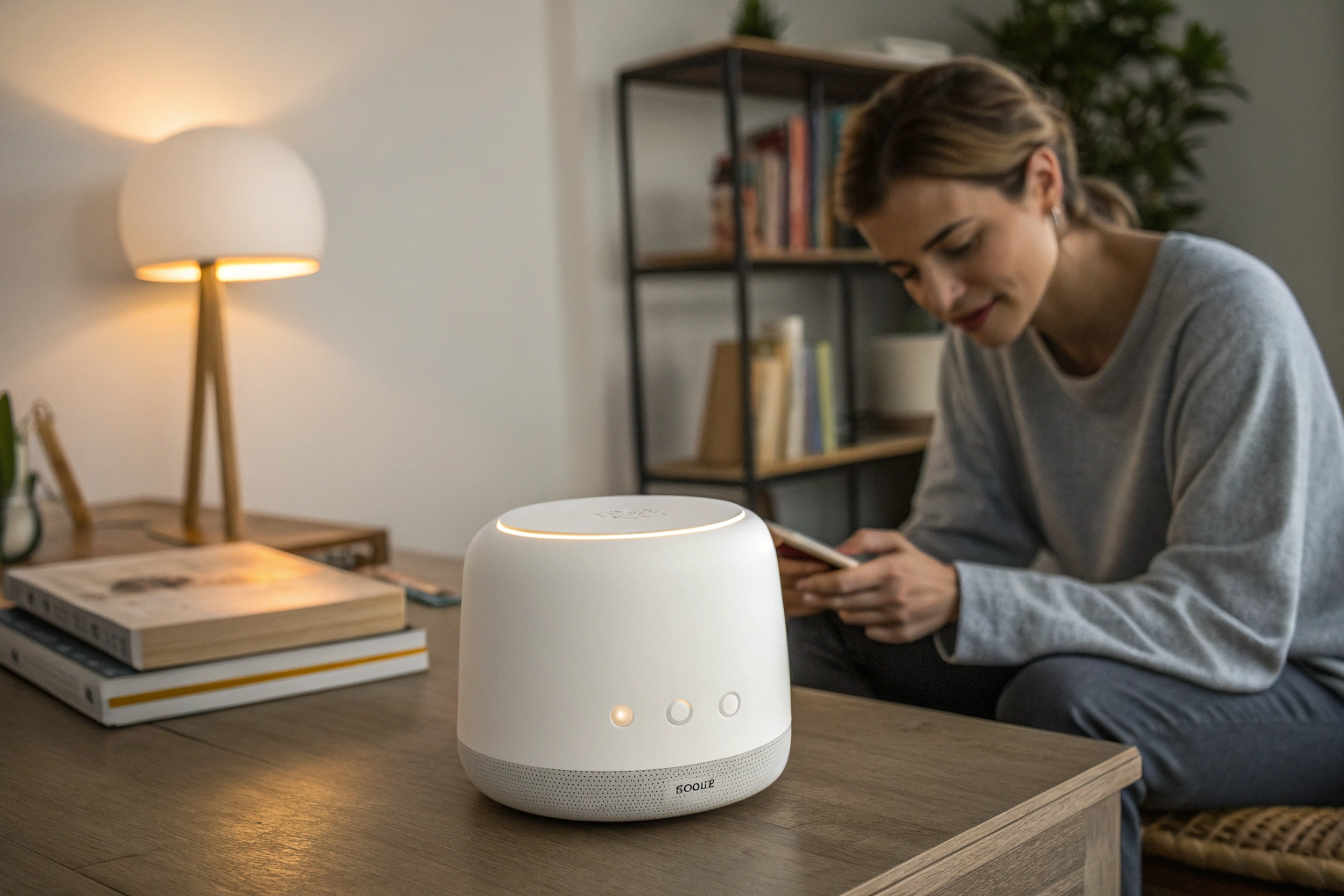
Overactive thoughts can be triggered by silence or unpredictable sounds. White noise works by filling the auditory space, which reduces the brain’s tendency to latch onto random inputs. This article explores how it works and how proper design enhances its effects.
How Does White Noise Affect the Thinking Process?
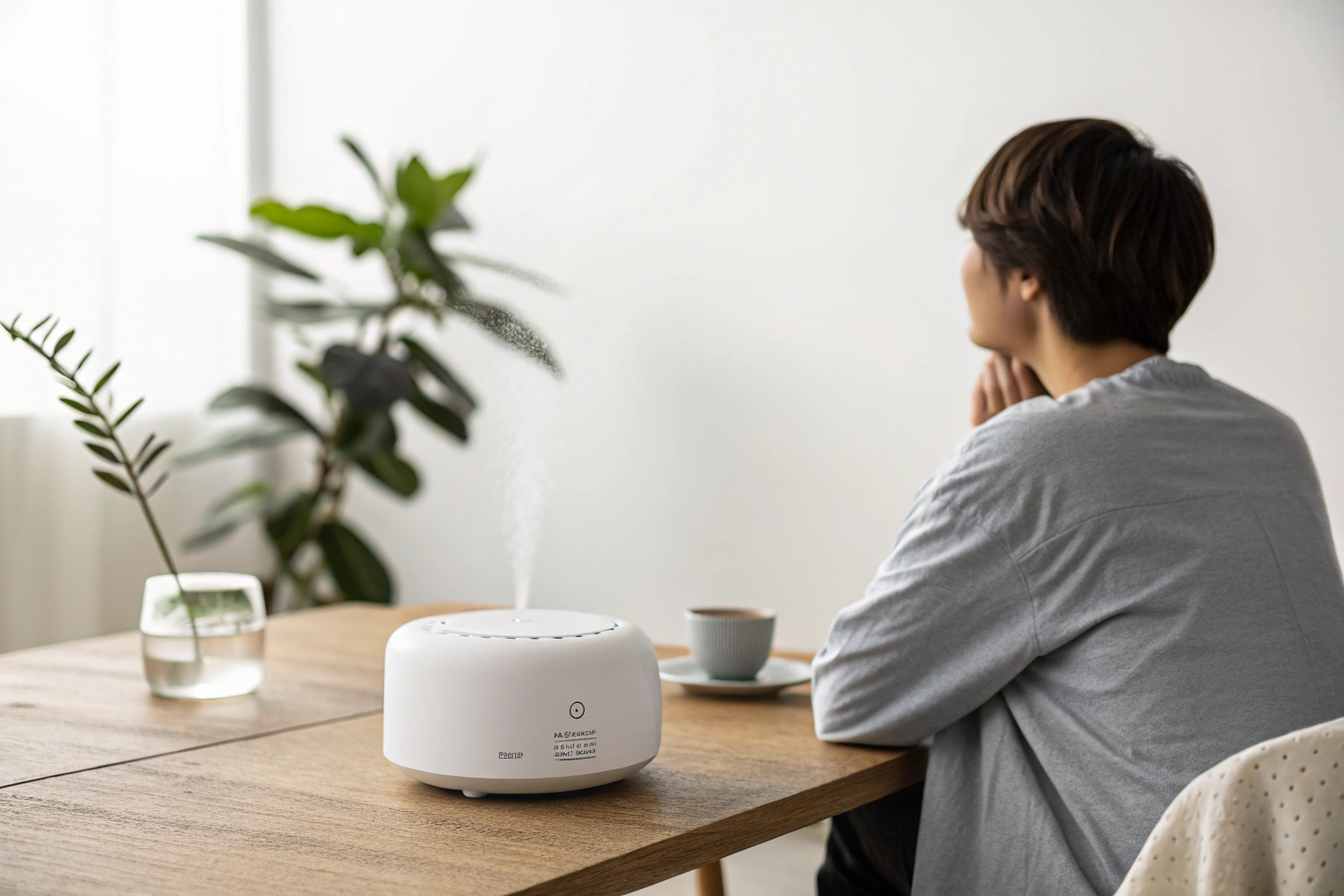
White noise creates a stable background sound that reduces environmental unpredictability. The brain receives fewer “alert” signals, which supports calm thinking.
By minimizing abrupt noise shifts, white noise helps the brain stay in a more neutral, non-reactive state.
| Effect Type | Description |
|---|---|
| Sensory reduction | Limits external cues that might trigger thought spirals |
| Mental buffering | Provides a neutral sound barrier against internal rumination |
| Focus anchoring | Supports concentration by maintaining a stable atmosphere |
When Is White Noise Most Effective for Mental Clarity?
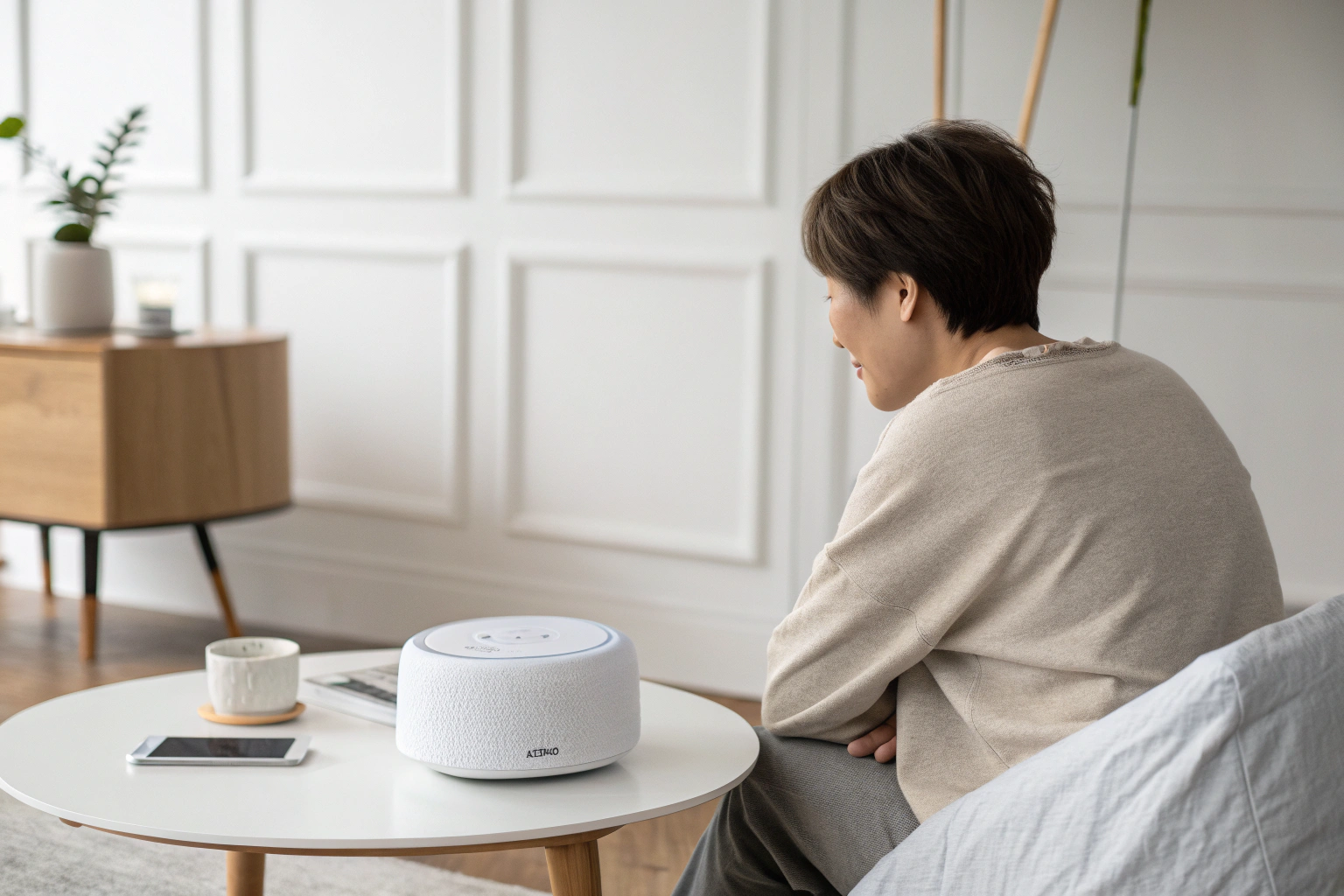
Timing and context matter. White noise is not a cure for anxiety, but it is a tool to improve mental state under the right conditions.
White noise is most helpful during tasks requiring focus, before sleep, or when trying to break repetitive thinking loops.
| Scenario | Benefit |
|---|---|
| Studying or working | Enhances concentration by blocking background distractions |
| Preparing for sleep | Reduces bedtime overthinking and delays in sleep onset |
| Stressful transitions | Eases mental shifts, such as returning from breaks or travel |
Which Sound Profiles Work Best for Mental Focus?
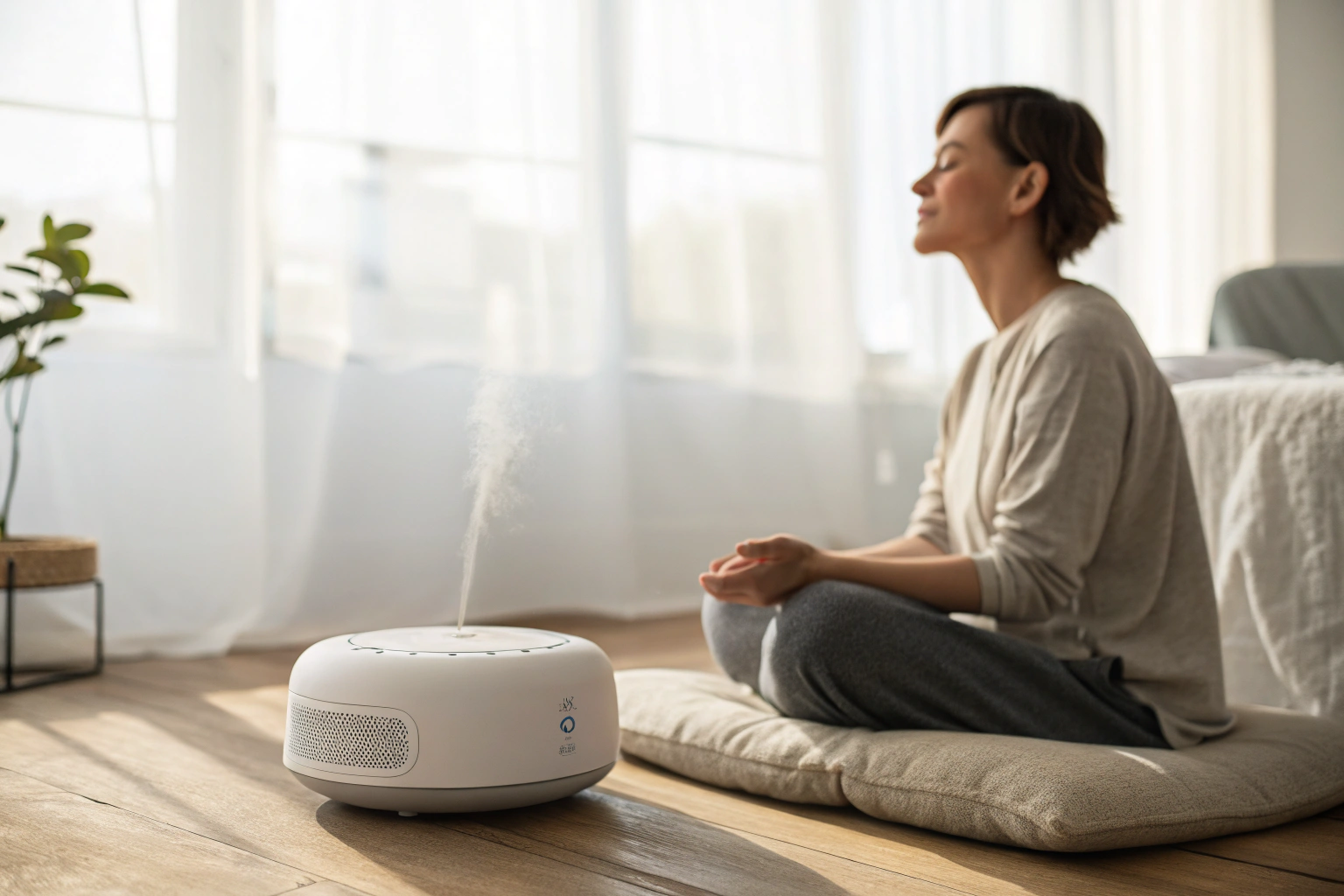
Not all sounds offer the same comfort. White noise is effective, but variations like pink or brown noise may feel smoother.
Pink and brown noise are often preferred for mental tasks due to their lower intensity in high frequencies.
| Sound Type | Characteristics | Best Use Case |
|---|---|---|
| White Noise | Equal energy across frequencies | Masking strong distractions |
| Pink Noise | Softer high end, more natural sound | Calming, long focus sessions |
| Brown Noise | Deep and bass-heavy | Soothing, good for rest or reading |
Why Manufacturing Quality Affects Mental Benefits?
Audio output quality impacts how the brain responds. Harsh or unstable sounds can cause fatigue or increase mental tension.
Well-engineered machines produce smooth, balanced output without distortion, which supports relaxation and extended focus.

| Design Feature | Mental Impact |
|---|---|
| Clean frequency response | Prevents harsh or jarring tones |
| Stable volume control | Avoids sudden changes that disrupt concentration |
| Consistent output | Maintains a continuous environment without interference |
| Profile presets | Allows user to match sound to personal comfort level |
Can White Noise Devices Be Customized for Cognitive Wellness?
Customized settings enhance usability across mental health applications. Adjustable sound design offers more precise control over emotional comfort.
Devices can be tailored with fade-in settings, task-specific timers, and mobile app support to suit different mental states.
| Customization Option | Cognitive Benefit |
|---|---|
| Fade-in mode | Reduces shock, eases transition into quiet focus |
| Session timer | Prevents overuse, aligns with work/rest cycles |
| Smart app control | Allows real-time tuning based on mood or setting |
| Adaptive profile memory | Recalls preferred settings for different tasks |
Conclusion
White noise helps reduce overthinking by masking distractions and creating a consistent auditory space. Its effectiveness depends on volume, sound profile, and playback quality.
As a factory experienced in audio wellness technology, every unit is built with attention to acoustic performance, safety, and smart user needs. Engineering includes frequency calibration, output stability, and custom control integration. Partners are welcome to visit the production site, test sound environments, and explore product adaptations for mental wellness, study, and productivity-focused markets.