

White noise can help many people sleep or focus better — but it’s not always the right solution for everyone. There are specific cases where long-term use may cause problems.
The downsides of white noise include potential hearing fatigue, dependency, sleep cycle disruption, and sensitivity to poor sound quality or volume settings.
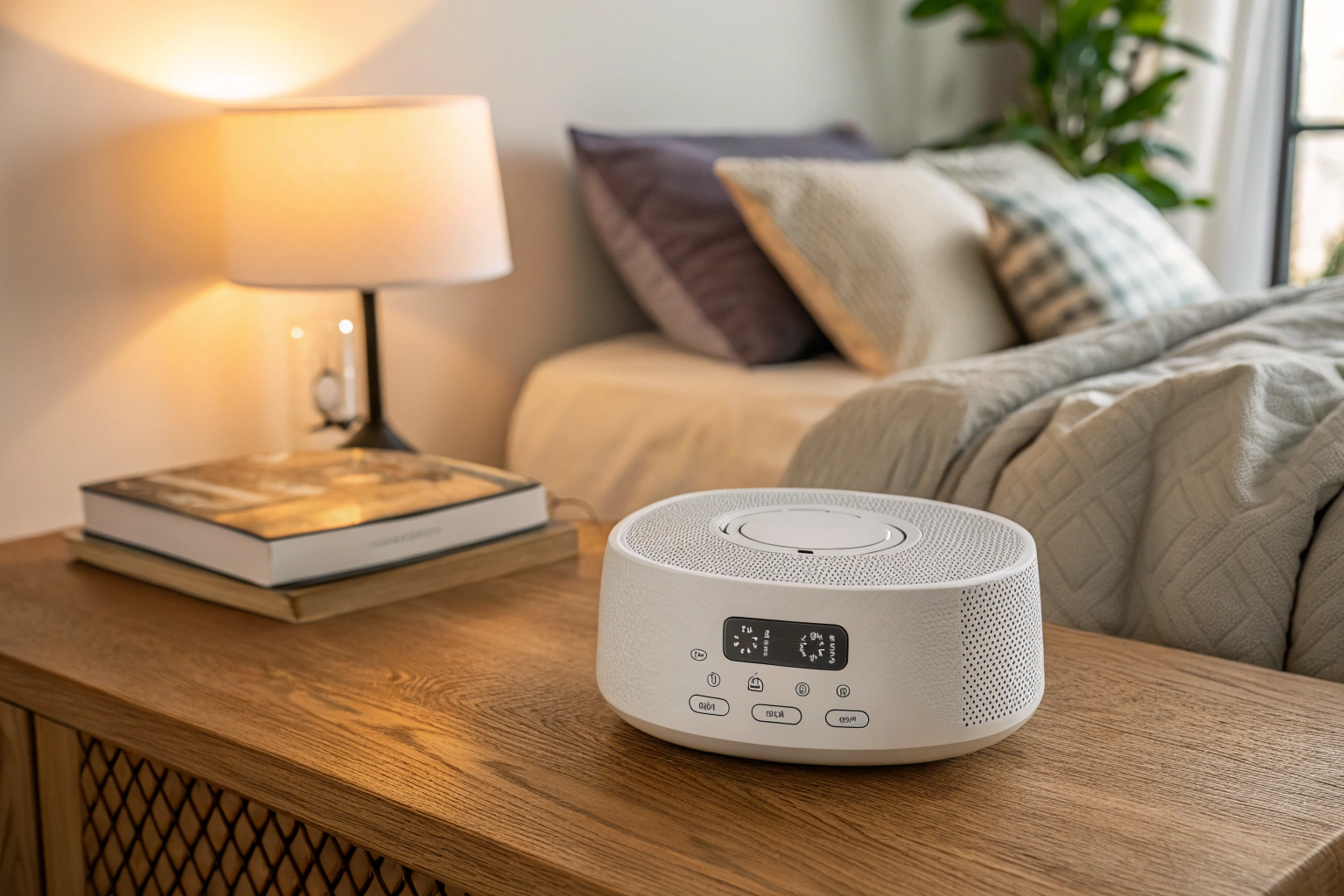
This article explores the most common risks, backed by acoustic and clinical insights, along with manufacturing-related causes that are often overlooked.
Can White Noise Disrupt Natural Sleep Cycles?
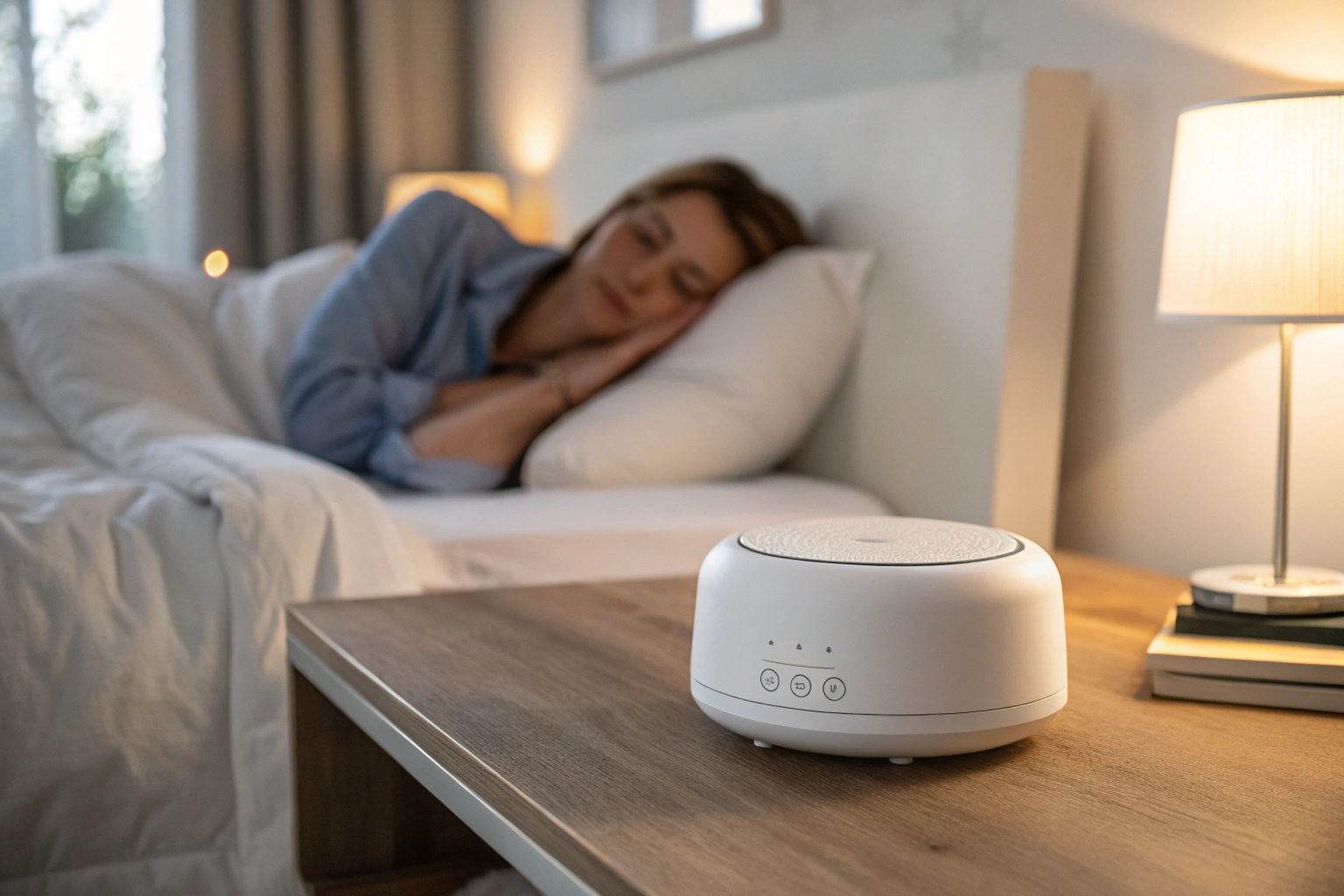
Some people find that white noise helps them fall asleep, but it might also interfere with deeper sleep stages if not used correctly.
Continuous background sound, especially with uneven frequencies, may interrupt REM sleep and reduce overall rest quality.
| Sleep Phase | Potential Impact from White Noise |
|---|---|
| Light sleep | May extend duration if sound is too sharp or loud |
| Deep sleep (NREM) | Sudden shifts in tone may cause micro-awakenings |
| REM cycle | Harsh frequencies can break dream cycles or limit duration |
This is more likely with low-quality machines or improperly adjusted volume.
Is There a Risk of Becoming Dependent on White Noise?
Over time, the brain may come to rely on white noise to fall asleep or concentrate.
Using white noise daily can create psychological or behavioral dependency, making silence uncomfortable.
| Dependency Sign | Description |
|---|---|
| Trouble sleeping in quiet | Sleep becomes difficult without machine |
| Reliance in travel | Stressful rest in hotels or new environments |
| Children sleep routines | Can make natural transitions harder if used excessively |
Sleep experts often recommend using timers or alternating noise days to prevent over-reliance.
Can White Noise Cause Hearing Problems?

White noise is safe at low levels. But if played too loud or too close, especially with headphones or near infants, it can cause auditory stress.
High volume or incorrect placement may lead to ear fatigue, discomfort, or long-term strain.
| Risk Factor | Impact on Listener |
|---|---|
| Volume over 50–60 dB | Long exposure increases fatigue risk |
| High-pitched frequencies | More irritating and harder to adapt to |
| Close proximity use | Increases direct sound pressure |
All machines should support fine volume control and safe sound curves, especially for night use.
Can Low-Quality Machines Make It Worse?
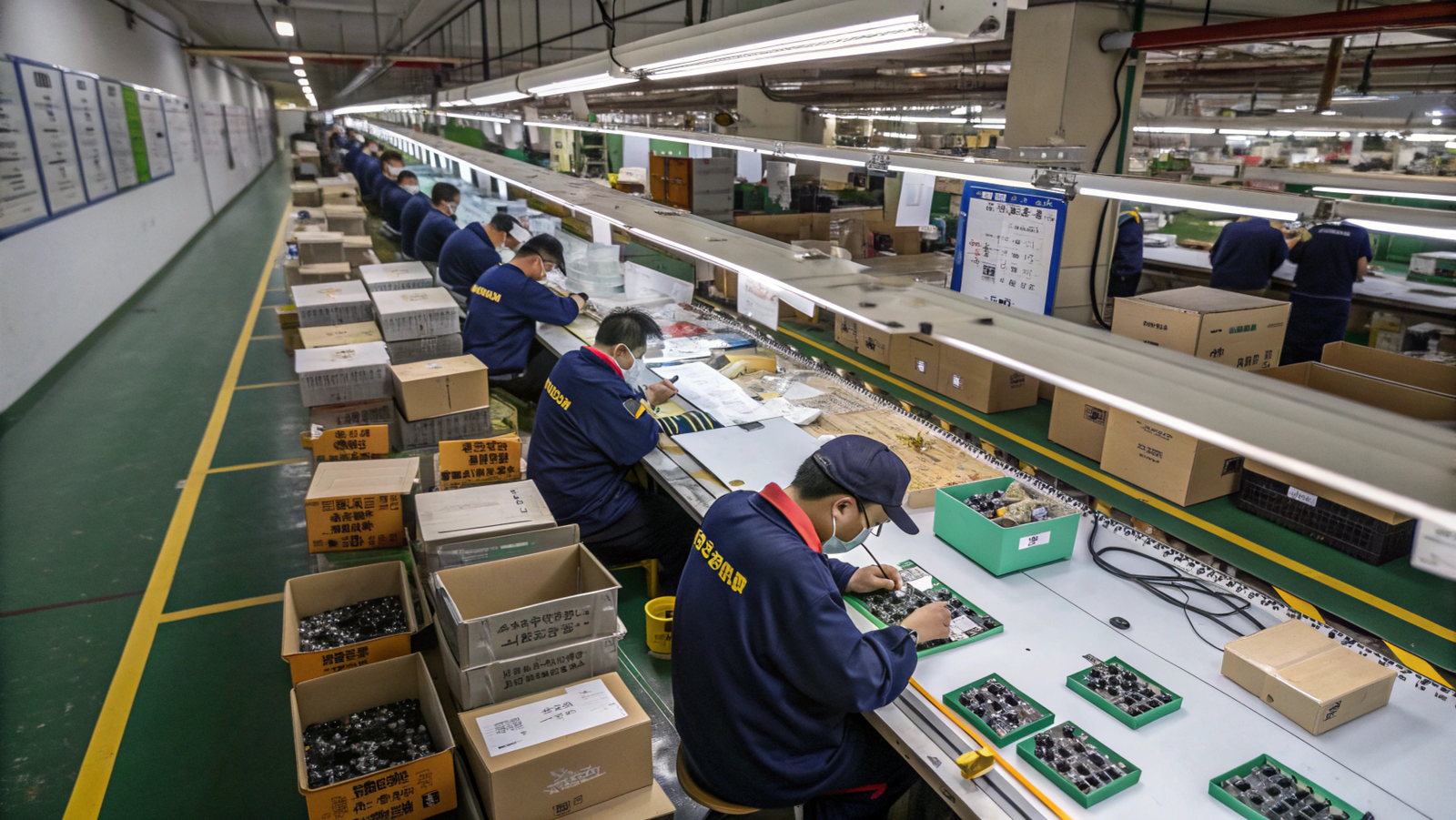
Not all white noise machines are made equal. Poor hardware design can introduce problems like distortion, looping, or sudden frequency shifts.
Machines with cheap speakers or compressed audio loops often produce sharp or inconsistent sound, which disrupts instead of calms.
| Poor Design Issue | Resulting Problem |
|---|---|
| Audio looping | Creates detectable rhythm, breaks concentration or sleep |
| Frequency spikes | Mimics musical patterns or phantom sounds |
| Electrical hum or hiss | Adds unpleasant background tension |
| No safety certifications | May lack insulation or consistent output controls |
We test each machine with calibrated instruments and simulate long-hour use in lab conditions to eliminate these issues before shipment.
Who Should Be Careful When Using White Noise?
Some users are more sensitive to sound changes, or have medical or neurological conditions that make white noise less suitable.
People with tinnitus, sensory sensitivities, or hearing aids may find white noise more irritating than relaxing.
| Sensitive Group | Recommended Precaution |
|---|---|
| Tinnitus patients | Try pink or brown noise instead of high static |
| Babies and toddlers | Keep machine over 2 meters away, at low volume |
| Seniors with aids | Avoid frequencies that may clash with amplification |
| People with anxiety | Avoid harsh or repetitive sound loops |
Sound type, volume, and placement are all key factors to control.
Conclusion
White noise can be helpful, but it's not risk-free. Overuse, poor quality, or excessive volume can lead to sleep disruption, dependency, or hearing strain. Proper use and well-designed machines greatly reduce these issues.
As a manufacturer, we focus on building machines with soft acoustic profiles, low interference circuits, and durable sound drivers — designed for safe long-term use. You're welcome to contact us or visit our factory if you need professional-grade white noise solutions tailored to specific user groups or markets.