

Some people need white noise every night to fall asleep — but what does that say about their sleep habits?
If you can’t sleep without white noise, it may mean your brain has formed a sleep association, or you’ve become dependent on sound to block environmental noise or manage mental overstimulation.
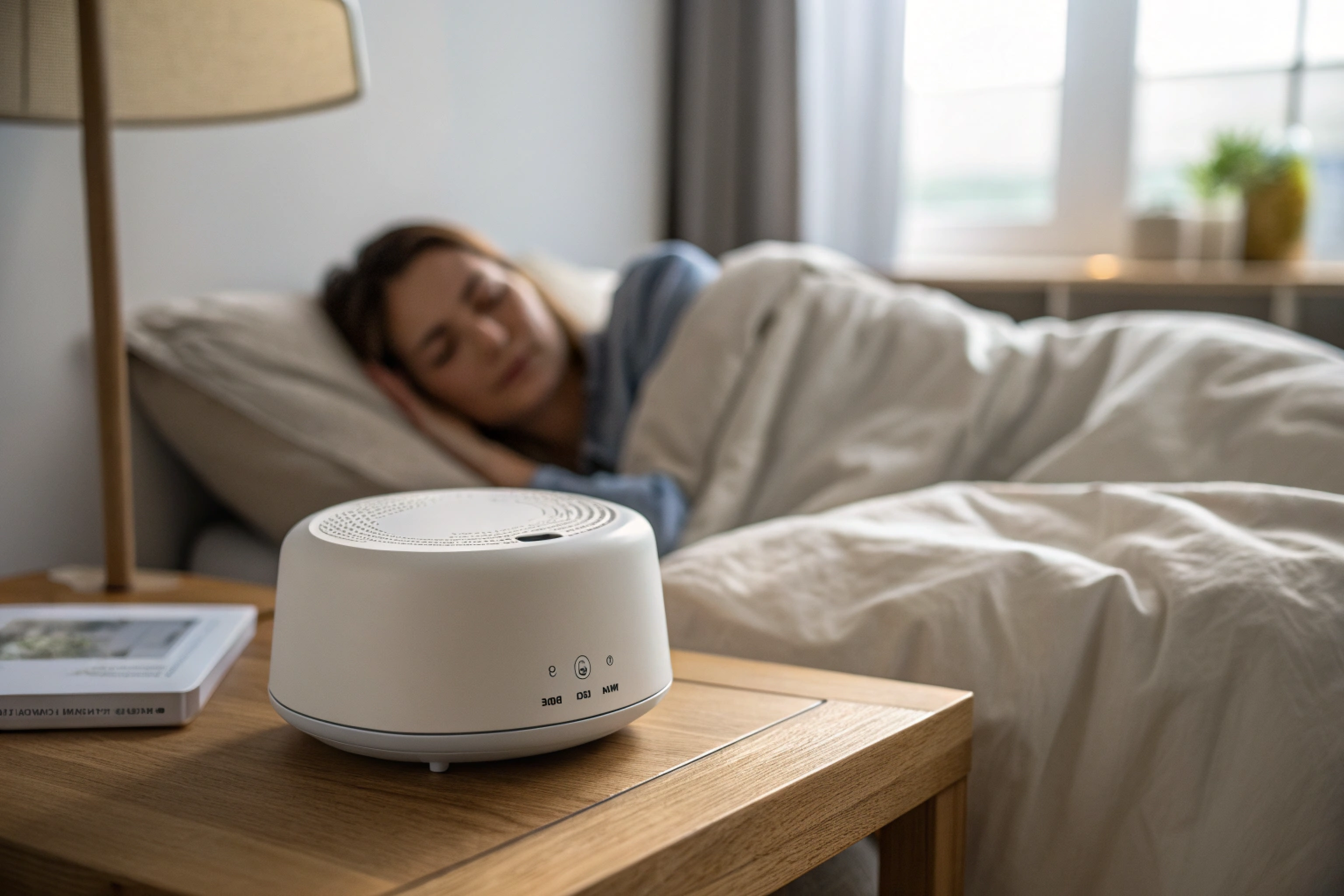
This article looks at why white noise becomes a sleep necessity, how sound associations form, and what safe, manufacturer-designed features can help prevent over-reliance.
Why Do People Become Dependent on White Noise?
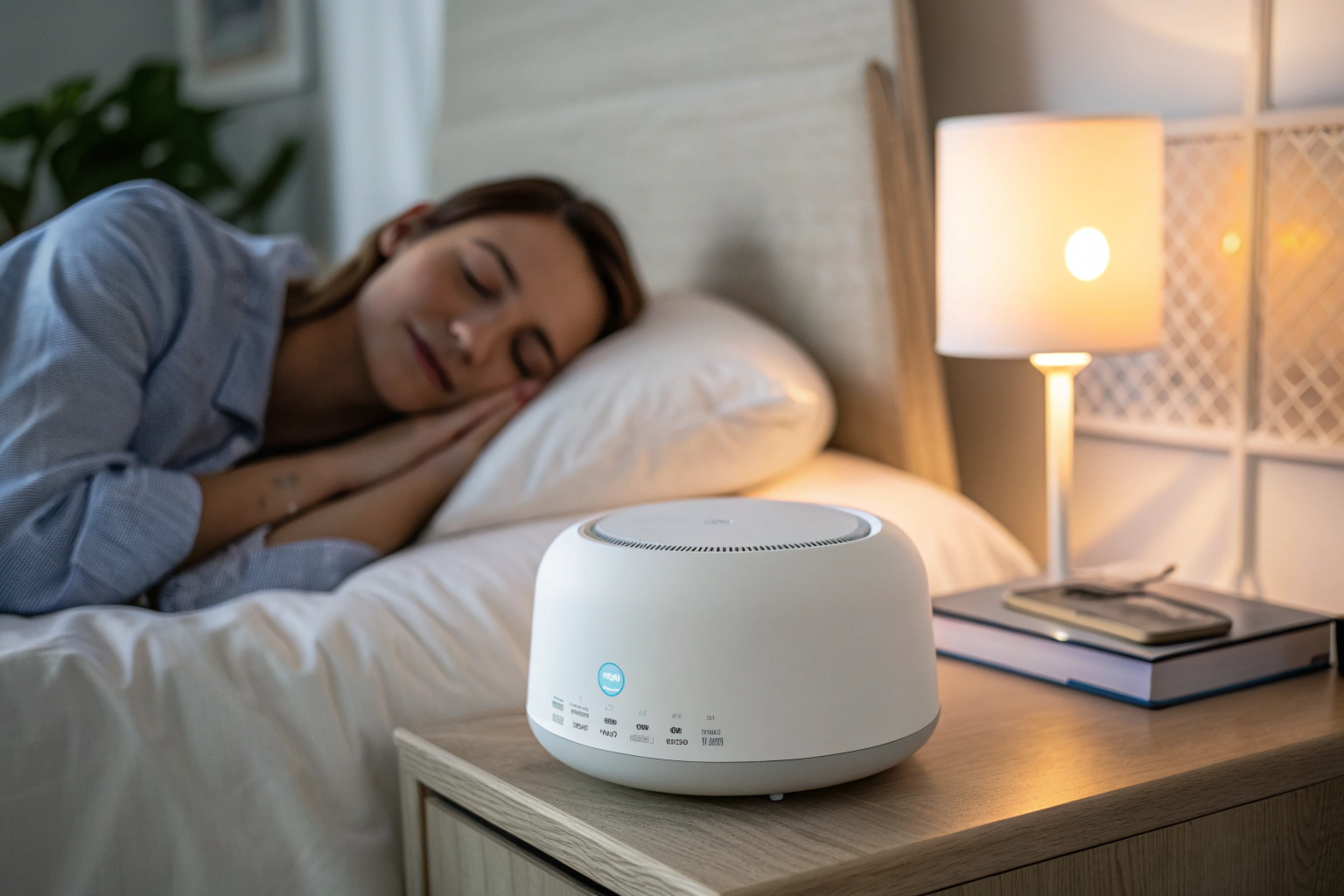
The brain links white noise with sleep when it's used consistently. This creates a cue — like a mental switch — that triggers rest.
Over time, your brain may treat white noise as a required part of your sleep routine, making it harder to fall asleep without it.
| Cause of Dependence | Description |
|---|---|
| Habitual use | Brain connects sound with bedtime routine |
| Environmental masking need | User relies on it to block noise |
| Mental relaxation aid | Helps stop racing thoughts before sleep |
Our machines are built with gradual fade-out modes to prevent long-term audio reliance.
Is White Noise Addiction Harmful?
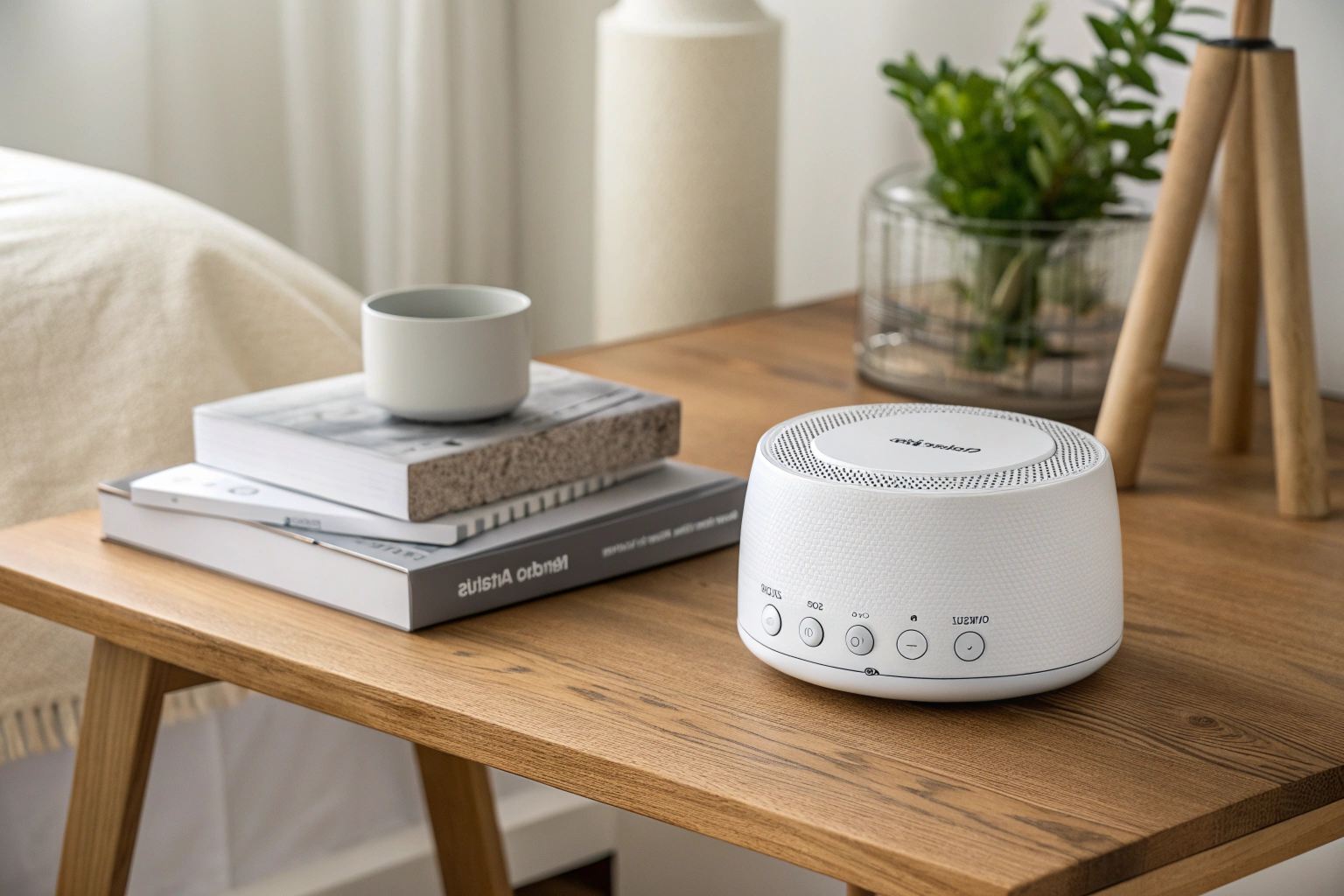
Not exactly — but full dependence may limit sleep flexibility. For example, if you're traveling or in a quiet environment without the device.
While white noise isn’t addictive like a substance, needing it every night can interfere with adaptability and sleep independence.
| Potential Issue | Result |
|---|---|
| Can't sleep without it | Stress or insomnia while traveling |
| Limited sleep cues | Reduced ability to sleep in silence |
| Overreliance | Disruption if power or device fails |
We include power-fail memory and long-lasting battery backup features to reduce sleep disruption risks.
How Can You Wean Off White Noise?
The key is gradual reduction. Lower the volume or switch to shorter durations each night until you're no longer reliant.
You can also replace white noise with softer, more natural sounds or incorporate other bedtime routines like dim lighting or calm music.
| Step | Weaning Method |
|---|---|
| Lower volume | Reduce by 5 dB each week |
| Use fade-out timers | Set shorter playback gradually |
| Switch to pink/brown noise | Less stimulating alternatives |
| Add non-audio routines | Reading, stretching, breathing exercises |
Our machines feature adjustable sound profiles and smart timers to support the transition.
When Is It Okay to Keep Using White Noise Long-Term?

If it helps you sleep, doesn’t interfere with sleep stages, and is used safely, white noise can be a permanent part of your sleep environment.
Long-term use is fine when volume is controlled, and sound quality is smooth and well-balanced.
| Safe Long-Term Use Conditions | Device Feature That Supports It |
|---|---|
| Low volume (under 50 dB) | Volume-limited playback |
| Stable sound without sharp tones | Precision-calibrated audio drivers |
| Smart playback controls | Built-in timers and fade-out options |
We design products for safe extended use and build devices that suit both short-term aid and lifelong routine.
Conclusion
If you can’t sleep without white noise, it’s likely your brain has built a routine around it. While this isn't dangerous, long-term use should be managed carefully to avoid total dependency.
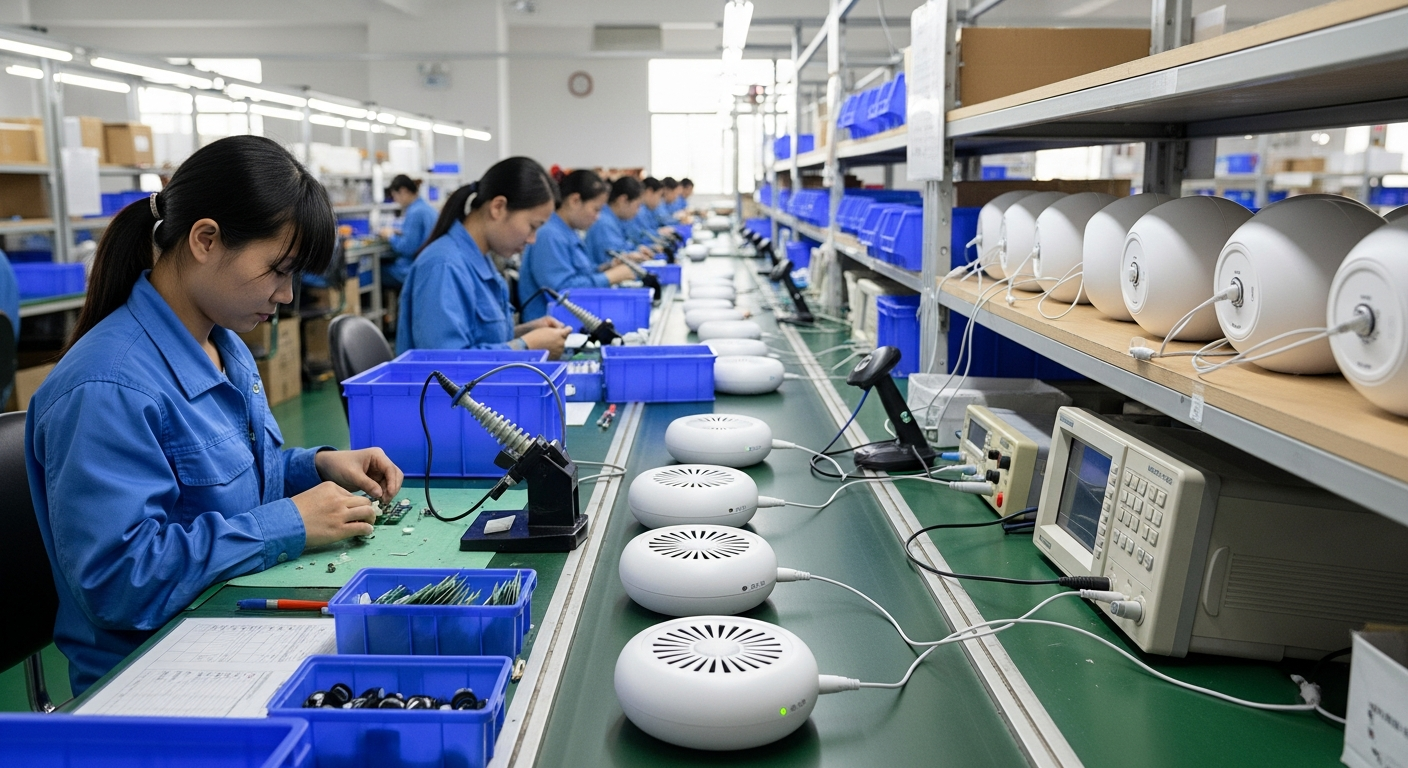
Our factory designs sound machines with weaning features, fade-out options, and smart sound engineering for safe, flexible use. You're welcome to explore our production lines or discuss custom solutions that support both new users and long-term white noise sleepers.