

White noise can be helpful in early childhood — but should it be used forever?
Most experts recommend gradually phasing out white noise between 12 and 24 months, once a child has developed consistent sleep habits and no longer needs external soothing.
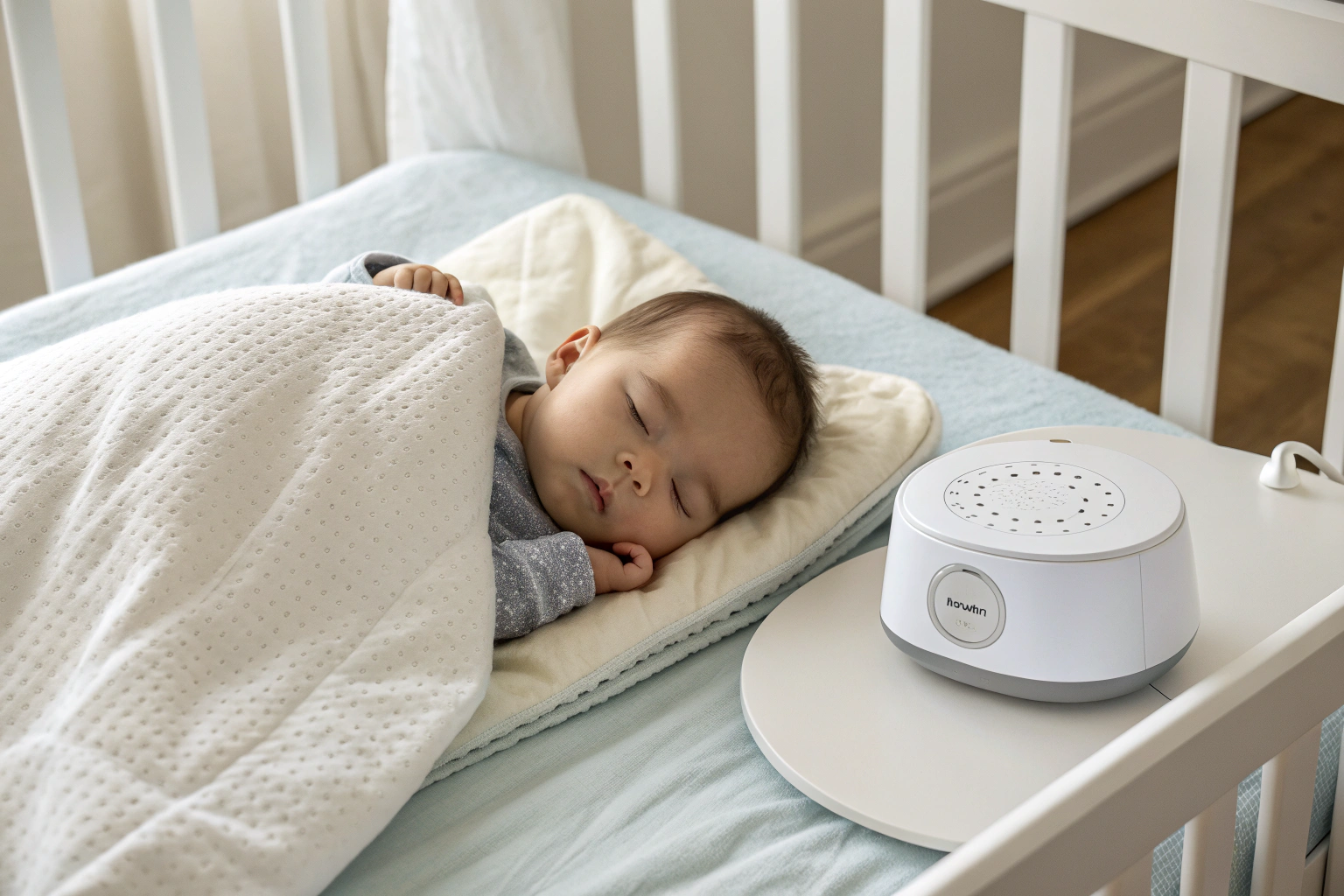
This article explains when and how to stop using white noise, why some children outgrow it faster than others, and how manufacturers build sleep machines to support healthy transitions.
Why Do Babies Use White Noise in the First Place?
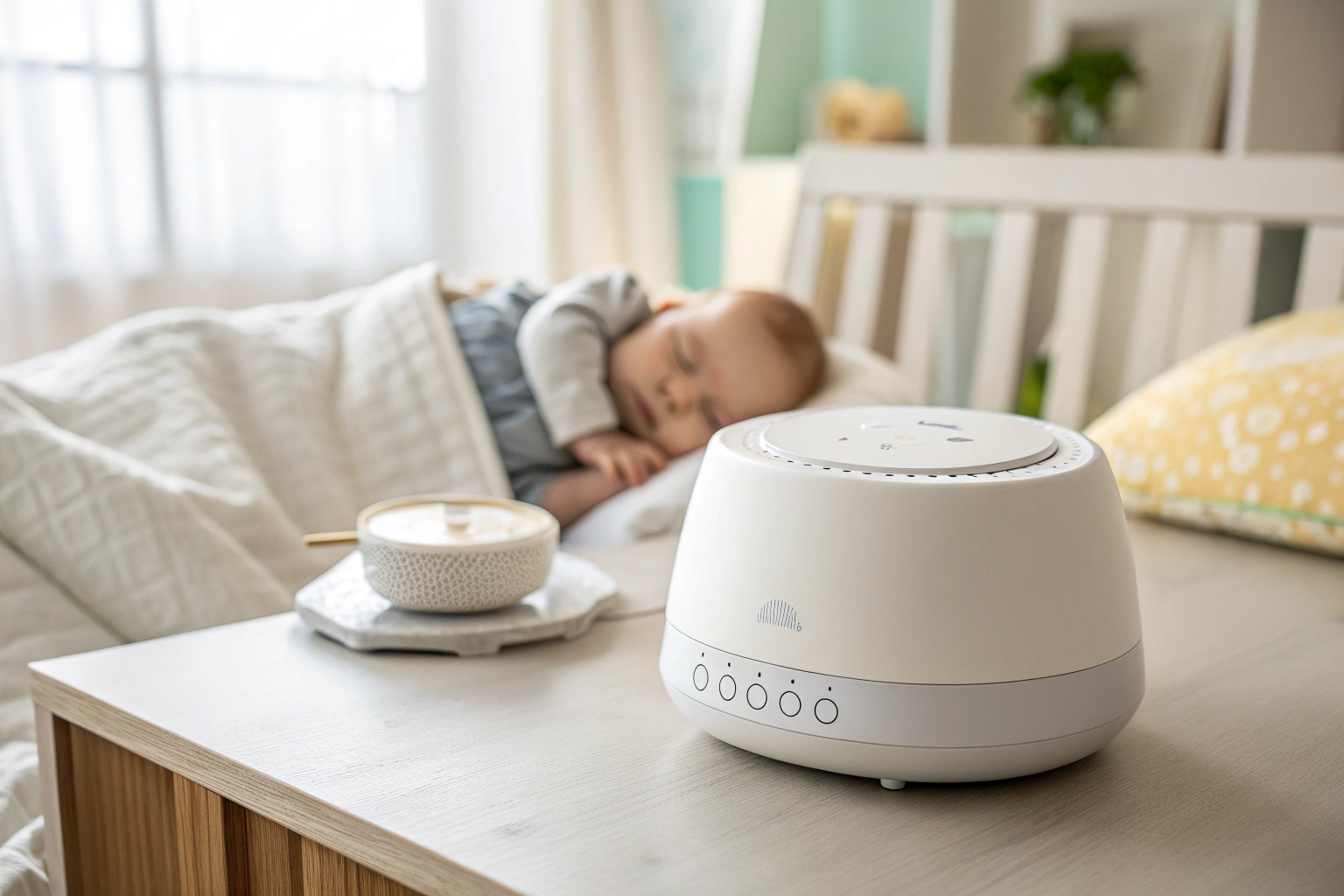
White noise mimics the womb’s sound environment. It helps newborns fall asleep by blocking sudden noise and creating a calming atmosphere.
It’s especially useful during the fourth trimester when babies are adjusting to life outside the womb.
| Age Group | Role of White Noise |
|---|---|
| 0–3 months | Helps soothe and initiate sleep |
| 3–12 months | Promotes sleep association and routine |
| 12–24 months | Becomes optional for independent sleepers |
We offer baby-safe machines with volume-limited output and soft sound profiles, tested for infant hearing safety.
What Are Signs a Child No Longer Needs White Noise?
If a toddler sleeps through the night in silence, doesn’t wake from environmental noise, or resists the machine, it may be time to stop.
Healthy sleep without white noise shows that the child has learned to self-soothe.
| Sign of Readiness | What It Means |
|---|---|
| Sleeps without assistance | No longer relies on background sound |
| Ignores the white noise | No longer finds it soothing |
| Disrupted by machine sounds | Machine may now cause more harm than help |
Our products include timer and fade-out functions to ease the transition gently over several weeks.
How Should Parents Wean Off White Noise?
Start by lowering the volume gradually, then reduce how long it plays each night. After a few weeks, try sleeping without it altogether.
This gentle weaning approach prevents sudden change and allows the child to adapt smoothly.
| Step | Purpose |
|---|---|
| Lower volume weekly | Reduces reliance without shock |
| Use a fade-out timer | Mimics natural quiet as baby falls asleep |
| Skip one night per week | Tests readiness for sound-free sleep |
We design machines with flexible scheduling features and ultra-quiet final fade-outs to help this process.
Can White Noise Be Harmful If Used Too Long?

If used too loudly or for too many years, children may become overly dependent or experience disrupted auditory development.
There’s no harm in occasional use beyond age 2 — but continuous exposure at high volume can create sleep crutches or reduce sound awareness.
| Potential Risk | How to Prevent It |
|---|---|
| Sound dependency | Wean off with timers and breaks |
| Missed natural sounds | Allow periods of silence at bedtime |
| Hearing stress | Use under 50 dB and maintain distance |
Our infant-safe machines are certified under CE, RoHS, and meet pediatric noise exposure guidelines.
Conclusion
The ideal age to stop using white noise is between 12 and 24 months, depending on your child’s sleep development. Phasing it out gradually ensures an easy transition to independent sleep.
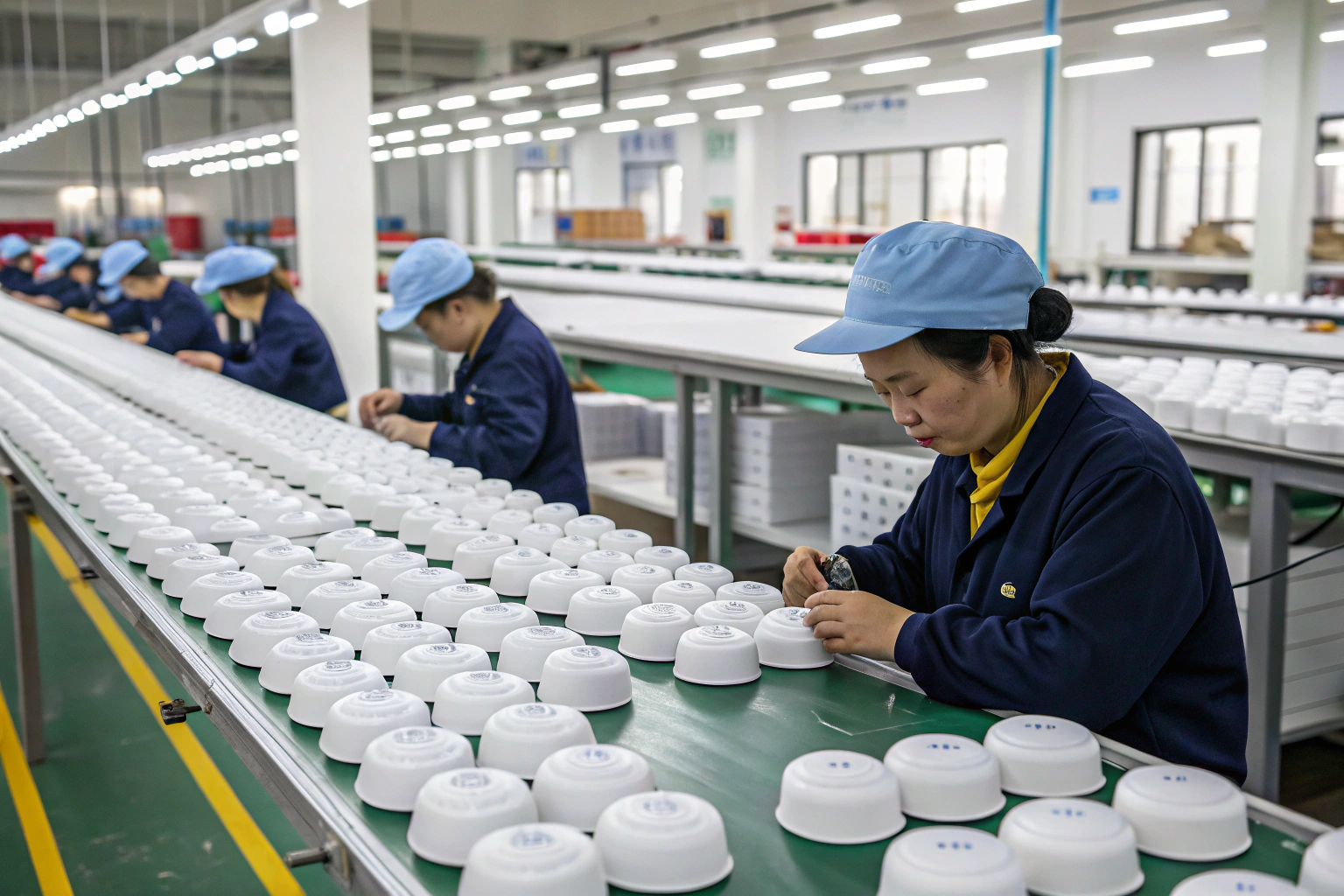
We manufacture white noise machines with infant-specific safety features, adjustable settings, and smart timers — built to grow with your child. For private label inquiries or factory visits, please contact us directly.