

White noise is known for helping people sleep, especially babies. But when is the right time to introduce it?
You can start using white noise from birth, as newborns find comfort in sounds that mimic the womb environment.
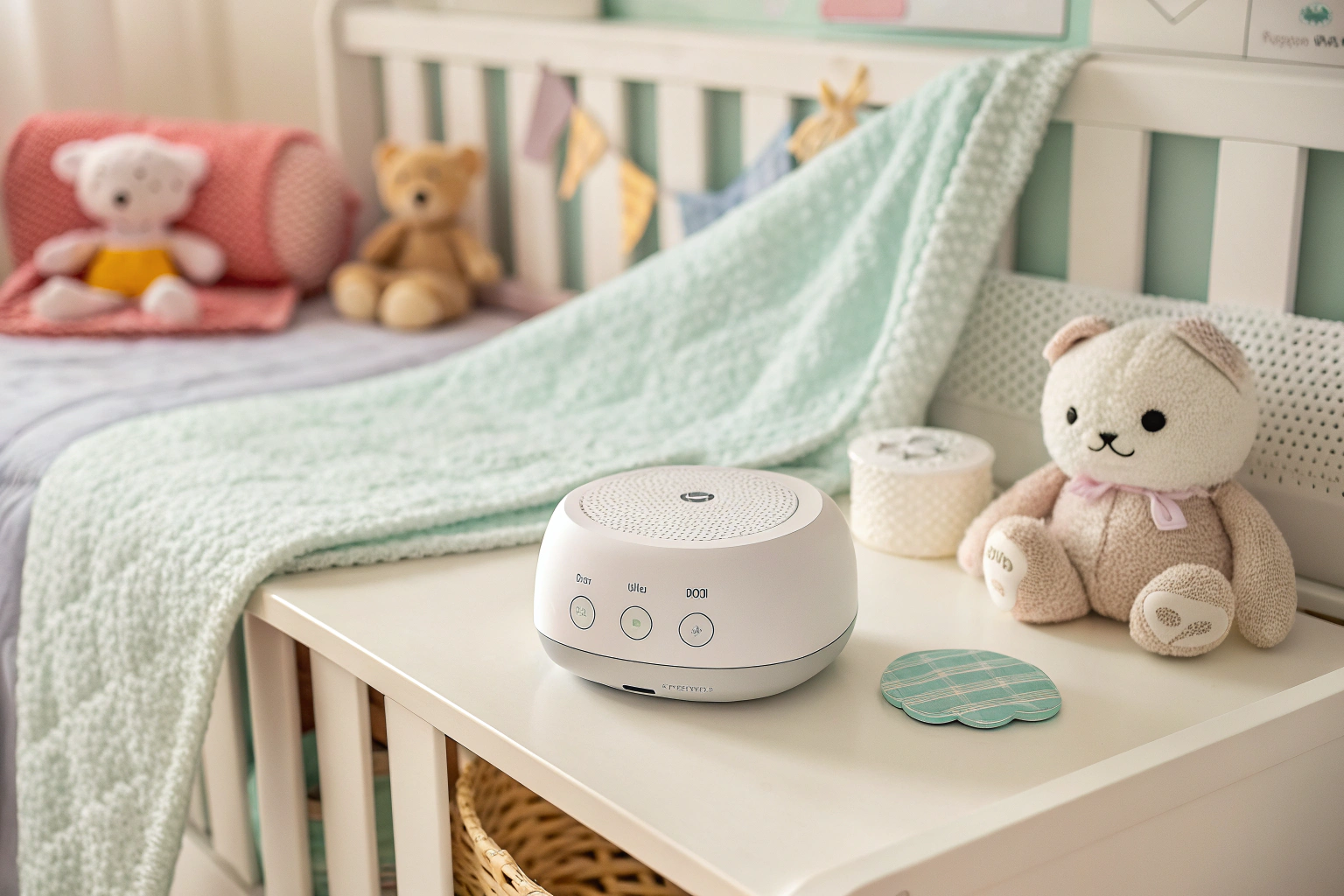
This article explains when to introduce white noise, how it supports early sleep habits, and how manufacturers design machines suitable from the newborn stage onward.
Why Does White Noise Work So Well for Newborns?
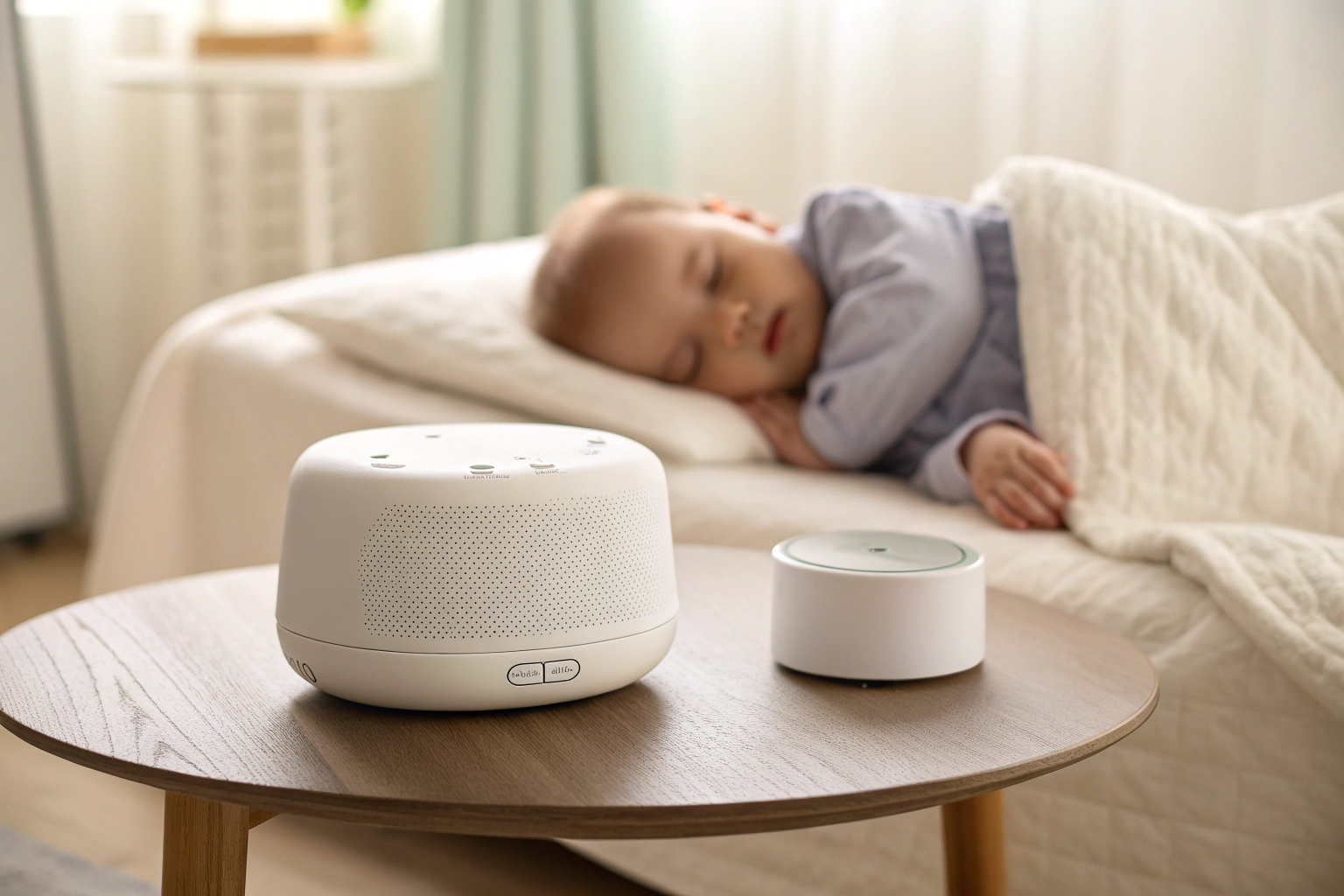
Inside the womb, babies are constantly surrounded by low-frequency sounds — blood flow, heartbeat, and voice vibrations.
White noise mimics that sound environment, which helps newborns feel safe and sleep longer.
| Age Stage | Sleep Benefit From White Noise |
|---|---|
| 0–3 months | Soothes crying, supports longer naps |
| 3–6 months | Aids in sleep transitions and sleep training |
| 6–12 months | Becomes part of bedtime routine, blocks noise |
Our baby-safe machines include preset volume caps and sound curves tailored for newborn hearing sensitivity.
Is It Safe to Use White Noise Right After Birth?
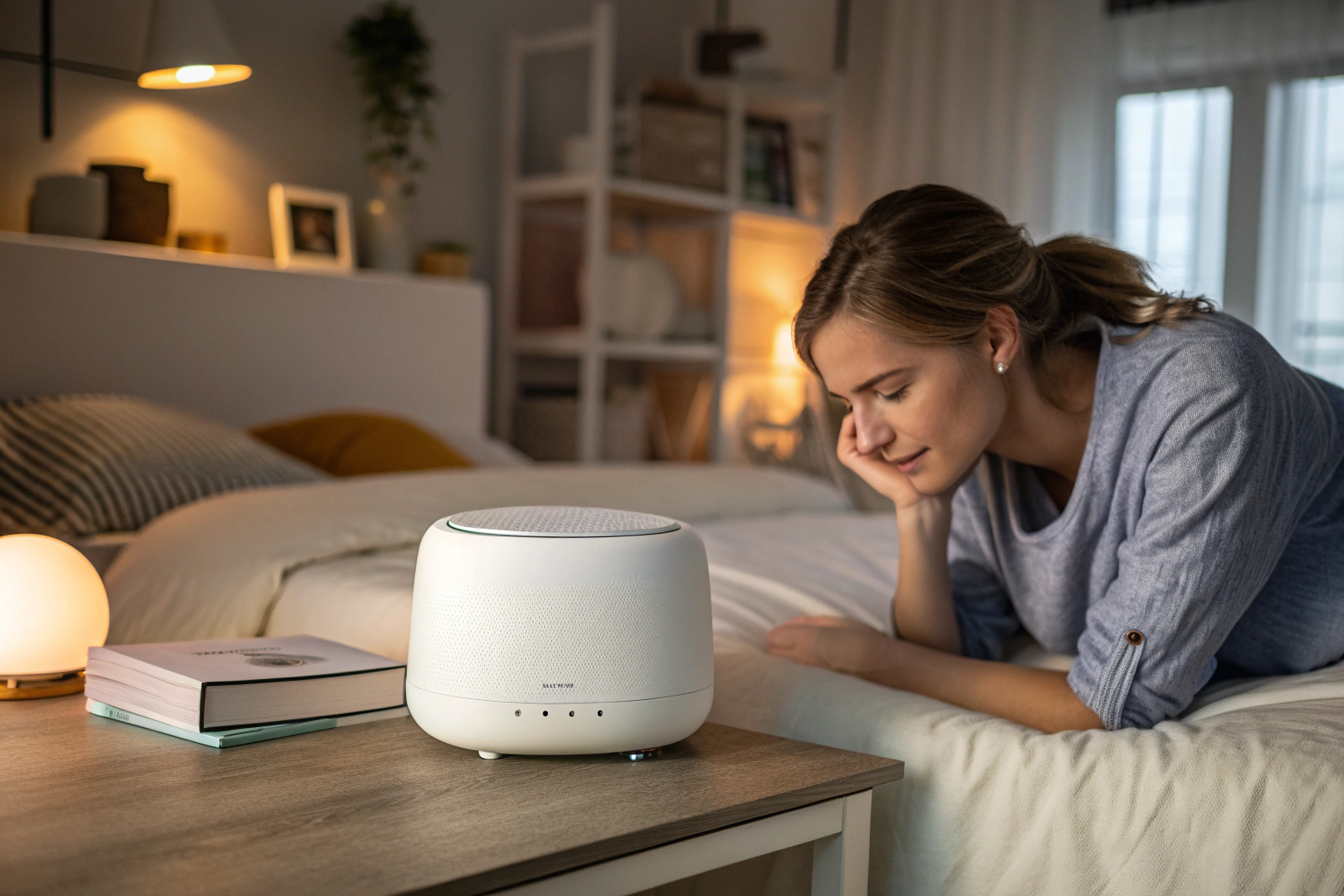
Yes — as long as it’s used correctly. The main concerns are volume and distance from the baby.
The recommended volume is under 50 dB, and the machine should be placed at least 1 meter away from the crib.
| Safety Tip | Recommendation |
|---|---|
| Volume level | Keep under 50 dB |
| Distance from baby | Place at least 1 meter away |
| Type of sound | Use soft, low-frequency sounds like pink noise |
| Duration | Use with timer or fade-out mode |
All our machines go through acoustic safety testing and are built with child-friendly components.
Can White Noise Be Used During the Day?
Yes. White noise isn’t just for nighttime — it can help with daytime naps or calming during fussy periods.
It creates a predictable background that drowns out household noise and helps babies nap more deeply.
| Use Case | Suggested Sound Setting |
|---|---|
| Daytime naps | Short-duration pink or brown noise |
| Fussy periods | Moderate white noise for 10–15 minutes |
| Feeding or winding down | Low-volume nature sounds |
We design portable units that can be used throughout the day, with rechargeable batteries and adjustable sound modes.
When Should You Stop Using White Noise?
Most sleep consultants suggest phasing out white noise between 12 and 24 months.
As babies grow and learn to self-soothe, the need for continuous sound decreases.
| Child Age | Recommended Use Practice |
|---|---|
| 0–12 months | Consistent use during sleep |
| 12–18 months | Start using timers or fade-out |
| 24 months+ | Replace with quieter bedtime cues if needed |
Our machines include weaning-friendly features like auto-off timers and adjustable fade-outs for smoother transitions.
Conclusion
White noise can be introduced from birth and supports sleep by mimicking the womb’s comforting sounds. With proper volume control and safe distance, it becomes a useful tool for better rest — day and night.
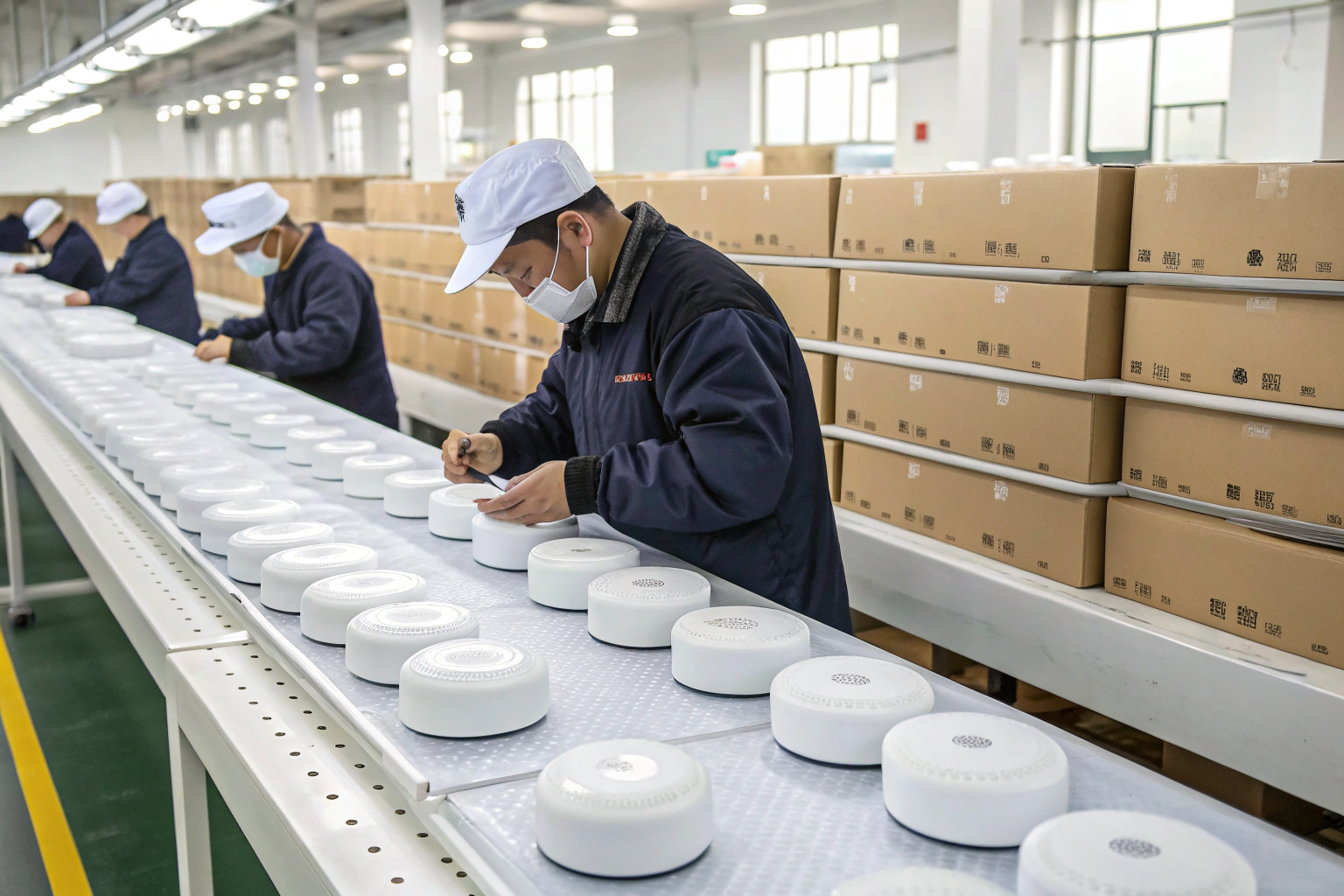
We manufacture white noise machines specifically tuned for infant safety and sleep development, using tested acoustic materials and custom sound profiles. You're welcome to visit our factory or explore options for tailored baby-care product lines.